


Creatine 101: Your Complete Guide to Supplementing

Get personalised recommendations with our assessment.
Personalised Health Diagnosis (PHD)
Creatine stands as one of the most researched and effective supplements in the fitness world, yet confusion surrounds its proper use. From loading protocols to timing strategies, the supplement industry has created unnecessary complexity around what should be straightforward. The truth? Creatine supplementation doesn't require elaborate rituals or expensive formulations. Understanding the science behind optimal dosing, timing, and absorption can transform your workout performance and muscle growth potential. Let's cut through the noise and establish evidence-based protocols that actually work.
Creatine functions as your muscles' rapid energy currency, specifically fueling the phosphocreatine system that powers explosive movements. Your body naturally produces about 1-2 grams daily, primarily in the liver, kidneys, and pancreas. However, this endogenous production falls short of what's needed for peak athletic performance.
During high-intensity exercise, your muscles burn through ATP (adenosine triphosphate) within seconds. Creatine supplementation replenishes these energy stores rapidly, allowing you to maintain power output across multiple sets. This mechanism directly translates to enhanced strength, improved workout volume, and accelerated muscle growth.
Research consistently demonstrates that creatine for muscle growth extends beyond immediate performance benefits. The supplement increases intracellular water retention, creating an anabolic environment that promotes protein synthesis. Additionally, creatine reduces exercise-induced muscle damage and inflammation, supporting faster recovery between training sessions.
The supplement market offers numerous creatine variants, each claiming superior absorption or effectiveness. However, decades of research point to one clear winner: creatine monohydrate. This form remains the gold standard due to its extensive research backing, proven efficacy, and cost-effectiveness.
Creatine monohydrate contains approximately 88% pure creatine by weight, with the remaining 12% consisting of water molecules. This form has been used in virtually every positive creatine study, establishing its safety and effectiveness profile. The supplement demonstrates excellent stability, long shelf life, and consistent bioavailability.
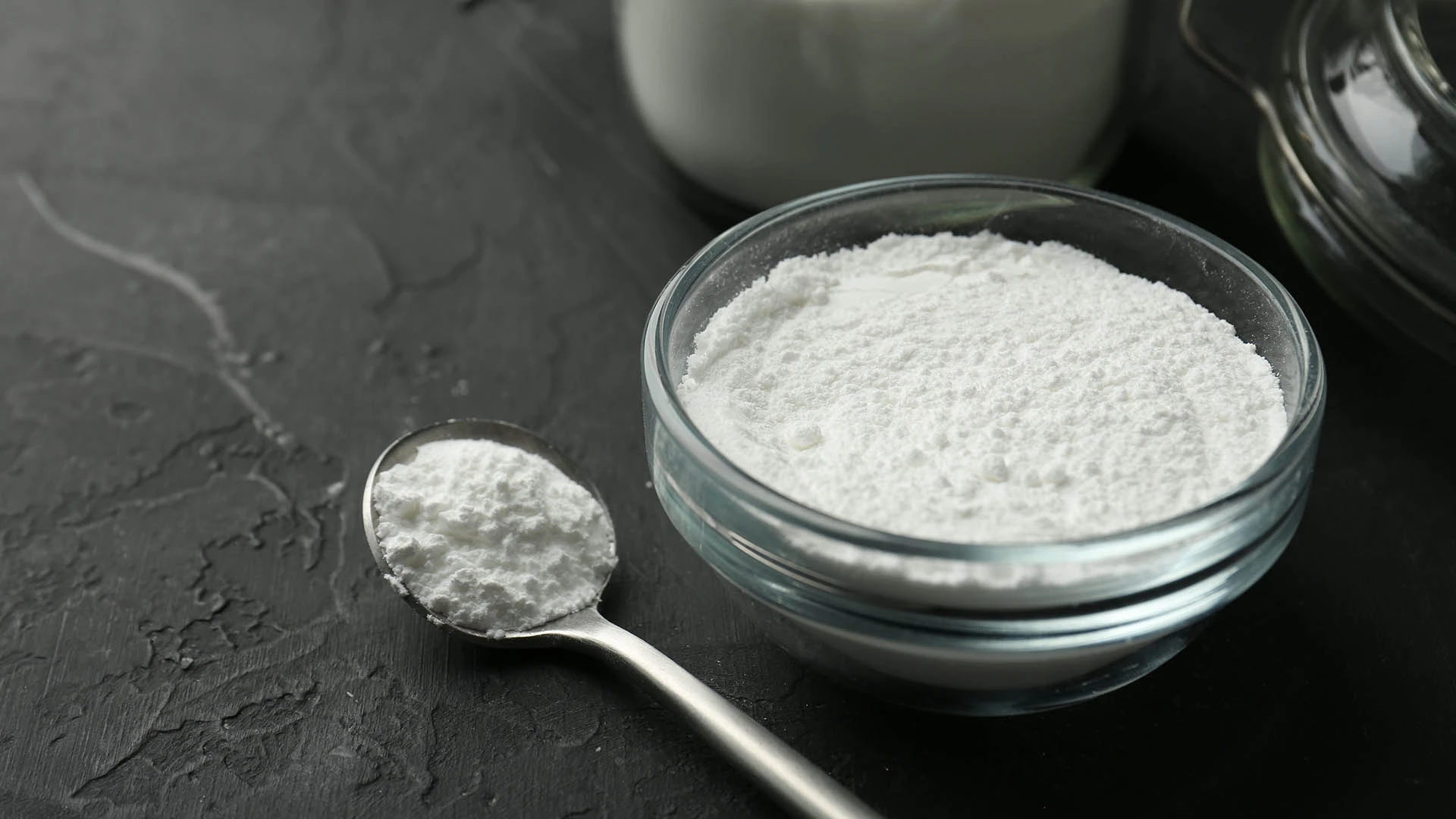
Creatine HCl, buffered creatine, and liquid formulations promise enhanced absorption or reduced side effects. However, peer-reviewed research fails to demonstrate significant advantages over monohydrate. These alternatives often cost 3-5 times more while delivering comparable results. Creatine powder in monohydrate form remains the most practical and economical choice for most users.
Two primary dosing strategies dominate creatine supplementation: the traditional loading protocol and the steady-dose approach. Both methods achieve muscle saturation, differing only in timeline and initial commitment.
The creatine loading phase involves consuming 20 grams daily, divided into four 5-gram doses, for 5-7 days. This approach rapidly saturates muscle creatine stores, with benefits typically appearing within one week. Following the loading phase, users transition to a maintenance dose of 3-5 grams daily.
Skipping the loading phase and consuming 3-5 grams daily from the start achieves identical muscle saturation within 3-4 weeks. This approach reduces the risk of digestive discomfort and eliminates the need for precise timing of multiple daily doses. For most users, this method proves more sustainable and equally effective. Body weight influences optimal creatine dosage during loading phases. The standard recommendation of 0.3 grams per kilogram of body weight provides personalized dosing. A 70-kilogram individual would consume approximately 21 grams during loading, while a 90-kilogram person might require 27 grams.
The question of creatine timing generates significant debate among fitness enthusiasts and researchers. While some studies suggest slight advantages to specific timing windows, the evidence remains mixed and the practical differences minimal. Post-workout consumption may offer marginal benefits due to enhanced insulin sensitivity and increased muscle blood flow. The post-exercise window creates favorable conditions for creatine uptake, particularly when combined with carbohydrates. However, these advantages appear modest compared to the importance of consistent daily intake.
Daily consistency matters far more than precise timing for achieving optimal results. Missing doses creates gaps in muscle saturation that timing optimization cannot overcome. The best way to take creatine prioritizes adherence to daily supplementation over complex timing protocols. Pre-workout timing offers no significant advantages since creatine requires several days to weeks for muscle saturation. Unlike caffeine or other acute performance enhancers, creatine's benefits stem from chronic supplementation rather than immediate pre-exercise consumption.
Creatine absorption improves when combined with simple carbohydrates that stimulate insulin release. Insulin acts as a transport mechanism, shuttling creatine into muscle cells more efficiently than water alone.
Combining creatine with 30-50 grams of simple carbohydrates maximizes uptake without excessive caloric intake. Grape juice, sports drinks, or even a banana provide sufficient carbohydrate content for enhanced absorption. The insulin response created by these combinations can increase creatine uptake by 25-30%. Water temperature affects dissolution but not absorption. Room temperature or slightly warm water dissolves creatine powder more completely, reducing undissolved particles that might cause stomach irritation. Cold water works equally well for absorption but may require more vigorous mixing.
Caffeine may interfere with creatine's benefits, though the mechanism remains unclear. Some research suggests caffeine blunts creatine's performance improvements, while other studies show no interaction. Conservative users might separate caffeine and creatine consumption by several hours to avoid potential interference.
The research supporting creatine benefits spans decades and includes thousands of subjects across various populations. These studies consistently demonstrate improvements in strength, power, muscle mass, and recovery. Strength gains from creatine supplementation typically range from 8-15% across different exercises and populations. These improvements appear most pronounced in exercises requiring explosive power, such as weightlifting, sprinting, and jumping activities. The supplement's effects on endurance exercise remain less dramatic but still measurable.
Creatine for muscle growth operates through multiple mechanisms beyond immediate performance enhancement. The supplement increases muscle cell volume through water retention, creating an anabolic environment that promotes protein synthesis. Additionally, creatine reduces markers of muscle damage and inflammation, supporting faster recovery between training sessions. Users typically notice initial benefits within 1-2 weeks of consistent supplementation. Strength improvements often appear first, followed by enhanced workout volume and reduced fatigue. Muscle mass gains become apparent after 4-6 weeks when combined with appropriate resistance training.
Emerging research reveals creatine's benefits extend beyond muscle tissue. The brain requires significant energy for optimal function, and creatine supplementation may enhance cognitive performance, particularly during mental fatigue or sleep deprivation. These neurological benefits represent an exciting frontier in creatine research.
Despite decades of research and millions of users worldwide, creatine side effects remain minimal and generally mild. The most common issues relate to initial water retention and occasional digestive discomfort during loading phases. Water retention occurs as muscles store additional creatine along with water molecules. This effect typically adds 1-3 pounds of scale weight within the first week but represents increased muscle volume rather than fat gain. Users concerned about temporary weight increases can opt for the steady-dose protocol to minimize rapid water retention.
Some individuals experience stomach upset, particularly during high-dose loading phases. Dividing daily intake into smaller doses and consuming with food typically resolves these issues. Switching to the steady-dose approach eliminates loading-related digestive problems entirely. Kidney concerns frequently arise in discussions about creatine safety. However, extensive research in healthy individuals shows no adverse effects on kidney function, even with long-term use. Individuals with pre-existing kidney conditions should consult healthcare providers before beginning supplementation.
Choosing high-quality creatine ensures safety and effectiveness. Look for products with third-party testing, minimal additives, and clear labeling. Pharmaceutical-grade creatine monohydrate from reputable manufacturers provides the best combination of purity, potency, and value.
Answer: Take 3-5 grams daily with simple carbohydrates to enhance absorption through insulin response. Consistency matters more than specific timing, so choose a schedule you can maintain long-term.
Answer: Avoid mixing creatine with large amounts of caffeine, as some research suggests potential interference with creatine's benefits. Separate caffeine and creatine consumption by several hours if concerned about interactions.
Answer: During loading: 21 grams daily (0.3g per kg) divided into multiple doses. For maintenance or steady-dose approach: 3-5 grams daily regardless of body weight.
Answer: No cycling is necessary. Creatine can be taken continuously without tolerance buildup or diminishing returns. Your body doesn't develop resistance to creatine's effects over time.
Answer: Yes, maintain daily dosing even on rest days to preserve optimal muscle saturation levels. Skipping doses creates gaps in muscle creatine stores that reduce overall effectiveness.
Answer: With loading protocols, benefits typically appear within 5-7 days. Using steady-dose approaches, noticeable improvements usually occur within 2-3 weeks of consistent supplementation.
Answer: Research supports long-term creatine safety in healthy individuals. Studies spanning several years show no adverse effects on kidney function, liver health, or other organ systems.
The best way to take creatine prioritizes consistency over complexity. Choose creatine monohydrate for its proven track record and cost-effectiveness. Whether you prefer loading protocols or steady dosing, maintain daily supplementation for optimal results. Combine your creatine with simple carbohydrates when possible, but don't stress about perfect timing. Focus on establishing a sustainable routine that fits your lifestyle and training schedule. Quality matters more than quantity – invest in pure, tested products from reputable manufacturers. Creatine supplementation represents one of the most evidence-based approaches to enhancing athletic performance and muscle growth. By following these science-backed protocols, you'll maximize the supplement's benefits while minimizing potential side effects. Remember, consistency and patience yield the best results with creatine supplementation.


Someone sent you
Error
Powered by ReferRush