












Creatine 101: Complete Beginner's Guide

Get personalised recommendations with our assessment.
Personalised Health Diagnosis (PHD)
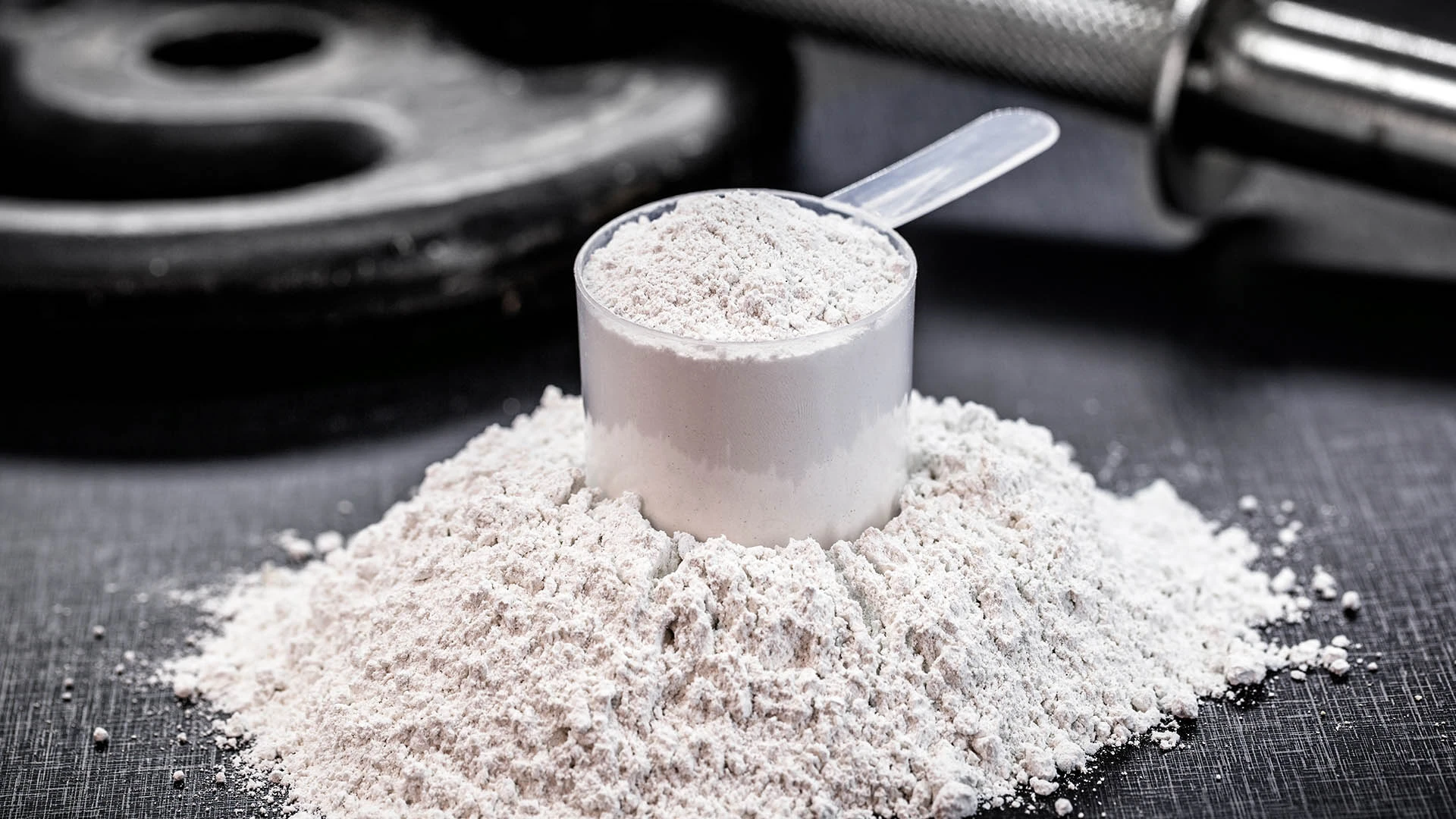
Creatine powder stands as the most researched and beginner-friendly supplement in the fitness world. Yet countless newcomers feel overwhelmed by conflicting advice, complex dosing protocols, and myths that cloud the truth. The reality? Creatine powder for beginners doesn't need to be complicated. This naturally occurring compound, found in your muscles and brain, simply helps your body produce energy more efficiently during high-intensity activities. Whether you're just starting your fitness journey or looking to optimize your workouts, understanding creatine's fundamentals will set you up for safe, effective supplementation that delivers real results.
Creatine is a compound your body naturally produces from amino acids, primarily stored in your muscles as phosphocreatine. When you perform explosive movements like lifting weights or sprinting, your muscles use this stored creatine to rapidly regenerate ATP—your body's primary energy currency. Creatine powder supplements simply increase these natural stores, allowing you to maintain peak performance longer.
For beginners, creatine offers a unique advantage: it's the most scientifically validated supplement available. Over 1,000 peer-reviewed studies support its safety and effectiveness, making it an ideal first supplement for newcomers to fitness. Unlike complex pre-workout formulas or exotic compounds, creatine works through a simple, well-understood mechanism.
The creatine benefits extend beyond just muscle performance. Research shows it supports muscle growth, enhances recovery between sets, and may even improve cognitive function. For beginners who often struggle with workout intensity and recovery, these advantages can accelerate progress significantly.
What makes creatine particularly beginner-friendly is its exceptional safety profile. Decades of research have consistently shown that creatine supplementation is safe for healthy individuals when used as directed. Unlike stimulants that can cause jitters or crashes, creatine works quietly in the background, supporting your natural energy systems without dramatic side effects.
The supplement market offers numerous creatine variants, but beginners should focus on proven options rather than getting lost in marketing claims. Understanding the main types helps you make an informed choice without overspending on unnecessary complexity.
Creatine monohydrate remains the top choice for beginners, and for good reason. This form has the most extensive research backing, with studies consistently demonstrating its effectiveness for strength, power, and muscle growth. It's also the most cost-effective option, making it perfect for newcomers testing the waters. The monohydrate form consists of creatine bound to a water molecule, creating a stable compound that your body easily recognizes and utilizes. Nearly every positive study on creatine has used this form, making it the benchmark against which all other types are measured.
Creatine hydrochloride (HCl) offers better solubility than monohydrate, potentially reducing digestive discomfort for sensitive individuals. Some users report less bloating with this form, though the research comparing it directly to monohydrate remains limited.
The market includes creatine ethyl ester, buffered creatine, and various proprietary blends. However, research hasn't consistently shown these forms to be superior to monohydrate. For beginners, these options often cost more without providing additional benefits. Our recommendation for newcomers remains clear: start with creatine monohydrate. It's proven, affordable, and effective. Once you've experienced its benefits and understand how your body responds, you can explore other forms if desired.
Understanding what creatine actually does helps beginners set realistic expectations and track meaningful progress. The benefits extend beyond simple strength gains, supporting multiple aspects of fitness development. Creatine for muscle growth works through several mechanisms. First, it increases your ability to perform high-intensity work, allowing you to complete more reps or lift heavier weights. This increased training volume directly stimulates muscle growth over time.
Additionally, creatine draws water into muscle cells, creating an anabolic environment that supports protein synthesis. Strength and power improvements typically appear within the first week of supplementation. You'll likely notice you can perform an extra rep or two on your final sets, or maintain power output longer during intense exercises. These seemingly small improvements compound over weeks and months into significant strength gains.
Recovery between sets also improves with creatine supplementation. Your muscles can regenerate ATP faster, meaning shorter rest periods between exercises or the ability to maintain intensity throughout longer workouts. For beginners who often struggle with workout endurance, this benefit proves particularly valuable.
The creatine before and after timeline typically follows a predictable pattern. Week one brings initial strength improvements and possible water weight gain. Weeks two through four show continued strength gains and improved workout capacity. After a month, many users report noticeable improvements in muscle fullness and overall training performance. Beyond physical performance, emerging research suggests creatine may support cognitive function, particularly during mentally demanding tasks or sleep deprivation. While not the primary reason for supplementation, this additional benefit adds value for busy individuals balancing work and fitness goals.
Proper dosing ensures you maximize creatine's benefits while minimizing any potential side effects. Beginners often get confused by different protocols, but the approach is simpler than it appears. The traditional creatine loading protocol involves taking 20 grams daily for 5-7 days, divided into four 5-gram doses throughout the day. This approach rapidly saturates your muscle creatine stores, allowing you to experience benefits within days. However, loading isn't mandatory for effectiveness.
Loading accelerates the timeline for experiencing creatine's benefits. Instead of waiting 3-4 weeks to reach peak muscle saturation, you'll achieve it within a week. This can be motivating for beginners eager to see results. However, loading may increase the likelihood of digestive discomfort or water retention. Some beginners prefer to avoid these potential issues, especially when starting a new supplement routine.
The maintenance phase involves 3-5 grams daily, regardless of whether you completed a loading phase. This amount maintains elevated muscle creatine stores once achieved. Most research supports 3 grams as effective for most individuals, though larger athletes may benefit from 5 grams.
Many beginners choose to skip loading entirely, starting with 3-5 grams daily from day one. This approach takes longer to reach peak saturation (3-4 weeks) but eliminates loading-related side effects. The end result is identical—fully saturated muscle creatine stores. Timing matters less than consistency. Whether you take creatine dosage pre-workout, post-workout, or with meals, maintaining daily intake is most important. Some evidence suggests post-workout timing may offer slight advantages, but the difference is minimal compared to consistent daily use.
Proper preparation and timing optimize creatine's effectiveness while ensuring a pleasant supplementation experience. Simple techniques can significantly improve results and reduce potential issues. Mixing creatine powder requires attention to detail for best results. Use 8-12 ounces of liquid per 5 grams of creatine, stirring thoroughly until completely dissolved. Warm liquids dissolve creatine more effectively than cold ones, though room temperature works fine with adequate mixing. Water serves as the most straightforward mixing option, but fruit juices can enhance absorption due to their carbohydrate content. The insulin response from carbohydrates may help drive creatine into muscle cells more efficiently. However, plain water works perfectly well and avoids additional calories.
While timing flexibility exists, certain approaches may offer slight advantages. Post-creatine workout timing aligns with your body's natural recovery processes and may enhance uptake. Combining creatine with your post-workout meal provides carbohydrates that support absorption. Pre-workout timing works well for those who prefer morning supplementation or want to establish a consistent routine. The key is choosing a time you can maintain consistently, as daily intake matters more than perfect timing.
Creatine draws water into muscle cells, making adequate hydration crucial for optimal function and comfort. Increase your daily water intake by 16-24 ounces when starting creatine supplementation. This prevents dehydration and supports the muscle volumizing effects that contribute to strength gains. Monitor your urine color as a hydration indicator. Pale yellow indicates adequate hydration, while dark yellow suggests you need more fluids. Proper hydration also minimizes any potential digestive discomfort from creatine supplementation.
Understanding potential side effects helps beginners approach creatine supplementation with realistic expectations and appropriate precautions. Most effects are mild and manageable with proper protocols. Water retention represents the most common initial effect of creatine supplementation. Your muscles store additional water along with creatine, leading to a 1-3 pound weight increase within the first week. This isn't fat gain—it's intracellular water that contributes to muscle fullness and strength. Some beginners worry about this initial weight gain, but it's actually a positive indicator that creatine is working. The water retention occurs within muscle cells, not under the skin, so it doesn't cause a bloated appearance. Instead, muscles often look fuller and more defined.
Digestive discomfort occasionally occurs, particularly during loading phases or when taking large doses on an empty stomach. Symptoms may include mild stomach upset, bloating, or loose stools. These effects typically resolve as your body adapts to supplementation. Preventing digestive issues involves taking smaller doses with food and ensuring complete dissolution of the powder. If problems persist, switching to creatine HCl or eliminating the loading phase often resolves them.
Several persistent myths about creatine side effects lack scientific support. Hair loss concerns stem from a single study that showed increased DHT levels, but no direct evidence links creatine to male pattern baldness. Kidney damage fears are similarly unfounded in healthy individuals, with studies showing no adverse effects on kidney function. Dehydration myths persist despite creatine actually improving cellular hydration when adequate water intake is maintained. The key is increasing fluid consumption to match creatine's water requirements.
Individuals with pre-existing kidney disease should consult healthcare providers before starting creatine supplementation. While research shows no kidney damage in healthy people, those with compromised kidney function require medical supervision. Pregnant or nursing women should avoid creatine supplementation due to limited safety data in these populations. Adolescents can safely use creatine under proper supervision, though whole food nutrition should remain the priority.
Answer: Absolutely. Creatine is considered the safest and most effective first supplement for beginners. Its extensive research base and simple mechanism make it ideal for newcomers to supplementation. Start with 3-5 grams daily and focus on consistency rather than complex protocols.
Answer: Creatine monohydrate is the best choice for beginners. It has the most research support, costs less than other forms, and delivers proven results. Avoid expensive alternatives until you've experienced monohydrate's benefits and understand how your body responds to creatine supplementation.
Answer: Within the first week, you'll likely notice improved strength and power during workouts, particularly on your final sets. You may also experience 1-3 pounds of water weight gain as your muscles store additional creatine and water. These are positive signs that the supplement is working effectively.
Answer: Yes, daily creatine supplementation is safe for healthy individuals. Research supports continuous use without cycling breaks. Your body naturally produces creatine daily, and supplementation simply maintains elevated muscle stores. Consistency in daily intake is more important than taking breaks.
Answer: No cycling is necessary with creatine supplementation. Unlike some supplements that require breaks to maintain effectiveness, creatine works best with continuous daily use. Taking breaks actually reduces muscle creatine stores, requiring time to rebuild them when you restart supplementation.
Answer: Women can safely and effectively use creatine powder. The benefits for strength, power, and muscle growth apply equally to both genders. Women may experience slightly less water retention than men, but the performance benefits remain consistent across gender lines.
Starting your creatine journey doesn't require complex protocols or expensive formulations. Creatine powder for beginners succeeds through consistency and proper expectations rather than perfect timing or loading strategies. Choose creatine monohydrate for its proven track record and cost-effectiveness, start with 3-5 grams daily, and maintain adequate hydration throughout your supplementation.
The most important factor in creatine success is daily consistency. Whether you choose to load or start with maintenance dosing, whether you take it pre-workout or post-workout, the key is establishing a sustainable routine you can maintain long-term. Focus on the fundamentals: quality powder, proper mixing, adequate hydration, and realistic expectations for your timeline of results. Remember that creatine enhances your training capacity rather than replacing proper nutrition and programming.
Use it as a tool to support your fitness goals while maintaining focus on consistent workouts, adequate protein intake, and sufficient recovery. With this foundation in place, creatine powder can significantly accelerate your progress and help you achieve the results you're working toward.


Someone sent you
Error
Powered by ReferRush