











Creatine 101: Beginner's Complete Dosage Guide

Get personalised recommendations with our assessment.
Personalised Health Diagnosis (PHD)
Creatine stands as one of the most researched and effective supplements for beginners entering the fitness world. Yet, confusion around proper dosing keeps many from unlocking its potential. The truth? Getting your creatine dosage for beginners right doesn't require a PhD in biochemistry. Whether you're stepping into your first gym or finally ready to optimize your training, understanding how much, when, and why to take this powerhouse supplement can transform your results. Let's cut through the noise and give you the science-backed roadmap to creatine success.
Creatine monohydrate isn't some mysterious lab creation—it's a compound your body naturally produces and stores in your muscles. Think of it as your muscles' energy currency for explosive movements. When you lift weights, sprint, or perform any high-intensity activity, your muscles tap into their creatine stores for immediate power.
The creatine benefits for beginners are particularly impressive because untrained muscles have lower baseline creatine levels. This means newcomers often experience more dramatic improvements in strength, power output, and muscle growth compared to seasoned athletes.
Research consistently shows that creatine for muscle growth works by increasing your muscles' ability to regenerate ATP—the cellular energy that powers every rep, every set, every training session. Natural creatine from food sources like red meat and fish provides only small amounts. A creatine supplement bridges this gap, saturating your muscles with optimal levels that food alone can't achieve. The FDA recognizes creatine monohydrate as safe, with decades of research backing its efficacy and safety profile.
Your muscles store creatine as phosphocreatine, which rapidly regenerates ATP during intense exercise. When your creatine stores are full, you can maintain higher power output for longer periods. This translates to more reps, heavier weights, and ultimately, greater muscle stimulation for growth.
The supplement world loves to overcomplicate things, but creatine dosage for beginners comes down to two scientifically-validated approaches. Both methods achieve the same end goal—saturating your muscles with creatine—but differ in timeline and tolerance. Your choice between these methods should depend on your timeline goals, stomach sensitivity, and personal preference. Neither approach is superior long-term; they simply offer different paths to the same destination.
Creatine loading involves taking 20-25 grams daily for 5-7 days, split into 4-5 doses of 5 grams each. After this loading phase, you transition to a maintenance dose of 3-5 grams daily. This method saturates your muscles in about a week, meaning you'll see strength improvements faster. However, some beginners experience digestive discomfort during the loading phase.
The steady approach involves taking 3-5 grams of creatine powder daily from day one, with no loading phase. While muscle saturation takes about 28 days instead of 7, this method offers better digestive tolerance and equally effective long-term results. Most beginners find this approach more sustainable and comfortable.
For precision, calculate your dose using 0.1 grams per kilogram of body weight for the steady approach. A 70kg person would take approximately 7 grams daily, though the standard 3-5 gram range works effectively for most people regardless of size.
The "when" of creatine supplementation generates endless debate, but the science offers clear guidance. Creatine timing matters less than consistency, though certain windows may offer slight advantages. Daily supplementation maintains elevated muscle creatine levels regardless of workout timing. Your muscles don't empty their creatine stores overnight, so missing the "perfect" timing window won't derail your progress.
Research suggests a slight edge for post-workout creatine supplement timing, particularly when combined with carbohydrates or protein. The increased blood flow and insulin sensitivity after training may enhance creatine uptake. However, the difference is minimal—consistency trumps perfect timing every time.
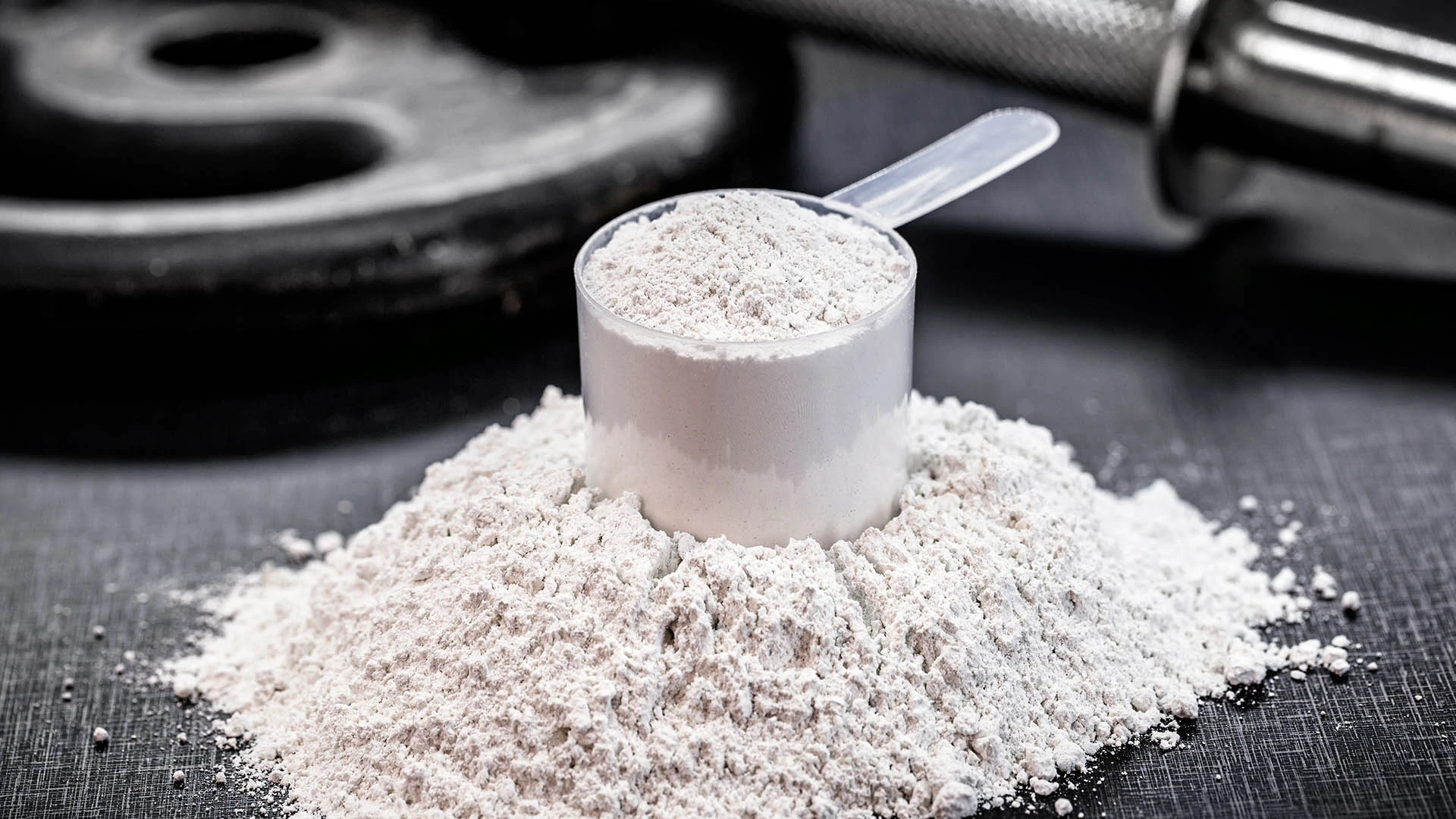
Mix your creatine powder with room temperature water, juice, or your post-workout protein shake. Hot liquids can degrade creatine, while cold liquids may reduce solubility. Stir thoroughly and consume immediately after mixing for optimal effectiveness.
Creatine's safety profile spans decades of research, but beginners should understand what to expect. Most "side effects" are actually signs that the supplement is working, while others result from improper usage. The most common experience is water retention within muscle cells—this is actually the desired effect, not a side effect. This intracellular water retention contributes to the muscle-building benefits and improved performance.
Water weight gain of 1-3 pounds is normal and beneficial—it's water inside your muscles, not bloating. Digestive issues typically occur during aggressive loading phases or when taking large doses on an empty stomach. Muscle cramping concerns have been debunked by research; proper hydration prevents any issues.
Creatine pulls water into your muscles, making adequate hydration crucial. Aim for at least 3-4 liters of water daily when supplementing with creatine. Clear urine and consistent energy levels indicate proper hydration status.
The supplement market floods consumers with "advanced" creatine formulations, but science consistently points to one winner. Creatine monohydrate remains the gold standard, backed by more research than any other form. Quality matters more than marketing claims. Look for third-party tested products with minimal additives and clear labeling. At Ace Blend, we prioritize purity and potency—the fundamentals that actually impact your results.
Creatine monohydrate offers the best combination of research backing, effectiveness, and cost-efficiency. "Premium" forms like creatine HCL or buffered creatine promise better absorption or reduced side effects, but research doesn't support these claims. Save your money and stick with proven monohydrate.
Look for unflavored, pure creatine monohydrate with third-party testing certificates. Avoid products with unnecessary fillers, artificial colors, or proprietary blends that hide actual creatine content. Calculate cost per serving, not per container, for true value comparison.
Understanding the timeline helps set realistic expectations and maintain consistency. Creatine benefits unfold gradually, with different improvements appearing at different stages. Patience pays off with creatine supplementation. While some notice increased training capacity within the first week, the full spectrum of benefits develops over several months of consistent use.
Days 1-7 involve initial adaptation, with possible water weight gain and slightly improved recovery. Weeks 2-4 bring noticeable strength improvements and increased training capacity. Month 2 and beyond reveal enhanced muscle growth and sustained performance gains.
Track strength improvements through rep counts and weight progression rather than just scale weight. Body weight increases from creatine reflect beneficial water retention, not fat gain. Monitor workout performance, recovery between sets, and overall training capacity for the most accurate progress assessment.
Answer: Yes, but taking creatine with food or a carbohydrate source may improve absorption and reduce potential stomach discomfort, especially for sensitive individuals.
Answer: Missing occasional doses won't significantly impact your results. Simply resume your regular dosing schedule the next day—don't double up to "catch up."
Answer: No cycling is necessary. Research supports continuous, long-term creatine use as safe and effective. Your body doesn't develop tolerance to creatine.
Answer: While creatine has an excellent safety profile, excessive doses (over 10g daily) don't provide additional benefits and may cause digestive discomfort. Stick to the recommended 3-5g daily.
Answer: Creatine pairs well with protein powder, pre-workouts, and most other supplements. Avoid taking it with large amounts of caffeine, which may interfere with creatine's hydration benefits.
Answer: While research focuses primarily on adults, creatine appears safe for healthy individuals over 18. Younger athletes should consult healthcare providers before supplementing.
Starting your creatine journey doesn't require perfection—it requires consistency. The steady approach of 3-5 grams daily offers the best balance of effectiveness and tolerance for most beginners. Focus on quality creatine monohydrate, maintain proper hydration, and track your progress through performance metrics rather than just scale weight. Remember, creatine works behind the scenes to enhance your training capacity, making every workout more productive. The compound effect of better workouts leads to better results, making creatine one of the smartest investments in your fitness journey.

