












Which Fruit Has the Most Protein?

Get personalised recommendations with our assessment.
Personalised Health Diagnosis (PHD)
When you're hunting for natural ways to boost your protein intake, fruits might not be the first thing that comes to mind. Most people think protein and immediately picture chicken, eggs, or protein powder. But here's the thing—some fruits pack a surprising protein punch that can complement your daily nutrition goals. While fruits won't replace your main protein sources, understanding which ones deliver the most protein can help you make smarter choices for sustained energy and overall vitality. Let's dive into the world of high protein fruits and discover which ones deserve a spot in your daily routine.
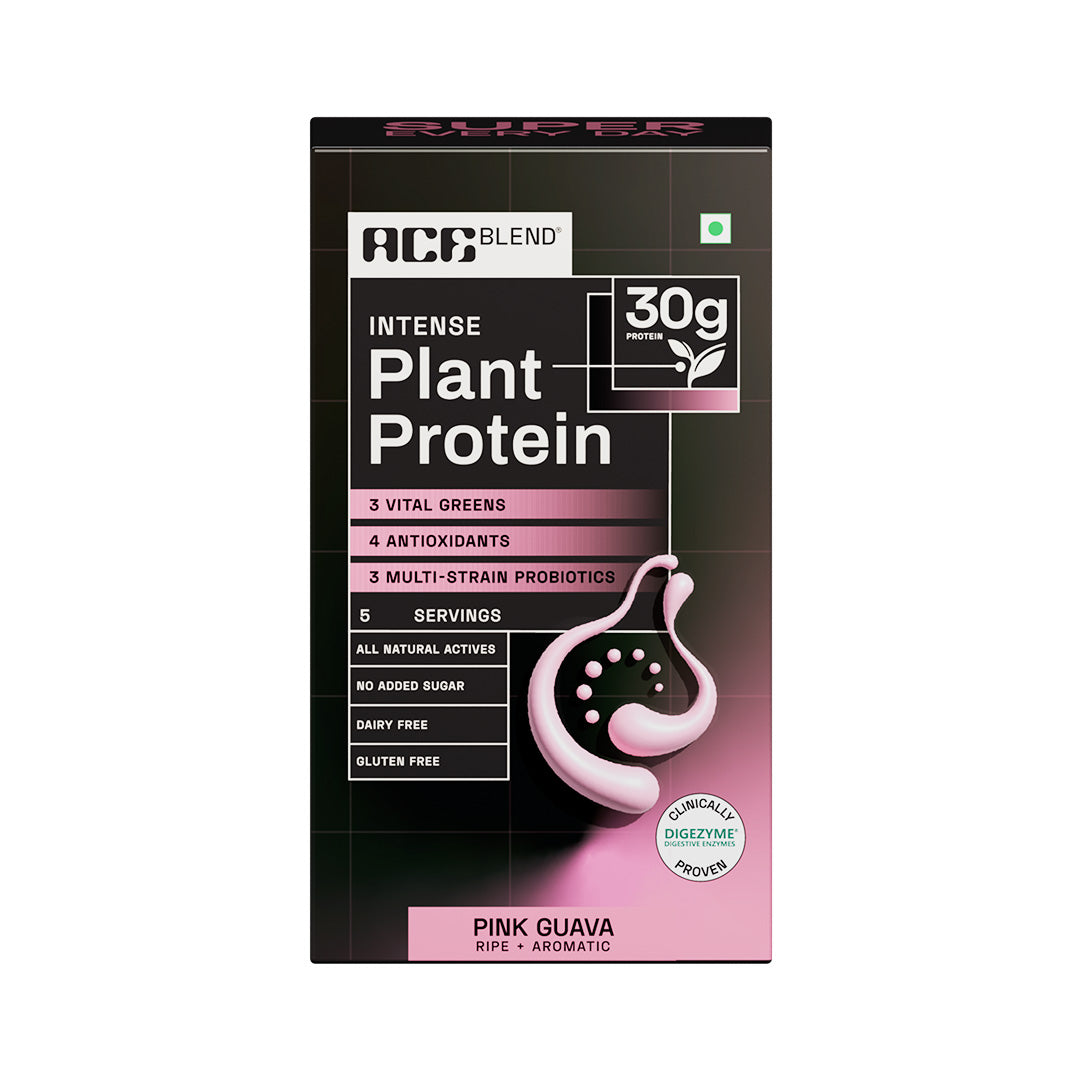
Guava takes the crown as the fruit with the most protein, delivering an impressive 4.2 grams per cup. This tropical powerhouse doesn't just stop at protein—it's also loaded with vitamin C, fibre, and antioxidants that support immune function and digestive health. Passion fruit comes in as a close second with about 5 grams of protein per cup, though its availability can be limited depending on your location. The small seeds pack most of the protein punch, so don't skip them when you're eating this exotic fruit.
Avocado delivers around 3 grams of protein per cup, along with healthy monounsaturated fats that help with nutrient absorption. The combination of protein and healthy fats makes avocado particularly satisfying and perfect for maintaining stable blood sugar levels.
Jackfruit provides 2.8 grams of protein per cup and has gained popularity as a plant-based meat substitute. Its fibrous texture and mild flavor make it versatile for both sweet and savory applications.
Here's your comprehensive guide to fruits with protein, ranked by their protein content per cup serving. These numbers will help you make informed choices when planning your meals and snacks. The top 15 protein fruit sources include guava leading at 4.2g, followed by passion fruit at 5g per cup (when available), and avocado at 3g per cup. Apricots deliver 2.3g per cup, while blackberries and kiwi both provide around 2g per cup.
Raspberries and pomegranate seeds each offer about 1.5g of protein per cup. These berries also bring powerful antioxidants and anti-inflammatory compounds to the table.
Oranges provide 1.2g of protein per cup, along with vitamin C and folate. Bananas offer about 1.3g per cup plus potassium for muscle function. Even common fruits like apples and pears contribute small amounts of protein while delivering fiber and various vitamins.
Fruit proteins offer unique advantages in a plant-based diet, though they're considered incomplete proteins since they don't contain all essential amino acids in optimal ratios. However, when combined with other plant protein sources throughout the day, they contribute valuable amino acids to your overall protein profile. The bioavailability of fruit proteins is generally good, meaning your body can effectively use the protein they provide. Fruits also come packaged with fibre, vitamins, minerals, and phytonutrients that support overall health and vitality.
To optimize protein absorption from fruits, consider pairing them with complementary protein sources. For example, adding nuts or seeds to your fruit bowl creates a more complete amino acid profile. The vitamin C in many high protein fruits also enhances iron absorption when consumed with iron-rich plant foods.
Consuming protein-rich fruits as part of balanced meals helps maintain steady energy levels throughout the day. The natural sugars provide quick energy, while the protein and fibre help sustain that energy longer than simple carbohydrates alone.
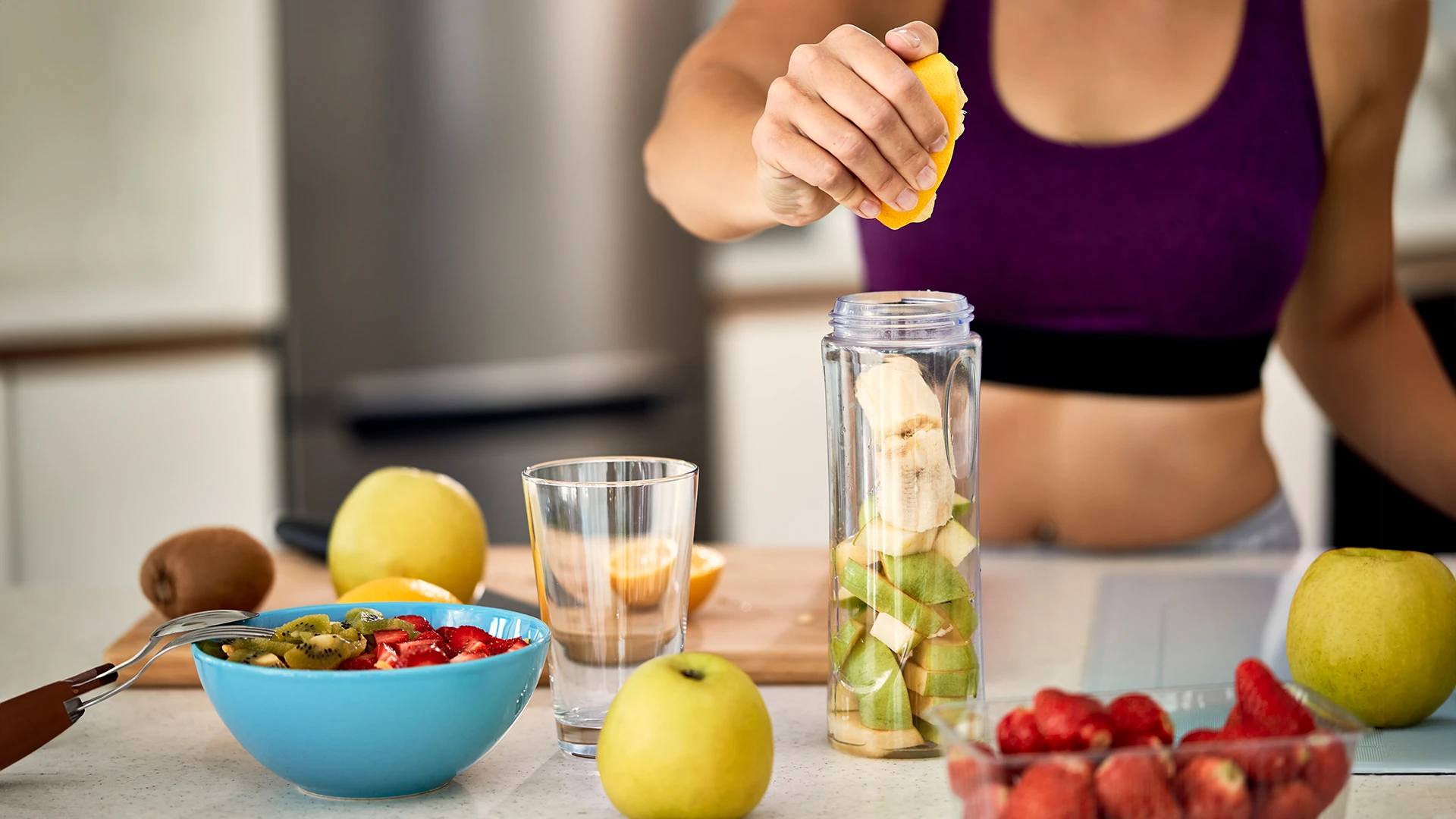
Building protein-rich fruits into your daily routine doesn't require major diet overhauls. Start your morning with a smoothie combining guava, berries, and a handful of nuts for a protein-packed breakfast that delivers sustained energy. For snacking, pair sliced apples with almond butter or enjoy a small bowl of mixed berries with Greek yogurt. These combinations provide both immediate satisfaction and longer-lasting fullness.
Prepare protein-rich fruit combinations in advance by washing and cutting fruits at the beginning of the week. Store them in clear containers so you can easily grab them for quick snacks or meal additions.
Focus on seasonal, locally available fruits with protein to keep costs manageable. Frozen berries often provide similar nutritional value to fresh ones and can be more affordable year-round.
While fruits contribute valuable protein to your diet, they shouldn't be your primary protein source. A cup of the highest-protein fruit provides about the same protein as a single egg, but with additional benefits like fibre, antioxidants, and various vitamins. Fruit proteins work best as part of a diverse diet that includes legumes, nuts, seeds, and other protein sources. Think of them as nutritional bonuses rather than protein powerhouses.
The protein in fruits comes with a package of nutrients that many traditional protein sources lack. This nutritional density makes fruits valuable contributors to overall health, even if their protein content seems modest compared to animal products.
When comparing protein costs, fruits might seem expensive per gram of protein. However, their additional nutritional benefits and role in disease prevention make them worthwhile investments in long-term health.
Guava contains the most protein among commonly available fruits, with 4.2 grams per cup. Passion fruit technically has more at 5 grams per cup, but it's less widely available and more expensive.
No, fruits cannot provide enough protein to meet daily requirements for most adults. You'd need to eat enormous quantities, which would provide excessive calories and sugar. Use fruits as complementary protein sources alongside legumes, nuts, seeds, and other protein-rich foods.
Dried fruits are more concentrated, so they contain more protein per weight, but they also have much more sugar and calories. Fresh fruits provide better overall nutrition with natural water content and fewer concentrated sugars.
Many vegetables actually contain more protein per serving than fruits. Leafy greens, broccoli, and peas often provide more protein with fewer calories than most fruits.
Combining fruits with other protein sources creates more balanced blood sugar responses, improves satiety, and provides complementary amino acids. The vitamin C in fruits also enhances iron absorption from plant proteins.
Berries, avocado, and guava are excellent choices because they're lower in sugar relative to their fibre and protein content. The fibre helps slow sugar absorption, making them more blood sugar-friendly.
Most adults need about 0.8-1.2 grams of protein per kilogram of body weight daily, depending on activity level. For a 70kg person, that's roughly 56-84 grams of protein daily from all sources combined.
High protein fruits offer valuable nutritional benefits beyond their protein content, including fiber, vitamins, minerals, and antioxidants that support overall health and daily vitality. While guava leads the pack with 4.2 grams per cup, remember that fruits work best as part of a diverse, balanced diet rather than primary protein sources. Incorporating protein-rich fruits into your routine can enhance your nutrition without requiring dramatic dietary changes. Focus on variety, seasonal availability, and pairing fruits with complementary protein sources to maximize their benefits.

