


Vegan vs. Vegetarian Supplements: Which is Right for You?

Get personalised recommendations with our assessment.
Personalised Health Diagnosis (PHD)
The plant-based movement has revolutionized how we think about nutrition, but it's also created confusion around supplementation. Whether you're fully vegan or vegetarian, your body has specific nutritional needs that can't always be met through food alone. The difference between vegan and vegetarian dietary supplements isn't just about labels—it's about understanding your unique nutritional gaps and filling them strategically. Let's cut through the noise and explore what your body actually needs to thrive on a plant-forward diet.
The nutritional landscape changes dramatically when you eliminate animal products from your diet. While both vegans and vegetarians follow plant-based approaches, their supplement requirements differ significantly based on what they include or exclude from their meals.
Vegan diets eliminate all animal products, creating potential gaps in vitamin B12, omega-3 fatty acids, and calcium. Vegetarian diets, depending on whether they include dairy (lacto), eggs (ovo), or both (lacto-ovo), may have fewer nutritional gaps but still require careful planning.
The most significant difference lies in vitamin B12 absorption. Vegetarians who consume dairy and eggs get some B12, while vegans must rely entirely on fortified foods or supplements. This makes vegan supplements more comprehensive by necessity.
Both dietary approaches require attention to specific nutrients that are abundant in animal products but scarce in plants. Iron bioavailability from plant sources is significantly lower than from meat, requiring strategic supplementation or food combining.
Omega-3 fatty acids present another challenge. While flaxseeds and walnuts provide ALA omega-3s, the body struggles to convert these to the more beneficial EPA and DHA forms found in fish.
Vegan nutrition demands a more strategic approach to supplementation. Without any animal products, certain nutrients become virtually impossible to obtain in adequate amounts through food alone.
Vitamin B12 tops the list as the most critical supplement for vegans. Your body needs 2.4 micrograms daily, but absorption decreases as dosage increases. Taking 250 micrograms daily or 2,500 micrograms weekly ensures adequate absorption.
Vitamin D becomes essential, especially for those with limited sun exposure. Plant-derived D2 or vegan D3 from lichen provides the same benefits as animal-sourced versions.
Zinc absorption from plant sources is significantly lower due to phytates in grains and legumes. Vegans need 50% more zinc than omnivores, making supplementation crucial for immune function and wound healing.
Iodine deficiency is common among vegans who avoid iodized salt. Seaweed provides iodine but in unpredictable amounts, making supplements more reliable.
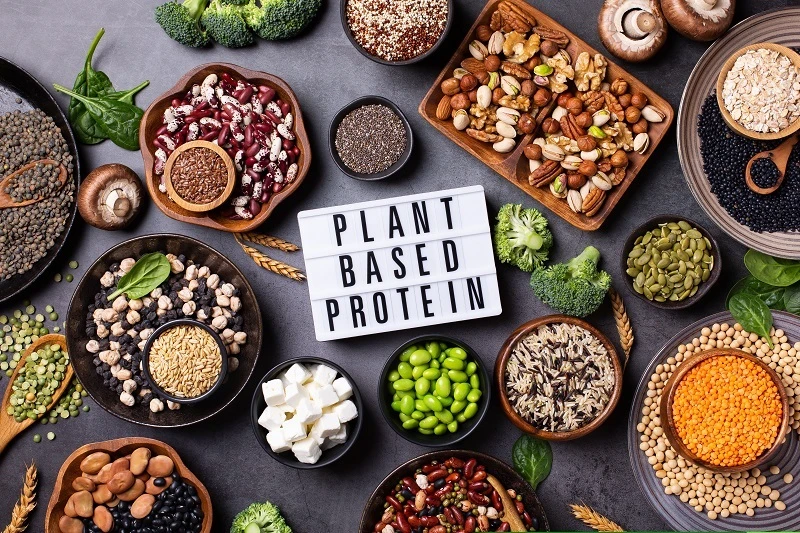
While plant proteins can meet all amino acid needs, combining different sources ensures completeness. Plant-based protein powders offer convenience and guaranteed amino acid profiles.
Our protein formulations address this need directly. Whether you choose our DAILY Protein for general wellness or INTENSE Protein for athletic performance, you're getting complete amino acid profiles that support muscle health and recovery.
Vegetarians have certain advantages over vegans when it comes to nutrient intake, but they're not immune to deficiencies. Understanding these differences helps optimize your supplement strategy.
Vegetarian supplements can be less comprehensive because dairy and eggs provide some nutrients naturally. Lacto-vegetarians get calcium and some B12 from dairy, while ovo-vegetarians receive complete proteins and additional B vitamins from eggs.
However, vegetarians still face challenges with iron absorption and omega-3 fatty acids. The absence of meat means relying on less bioavailable plant sources for these crucial nutrients.
Dairy products provide natural B12, reducing but not eliminating the need for supplementation. Eggs offer complete proteins with all essential amino acids, making protein supplementation less critical but still beneficial for active individuals.
Calcium absorption is easier for lacto-vegetarians, though they still need to ensure adequate vitamin D for optimal calcium utilization.
Quality matters more than quantity when choosing plant-based vitamins. The supplement industry is flooded with low-quality options that promise everything but deliver little.
Look for supplements with third-party testing and transparent labeling. Bioavailability is crucial—methylcobalamin B12 absorbs better than cyanocobalamin, and chelated minerals outperform basic forms.
Our approach to supplementation focuses on potency and purity. Take our Outshine Omega 3—it's India's first 4x strength fish oil with the highest concentration per dose, ensuring you get maximum benefit from every capsule.
Age and gender influence nutrient needs significantly. Women of reproductive age need more iron, while older adults require higher B12 doses due to decreased absorption.
Athletes and active individuals need increased protein, magnesium, and B vitamins. Our Max Magnesium uses liposomal technology for superior absorption, addressing the common magnesium deficiency that affects muscle function and recovery.
Building an effective supplement routine requires understanding your individual needs and avoiding common pitfalls. One-size-fits-all approaches rarely work for plant-based nutrition.
Start with blood testing to identify your specific deficiencies. Common markers include B12, vitamin D, iron, and omega-3 index. This data-driven approach prevents unnecessary supplementation and ensures you address real gaps.
Budget-conscious supplementation focuses on the essentials first: B12, vitamin D, and omega-3s for vegans; B12 and iron for vegetarians. Add other supplements based on testing results and dietary analysis.
Take iron supplements on an empty stomach with vitamin C to enhance absorption. B12 works best sublingually or with meals. Fat-soluble vitamins (A, D, E, K) need dietary fat for optimal absorption.
Avoid taking calcium and iron together, as they compete for absorption. Space these supplements by at least two hours for maximum benefit.
Essential vegan supplements include vitamin B12, vitamin D, omega-3 fatty acids (EPA/DHA), iron, calcium, zinc, and iodine. These nutrients are either absent or poorly absorbed from plant sources, making supplementation crucial for optimal health.
Vegans require more comprehensive supplementation, especially for B12, calcium, and omega-3s, since they avoid all animal products. Vegetarians may get some nutrients from dairy and eggs but still need supplements for iron, omega-3s, and often B12.
Plant-derived supplements can be equally effective when properly formulated. Some offer better bioavailability due to natural cofactors, while others may require higher doses. Quality and third-party testing matter more than source.
Blood testing for B12, iron, vitamin D, and omega-3 index can identify deficiencies. Symptoms like fatigue, weakness, poor concentration, or frequent infections may indicate nutrient gaps requiring supplementation.
While most nutrients are available from plants, vitamin B12 and long-chain omega-3s (EPA/DHA) are virtually impossible to obtain in adequate amounts without supplements or fortified foods. Strategic supplementation ensures optimal health.
The choice between vegan and vegetarian dietary supplements isn't about which diet is superior—it's about understanding your unique nutritional needs and addressing them intelligently. Both approaches can support optimal health when supplemented strategically.
Focus on the essentials first: B12, vitamin D, and omega-3s form the foundation of any plant-based supplement routine. From there, personalize based on your specific dietary choices, activity level, and blood test results. Remember, quality trumps quantity every time—invest in supplements that deliver real results, not empty promises.


Someone sent you
Error
Powered by ReferRush