
















Summer Season Fruits: Your Complete Guide

Get personalised recommendations with our assessment.
Personalised Health Diagnosis (PHD)
Summer brings nature's most vibrant and refreshing bounty straight to our plates. As temperatures soar, our bodies crave foods that cool, hydrate, and energize us naturally. Summer season fruits aren't just delicious treats—they're nutritional powerhouses perfectly designed to meet our seasonal needs. From the juicy sweetness of mangoes to the crisp refreshment of watermelons, these seasonal gems pack essential vitamins, minerals, and antioxidants that support our health during the hottest months. Understanding which fruits to choose, when they're at their peak, and how to maximize their benefits can transform your summer nutrition game completely.
Summer season fruits are nature's perfect answer to beating the heat. These seasonal powerhouses arrive precisely when our bodies need them most, offering unique properties that help us thrive in sweltering temperatures.
Most summer fruits contain 80-95% water, making them natural hydration heroes. Watermelons lead the pack with 92% water content, followed closely by muskmelons and cucumbers. This high water content helps maintain fluid balance and prevents dehydration more effectively than plain water alone.
Fruits harvested during their natural season contain maximum nutrient density. Summer fruits ripen under intense sunlight, concentrating vitamins C, A, and E along with powerful antioxidants. This seasonal timing ensures you get the most nutritional bang for your buck.
Many summer fruits possess natural cooling properties according to traditional medicine systems. They help regulate body temperature while replenishing essential electrolytes lost through sweat. Potassium-rich fruits like bananas and melons support proper muscle function and prevent cramping.
Eating seasonally means enjoying fruits at their absolute freshest. Local summer fruits travel shorter distances, retain more nutrients, and taste significantly better than off-season imports. This approach also supports sustainable eating practices and local farming communities.
The summer fruit kingdom offers incredible diversity, each variety bringing unique flavors, textures, and nutritional benefits. Understanding these categories helps you make informed choices for optimal health and enjoyment.
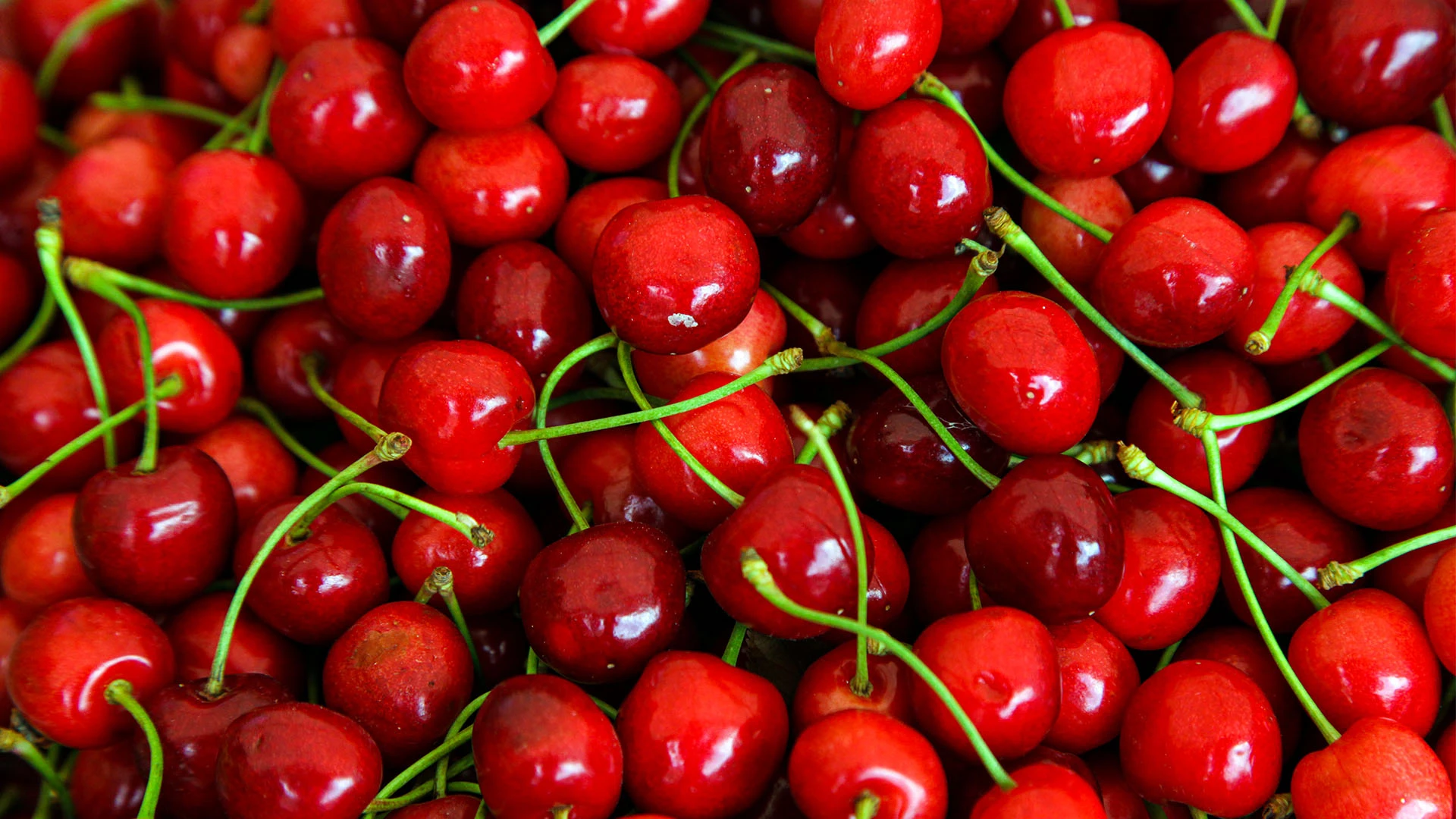
Stone fruits get their name from the hard pit at their center. Peaches provide beta-carotene for skin health, while plums offer anthocyanins for heart protection. Apricots pack vitamin A for eye health, and cherries deliver melatonin for better sleep. These fruits peak from May through August, offering sweet relief during hot afternoons.
Tropical fruits bring exotic flavors and exceptional nutrition. Mangoes contain over 20 vitamins and minerals, earning their title as "king of fruits." Papaya provides digestive enzymes and vitamin C, while pineapple offers bromelain for inflammation reduction. These fruits thrive in warm climates and peak during summer months.
Watermelons, muskmelons, and honeydew melons top the hydration charts. These fruits provide instant cooling relief while delivering lycopene, beta-carotene, and vitamin C. Their high water content makes them perfect post-workout snacks or midday refreshers when temperatures soar.
Summer berries pack incredible antioxidant power in tiny packages. Strawberries provide more vitamin C than oranges, while blueberries offer anthocyanins for brain health. Blackberries deliver fibre and vitamin K, supporting digestive and bone health respectively.
Lychees provide vitamin C and copper for immune support. Jamun offers anthocyanins and helps regulate blood sugar. Jackfruit provides potassium and vitamin B6 for heart health. These unique fruits add variety and exceptional nutrition to summer diets.
Summer fruits deliver targeted health benefits that align perfectly with seasonal needs. Their nutritional profiles support everything from hydration to immunity, making them essential components of warm-weather wellness.
Fresh summer fruits provide superior hydration compared to processed beverages. Their natural sugars aid water absorption while potassium, magnesium, and sodium maintain proper electrolyte balance. This combination prevents dehydration-related fatigue and supports optimal physical performance.
Summer fruits overflow with immune-supporting nutrients. Vitamin C from citrus fruits and berries enhances white blood cell function. Beta-carotene from orange fruits converts to vitamin A, supporting respiratory health. Antioxidants neutralize free radicals generated by sun exposure and heat stress.
Many summer fruits provide natural sun protection from within. Lycopene in watermelons and tomatoes reduces UV damage. Vitamin E in mangoes protects cell membranes from oxidative stress. These nutrients work synergistically to maintain healthy, glowing skin throughout summer.
Summer fruits support digestive wellness through fibre and natural enzymes. Papaya contains papain for protein digestion. Pineapple provides bromelain for inflammation reduction. High fiber content promotes healthy gut bacteria and regular elimination.
Most summer fruits are naturally low in calories while high in fibre and water. This combination promotes satiety without excess calories. Natural sugars provide quick energy for summer activities while fiber slows absorption, preventing blood sugar spikes.
Maximizing the benefits of summer season fruits requires proper selection, storage, and preparation techniques. These skills ensure you enjoy peak flavor, nutrition, and safety from your seasonal produce.
Perfect ripeness varies by fruit type. Stone fruits should yield slightly to gentle pressure and emit sweet aromas. Melons should sound hollow when tapped and feel heavy for their size. Berries should display vibrant colors without soft spots or mold.
Storage requirements differ significantly among summer fruits. Stone fruits ripen at room temperature then require refrigeration. Berries need immediate refrigeration and gentle handling. Tropical fruits often prefer room temperature storage until fully ripe.
Proper washing removes pesticides, bacteria, and dirt while preserving nutrients. Use cool running water for most fruits, avoiding soap or detergents. Berries require gentle rinsing just before consumption. Remove any damaged portions to prevent spoilage spread.
Presentation enhances enjoyment and encourages consumption. Create colorful fruit salads combining different textures and flavors. Freeze grapes or berries for natural popsicles. Slice fruits uniformly for attractive platters that appeal to all ages.
Transforming fresh summer fruits into exciting culinary creations maximizes their appeal and nutritional benefits. These preparation methods preserve nutrients while creating satisfying treats for hot weather.
Blend frozen fruits with minimal liquid for thick, creamy smoothies. Combine complementary flavors like mango-pineapple or berry-banana. Top smoothie bowls with nuts, seeds, and fresh fruit for added texture and nutrition. These combinations provide sustained energy and hydration.
Frozen fruit pops require only pure fruit and natural sweeteners. Layer different colored fruits for visual appeal. Fruit sorbets blend frozen fruits with minimal added sugars. These treats satisfy sweet cravings while providing essential nutrients and cooling relief.
Fruit salads benefit from acid balance and complementary flavors. Add lime juice to prevent browning and enhance taste. Combine sweet fruits with herbs like mint or basil. Savory fruit salsas pair beautifully with grilled proteins and provide refreshing contrast.
Dehydrating fruits concentrates flavors while extending shelf life. Make natural fruit leather without added sugars. Freeze fruits at peak ripeness for year-round smoothies. These methods ensure you can enjoy summer flavors throughout the year.
Watermelon leads with 92% water content, followed by muskmelon, honeydew, and cucumber. These fruits provide natural electrolytes alongside hydration, making them superior to plain water for summer refreshment.
Tropical fruits evolved in hot climates and contain natural cooling compounds. They provide quick energy through natural sugars while delivering essential vitamins and minerals that support heat tolerance and recovery.
Ripe fruits typically yield slightly to pressure, emit sweet aromas, and display vibrant colors. Melons sound hollow when tapped, while stone fruits develop slight softness around the stem area.
Moderation remains key with any food. Excessive fruit consumption can cause digestive upset due to high fibre and natural sugars. Aim for 2-4 servings daily, focusing on variety rather than quantity.
Berries top antioxidant charts, particularly blueberries, blackberries, and strawberries. Dark-colored fruits like cherries and plums also provide exceptional antioxidant content for cellular protection.
Refrigerate cut fruits immediately in airtight containers. Consume within 2-3 days for optimal safety and nutrition. Add lemon juice to prevent browning and maintain vitamin C content.
Frozen fruits retain most nutrients when properly processed. They're often frozen at peak ripeness, sometimes containing higher nutrient levels than fresh fruits that traveled long distances.
Summer season fruits represent nature's perfect solution for hot-weather nutrition and hydration. These seasonal powerhouses deliver targeted benefits that align with our bodies' summer needs—from natural cooling and hydration to immune support and skin protection. The key lies in choosing variety, eating seasonally, and preparing fruits properly to maximize their nutritional impact. Whether you're reaching for a juicy watermelon slice or crafting a colorful fruit bowl, these natural treasures provide the foundation for vibrant summer health. At Ace Blend, we understand that optimal nutrition comes from combining nature's best offerings with modern nutritional science, creating comprehensive wellness solutions that support your health goals throughout every season.


Someone sent you
Error
Powered by ReferRush