


Suji Nutrition 101: Everything You Need to Know

Get personalised recommendations with our assessment.
Personalised Health Diagnosis (PHD)
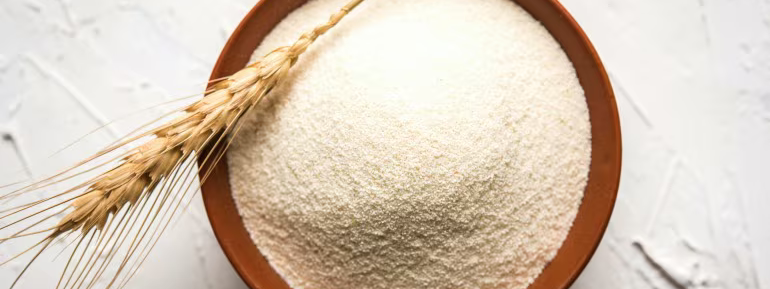
Suji, also known as semolina or rava, sits at the heart of countless Indian kitchens. Yet most people grab it off the shelf without understanding its true nutritional power. This golden grain derivative packs more than just carbs—it's a surprisingly balanced source of protein, essential minerals, and sustained energy. Whether you're tracking macros, managing blood sugar, or simply want to make smarter food choices, understanding suji's complete nutritional profile changes everything. Let's break down exactly what makes this pantry staple tick and how it fits into your wellness goals.
Suji comes from durum wheat, a hard variety of wheat that's milled to create those characteristic coarse, golden granules. Unlike regular wheat flour that's ground to a fine powder, suji retains a slightly gritty texture that gives dishes their distinctive bite. The process involves removing the bran and germ, leaving behind the endosperm—the starchy core that becomes your familiar rava.
The journey from wheat to suji involves multiple milling stages. Durum wheat kernels first get cleaned and conditioned. Then they're cracked and sifted to separate different particle sizes. The coarser particles become suji, while finer ones turn into semolina flour.
Markets typically offer three main varieties: fine, medium, and coarse suji. Fine suji works best for sweets like halwa. Medium suji suits upma and idli. Coarse suji excels in dishes requiring more texture like rava dosa.
While both come from wheat, suji has a higher protein content and different cooking properties. Regular wheat flour contains more fiber due to bran inclusion, but suji offers better protein quality and easier digestibility.
Here's where suji truly shines nutritionally. Per 100 grams of raw suji, you're looking at a surprisingly well-rounded macronutrient profile that challenges common assumptions about refined grains. The numbers tell a compelling story about why this grain deserves respect in modern nutrition.
Suji delivers approximately **360 calories per 100g**, making it an energy-dense food perfect for active lifestyles. These calories come primarily from complex carbohydrates, providing sustained energy release rather than quick spikes.
With **12-13 grams of protein per 100g**, suji outperforms most other refined grains. This protein contains essential amino acids, though it's not complete like animal proteins. Combining suji with legumes creates a complete amino acid profile.
Suji contains approximately **73 grams of carbohydrates per 100g**, with about 3.9 grams coming from dietary fiber. While not as fiber-rich as whole grains, this amount still supports digestive health and helps moderate blood sugar response.
The fat content remains minimal at just **1.05 grams per 100g**. Most of this comes from naturally occurring wheat germ oils, providing small amounts of essential fatty acids without adding significant calories.
Suji provides notable amounts of iron (1.2mg), magnesium (47mg), and thiamine (0.28mg) per 100g. These micronutrients support energy metabolism, muscle function, and nervous system health.
Understanding how suji affects your blood sugar helps you make informed decisions about portion sizes and meal timing. The glycemic index tells only part of the story—preparation methods and food combinations matter just as much. Smart suji consumption can actually support stable energy levels throughout the day.
Suji has a **moderate glycemic index of 54**, placing it in the medium-GI category. This means it raises blood sugar more slowly than white bread but faster than whole grains like oats or quinoa.
The blood sugar response depends heavily on preparation and portion size. Cooking suji with protein or healthy fats significantly reduces its glycemic impact. Adding vegetables or consuming it with dal further moderates glucose spikes.
Cooking doesn't dramatically alter suji's nutritional profile, but it does affect digestibility and satiety. Cooked suji provides better nutrient absorption and tends to be more filling due to increased volume from water absorption.
For optimal blood sugar management, stick to **30-40 grams of raw suji per serving**. This translates to about one-third cup, which expands significantly when cooked with water or milk.
Beyond basic nutrition numbers, suji offers specific health advantages that make it valuable in a balanced diet. These benefits extend from immediate energy provision to long-term wellness support. Understanding these advantages helps you leverage suji strategically in your meal planning.
Suji's complex carbohydrates provide steady energy release, making it excellent for pre-workout meals or sustained mental focus. The B-vitamins support energy metabolism at the cellular level.
The moderate fiber content promotes healthy digestion without causing bloating. Suji's easy digestibility makes it suitable for people with sensitive stomachs or those recovering from illness.
While not a complete protein source, suji's amino acid profile supports muscle maintenance when combined with other protein sources. It's particularly valuable in vegetarian diets.
The fiber and magnesium in suji contribute to cardiovascular health. Regular consumption as part of a balanced diet may help maintain healthy cholesterol levels.
Suji's protein and fiber content promote satiety, potentially reducing overall calorie intake. Its versatility allows for creative, satisfying meals that support weight management goals.
Transforming suji into nutritious meals requires strategic ingredient combinations and cooking methods. These approaches maximize its nutritional benefits while creating satisfying, flavorful dishes. The key lies in balancing suji with complementary nutrients and avoiding excessive oil or sugar.
Combine suji with milk and nuts for protein-rich upma. Add Greek yogurt to suji pancakes for extra protein. Mix in chia seeds or hemp hearts for complete amino acid profiles.
Vegetable-loaded suji khichdi keeps calories in check while maximizing nutrition. Steam-cooked suji dhokla provides satisfying volume with minimal oil. Suji-vegetable cutlets baked instead of fried offer guilt-free indulgence.
Pair suji with high-fiber vegetables and protein sources. Use minimal oil and avoid added sugars. Include cinnamon or fenugreek for additional blood sugar support.
Instant suji upma with pre-cut vegetables saves time without sacrificing nutrition. Microwave suji halwa using dates instead of sugar provides quick satisfaction. Cold suji salads with fresh herbs offer no-cook convenience.
Suji is primarily a carbohydrate source, containing about 73g of carbs per 100g. However, it also provides significant protein at 12-13g per 100g, making it more balanced than many other refined grains. This combination makes suji an excellent energy food that also supports muscle maintenance.
Suji generally offers more protein and fiber than white rice, with better sustained energy release due to its moderate glycemic index. However, brown rice provides more micronutrients and fiber. The choice depends on your specific nutritional goals and dietary preferences.
Daily suji consumption can be healthy when part of a balanced diet, providing sustained energy and essential nutrients. However, rotating with other whole grains ensures better nutritional variety. Portion control and preparation methods significantly impact its health benefits.
With a moderate glycemic index of 54, suji can be included in diabetic diets when consumed in controlled portions. Combining it with protein, healthy fats, or high-fiber vegetables helps moderate blood sugar response. Always consult healthcare providers for personalized dietary advice.
Potential drawbacks include gluten content, making it unsuitable for celiac disease or gluten sensitivity. As a refined grain, it lacks some nutrients found in whole grains. Large portions may cause blood sugar spikes, and excessive consumption without variety limits overall nutritional diversity.
A healthy serving size is 30-40g of raw suji per meal, which can be consumed 1-2 times daily as part of a balanced diet. This provides adequate energy without overwhelming your carbohydrate intake. Adjust portions based on activity level and overall dietary goals.
Suji emerges as more than just a convenient carbohydrate source—it's a surprisingly balanced grain that deserves strategic placement in modern nutrition. With 12-13g of protein per 100g and a moderate glycemic index, it challenges assumptions about refined grains. The key lies in smart preparation and portion control. Combine suji with protein sources, load it with vegetables, and respect serving sizes to maximize its benefits. Whether you're fueling workouts, managing blood sugar, or simply seeking satisfying meals, understanding suji's complete nutritional profile empowers better food choices. Remember, no single food defines health—suji works best as part of a diverse, nutrient-rich diet that supports your individual wellness goals.


Someone sent you
Error
Powered by ReferRush