












Sleep Supplements: Safe Mixing Guide Revealed

Get personalised recommendations with our assessment.
Personalised Health Diagnosis (PHD)
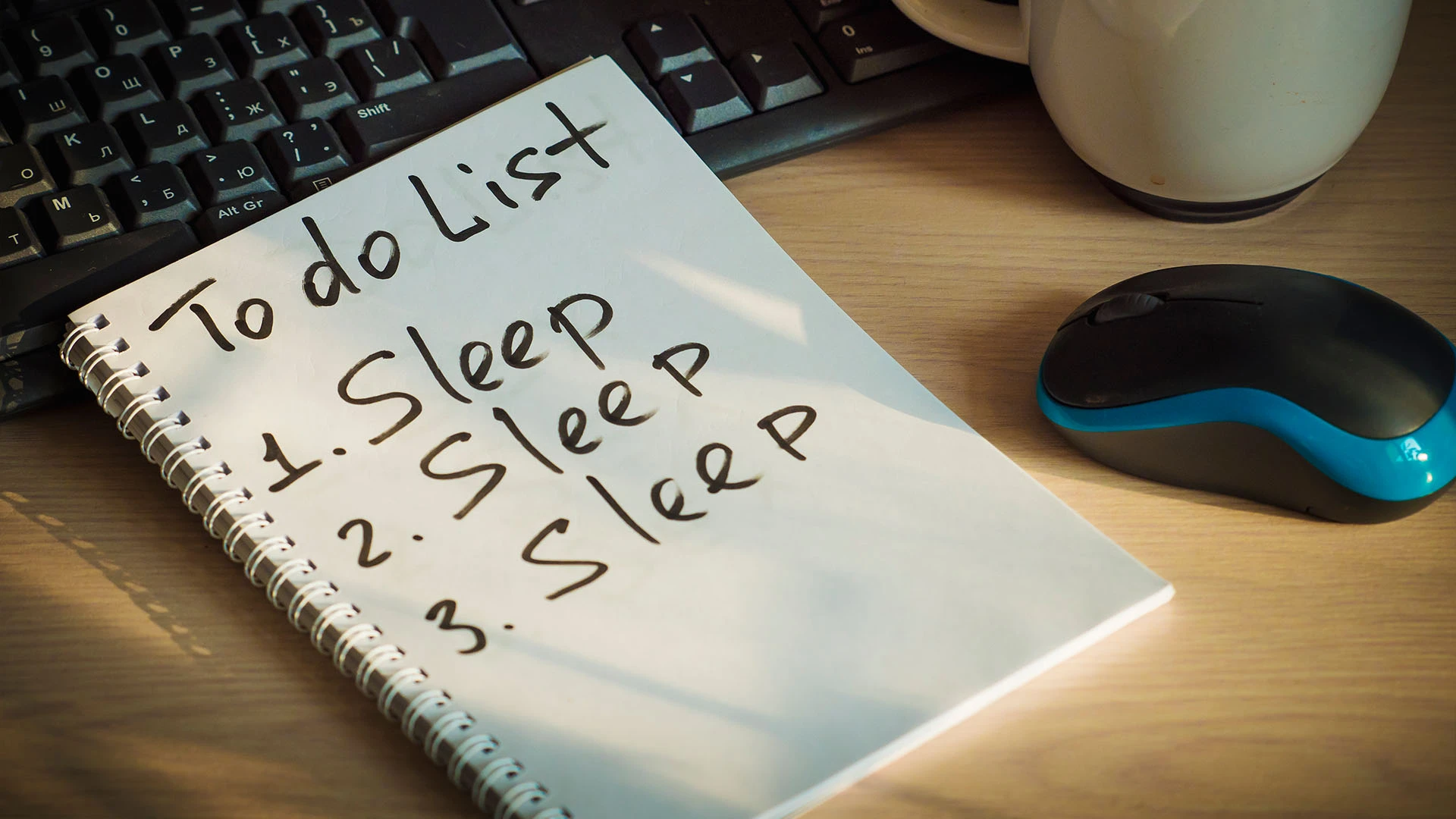
Sleep troubles got you tossing and turning? You're not alone. With the wellness industry flooded with sleep supplements promising instant relief, many people wonder if combining these aids could be the magic formula for better rest. But here's the reality check: mixing sleep supplements isn't as simple as throwing ingredients into a smoothie. Your body processes these compounds in complex ways, and what works for your friend might not work for you. The question isn't just whether you can combine sleep supplements, but whether you should—and how to do it safely. Let's cut through the marketing noise and get to the science-backed truth about sleep supplement combinations.
Sleep supplements work through different pathways in your brain and body. Some boost natural sleep hormones, others calm your nervous system, and many target multiple mechanisms at once. When you combine these supplements, you're essentially creating a custom cocktail that could either enhance your sleep or cause unexpected side effects. The biggest misconception? That natural equals harmless. Just because something comes from a plant doesn't mean it's risk-free when mixed with other compounds. Your liver processes all these substances, and overloading it can lead to problems you didn't see coming.
Your metabolism isn't a one-size-fits-all system. Factors like age, weight, genetics, and existing health conditions all influence how quickly your body breaks down supplements. What's safe for a 25-year-old might be too much for someone over 50.
Taking multiple sleep aids at once can overwhelm your system. Staggering doses throughout the evening often works better than dumping everything into your body at bedtime.
Not all supplement combinations are created equal. Some pairings have solid research backing their safety and effectiveness. The key is understanding which combinations complement each other without creating dangerous interactions. Magnesium and melatonin make an excellent team. Magnesium helps relax your muscles and calm your nervous system, while melatonin regulates your sleep-wake cycle. Together, they address both physical tension and circadian rhythm disruption.
L-theanine and GABA work synergistically to promote relaxation without the grogginess. Start with lower doses when combining—you can always increase gradually if needed.
When combining supplements, reduce individual doses by 25-50% from what you'd take alone. This prevents overwhelming your system while still getting benefits from the combination.
Melatonin is probably the most popular sleep supplement, but it's also one of the most misunderstood when it comes to combinations. This hormone doesn't play well with every supplement, and timing is absolutely critical. Safe melatonin partners include magnesium, chamomile, and L-theanine. These combinations can enhance melatonin's effectiveness without increasing side effects. However, avoid combining melatonin with valerian root or kava, as this can lead to excessive sedation.
Take melatonin 30-60 minutes before bed, but other supplements can be taken earlier in the evening. This prevents everything from hitting your system simultaneously.
People over 40 should be extra cautious with melatonin combinations, as natural melatonin production decreases with age, making external doses more potent.
Let's talk about the elephant in the room: what happens when supplement mixing goes wrong. Some combinations can cause dangerous drops in blood pressure, excessive sedation, or interfere with your body's natural sleep processes. Never combine multiple sedating supplements like valerian, kava, and passionflower without professional guidance. This trio can cause such deep sedation that you might not wake up for emergencies.
Excessive daytime drowsiness, difficulty waking up, confusion, or feeling "hungover" in the morning are signs your combination isn't working. Stop immediately and reassess your approach.
If you're taking prescription sleep aids, adding supplements can create dangerous interactions. Always consult your healthcare provider before mixing any sleep aids with prescription medications.
Building an effective sleep supplement routine requires strategy, not guesswork. Start with one supplement and add others gradually, tracking how each addition affects your sleep quality and morning alertness. Rotation prevents tolerance buildup. Use your combination for 2-3 weeks, then take a break or switch to different supplements. This keeps your body responsive to the effects.
Some supplements work better when taken earlier in the day. Magnesium can be taken with dinner, while melatonin should be reserved for closer to bedtime.
Keep a sleep journal noting which combinations help you fall asleep faster, stay asleep longer, and wake up refreshed. This data helps you fine-tune your approach.
Answer: Yes, this combination is generally safe for nightly use. Magnesium supports muscle relaxation while melatonin regulates sleep cycles. Start with lower doses—1-3mg melatonin and 200-400mg magnesium—and adjust based on your response.
Answer: Valerian root should be used cautiously with other sedating supplements. It's generally safe with magnesium but avoid combining with kava, passionflower, or prescription sleep aids without medical supervision.
Answer: Space supplements 30-60 minutes apart to prevent overwhelming your system. Take magnesium with dinner, L-theanine an hour before bed, and melatonin 30 minutes before sleep.
Answer: Avoid combining multiple strong sedatives like valerian, kava, and passionflower. Never mix supplements with prescription sleep medications without medical approval. Also avoid combining melatonin with alcohol.
Answer: This requires medical consultation. Many prescription medications interact with supplements, potentially increasing side effects or reducing effectiveness. Always inform your doctor about all supplements you're taking.
Answer: Track sleep onset time, number of wake-ups, and morning alertness. Effective combinations help you fall asleep within 30 minutes, reduce nighttime awakenings, and leave you refreshed in the morning without grogginess.
Sleep supplement combinations can be effective when done thoughtfully and safely. Start with proven pairings like magnesium and melatonin, avoid mixing multiple sedating compounds, and always prioritize quality over quantity. Remember that supplements work best as part of a comprehensive sleep hygiene routine, not as standalone solutions. When in doubt, consult a healthcare provider who understands both your sleep challenges and your overall health picture. Your path to better sleep doesn't have to be complicated—sometimes the simplest, safest approach delivers the best results.

