










Calories in Upma: Your Complete Nutrition Guide

Get personalised recommendations with our assessment.
Personalised Health Diagnosis (PHD)
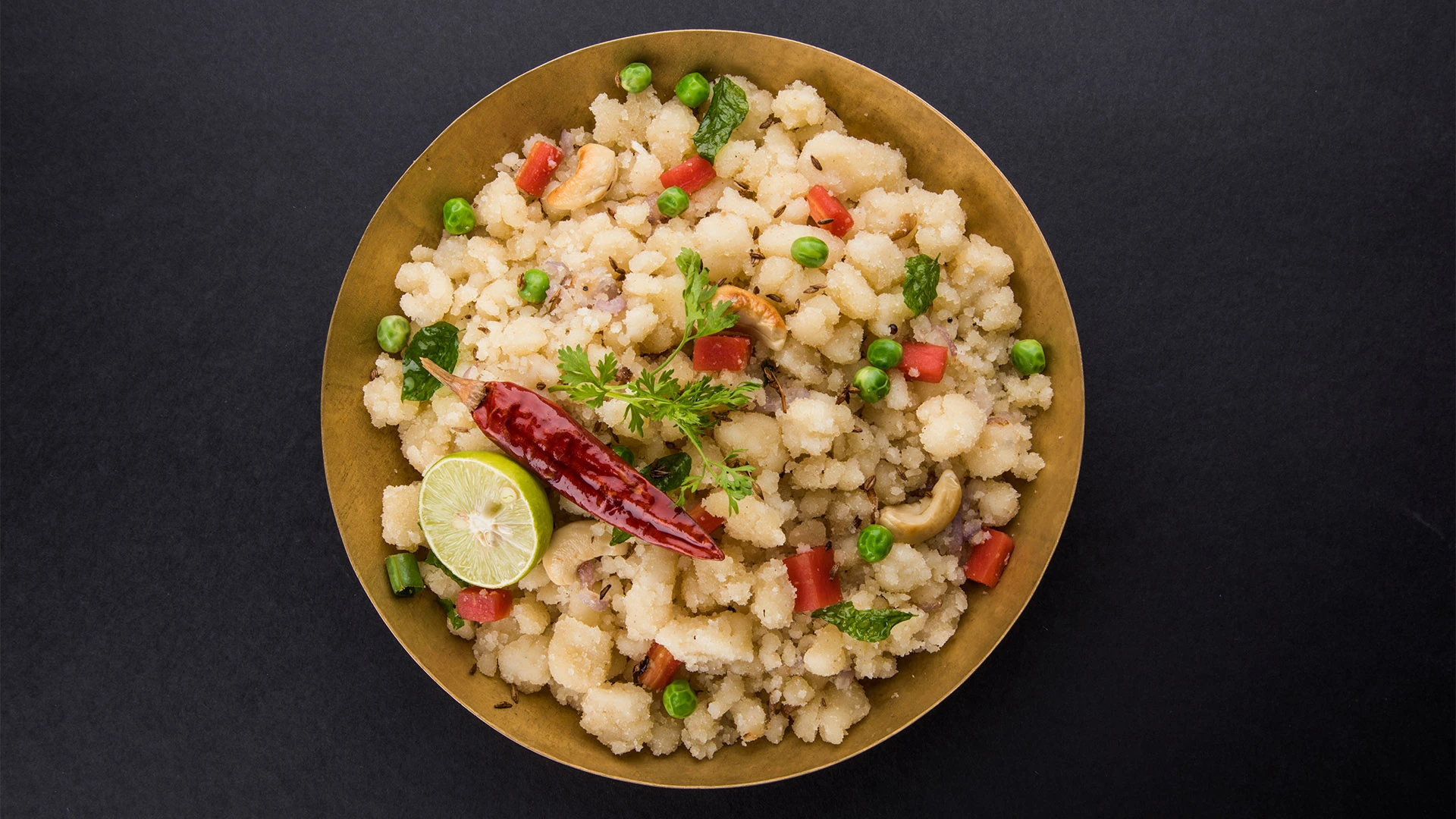
Semiya upma has quietly become the unsung hero of Indian breakfast tables. While most people focus on taste and convenience, the real question that health-conscious eaters ask is: how many calories am I actually consuming? This traditional South Indian dish, made from roasted vermicelli, vegetables, and spices, packs more nutritional complexity than meets the eye. Understanding semiya upma calories isn't just about numbers on a scale—it's about making informed choices that align with your health goals. Whether you're tracking macros, managing weight, or simply curious about what fuels your morning, this complete nutrition breakdown will give you the clarity you need to enjoy this beloved dish without compromise.
The calorie content in semiya upma varies significantly based on preparation methods, ingredients, and portion sizes. Most people underestimate the caloric impact of seemingly simple dishes, but semiya upma calories can range from a modest 150 calories to over 400 calories per serving, depending on how it's prepared.
A standard 100g serving of semiya upma contains approximately 150-210 calories. The macronutrient distribution breaks down to roughly 60% carbohydrates, 15% protein, and 25% fat. This makes it a carb-forward meal that provides quick energy, similar to other Indian breakfast staples. However, the calorie density is relatively moderate compared to fried breakfast options like parathas or puris, which can contain 250-300 calories per 100g.
One standard cup of semiya upma (approximately 200g) delivers 200-350 calories. The wide range depends on oil content, vegetable additions, and cooking methods. A restaurant-style preparation with generous ghee can push calories toward the higher end, while a home-cooked version with minimal oil stays closer to 200-250 calories. Visual cues help with portion control: one cup should fill a standard tea cup completely without overflowing.
A 200g serving provides 250-337 calories and represents a satisfying breakfast portion for most adults. This serving size offers adequate satiety without overwhelming caloric load. A larger 300g serving contains 375-505 calories, which works better for active individuals or those with higher caloric needs. The key lies in understanding your daily caloric goals and adjusting portions accordingly.
Beyond calories, semiya upma offers a complex nutritional profile that makes it more than just empty carbs. The combination of vermicelli, vegetables, and spices creates a dish that provides essential nutrients alongside energy.
Carbohydrates dominate the nutritional landscape, contributing approximately 146 calories from complex carbs that provide sustained energy release. Protein content adds about 26 calories, primarily from the vermicelli itself, though this can increase with additions like nuts or legumes. Fats contribute around 178 calories, mainly from cooking oil or ghee used during preparation. This macronutrient balance supports steady blood sugar levels better than simple carb-heavy breakfasts.
Semiya upma delivers B-vitamins, particularly B1 (thiamine) and B3 (niacin), which support energy metabolism and nervous system function. Iron content ranges from 2-4mg per serving, contributing to daily iron requirements. The fiber content varies from 2-5g depending on vegetable additions, supporting digestive health and satiety. Vegetables like carrots, peas, and onions add vitamin A, vitamin C, and additional minerals.
With approximately 1.5-2 calories per gram, semiya upma falls into the moderate calorie density category. This means you get reasonable volume and satiety for the calories consumed. The nutrient-to-calorie ratio improves significantly when loaded with vegetables, making it a smart choice for those seeking nutritional value alongside taste. Compared to processed breakfast cereals or pastries, semiya upma offers superior nutrient density.
The calorie content in semiya upma isn't fixed—several variables can dramatically alter the final count. Understanding these factors helps you control the nutritional outcome of your meal.
Cooking oil represents the single largest variable in semiya upma calories. Just one tablespoon of oil adds 120 calories, while ghee contributes 112 calories per tablespoon. Traditional recipes often call for 2-3 tablespoons, potentially adding 200-350 calories to the dish. Smart alternatives include using cooking spray, non-stick pans, or reducing oil quantity by half while maintaining flavor through spices and aromatics.
Vegetables typically add minimal calories while boosting nutritional value significantly. Onions, carrots, peas, and bell peppers contribute only 20-40 calories per cup but increase fibre, vitamins, and minerals substantially. Green vegetables like spinach or methi leaves add virtually no calories while enhancing the dish's nutritional profile. The volume from vegetables also increases satiety without proportional calorie increases.
Cashews and peanuts, common garnishes in semiya upma, pack caloric density. Two tablespoons of cashews add 90 calories, while the same amount of peanuts contributes 105 calories. Curry leaves, mustard seeds, and other tempering ingredients add negligible calories but significant flavor. Balancing taste enhancement with calorie control requires mindful portioning of high-calorie garnishes.
Weight loss doesn't require eliminating beloved foods—it requires smart modifications and portion awareness. Semiya upma can absolutely fit into a weight loss plan when prepared and portioned correctly.
Semiya upma supports weight loss goals when prepared with minimal oil and loaded with vegetables. The fibre content promotes satiety, helping control hunger between meals. The moderate calorie density means you can enjoy a satisfying portion without derailing daily caloric goals. Timing matters too—consuming semiya upma for breakfast provides energy for the day ahead, allowing time to burn those calories through daily activities.
Reducing oil from 3 tablespoons to 1 teaspoon saves approximately 280 calories per recipe. Using vegetable broth instead of water adds flavor without calories. Increasing vegetable content by 50% boosts volume and nutrients while maintaining similar calorie counts. Adding protein through sprouted moong or paneer creates a more balanced meal that supports muscle maintenance during weight loss.
Semiya upma contains fewer calories than rava upma (208 calories per 100g) and significantly less than traditional parathas (300+ calories per piece). Compared to oats upma at 172 calories per 100g, semiya upma offers similar nutritional benefits with slightly higher calories. The key advantage lies in taste satisfaction—enjoying your breakfast makes dietary adherence more sustainable long-term.
Creating a healthier version of semiya upma doesn't mean sacrificing taste. Smart ingredient choices and cooking techniques can reduce calories while enhancing nutritional value.
• 1 cup roasted vermicelli (200 calories)
• 1 teaspoon oil (40 calories)
• 1 cup mixed vegetables - carrots, peas, beans (30 calories)
• 1 medium onion, chopped (25 calories)
• 2 cups water or vegetable broth (0-10 calories)
• Spices: mustard seeds, curry leaves, ginger (5 calories)
• Salt to taste (0 calories)
Total recipe calories: 300-310 calories (150-155 calories per serving)
Heat oil in a non-stick pan and add mustard seeds until they splutter. Add curry leaves, chopped onions, and ginger, sautéing until onions turn translucent. Add mixed vegetables and cook for 3-4 minutes until slightly tender. Pour in water or broth, add salt, and bring to a boil. Gradually add roasted vermicelli while stirring continuously to prevent lumps. Cover and cook for 5-7 minutes until vermicelli absorbs liquid and becomes tender. Garnish with fresh coriander and serve hot.
For quick preparation, use pre-cut frozen vegetables and instant vermicelli. Microwave versions work well: combine all ingredients in a microwave-safe bowl, add hot water, and cook for 3-4 minutes, stirring halfway through. Meal prep enthusiasts can prepare large batches and refrigerate for up to 3 days, reheating portions as needed.
Answer: Yes, semiya upma can support weight loss when prepared with minimal oil and loaded with vegetables. A serving contains 150-250 calories, making it suitable for most weight loss diets. The key lies in portion control and preparation methods that minimize added fats.
Answer: A standard bowl (approximately 200g) contains 200-350 calories, depending on preparation method. Restaurant versions tend toward higher calories due to generous oil use, while home-cooked versions with minimal oil stay closer to 200-250 calories per bowl.
Answer: Semiya upma offers better nutritional value than processed cereals and white bread. It provides complex carbohydrates, fibre from vegetables, and essential nutrients without artificial additives. The calorie content is comparable to whole grain cereals but with superior satiety and taste satisfaction.
Answer: Morning consumption works best for weight management, providing energy for daily activities and allowing time to burn calories throughout the day. Avoid eating semiya upma late at night when metabolic rate naturally slows down.
Answer: Use cooking spray instead of oil, increase vegetable content, add spices generously for flavor, and use vegetable broth instead of water. These modifications can reduce calories by 30-40% while maintaining or even enhancing taste.
Semiya upma calories range from 150-400+ per serving, with preparation methods being the primary determining factor. Smart modifications like reducing oil, increasing vegetables, and controlling portions make this traditional dish perfectly compatible with health and weight management goals. The moderate calorie density, combined with satisfying taste and nutritional benefits, positions semiya upma as a smart breakfast choice for health-conscious individuals. Remember, sustainable nutrition isn't about perfection—it's about making informed choices that support your long-term wellness journey while still enjoying the foods you love.

