










Samosas: The Complete Nutrition Guide

Get personalised recommendations with our assessment.
Personalised Health Diagnosis (PHD)

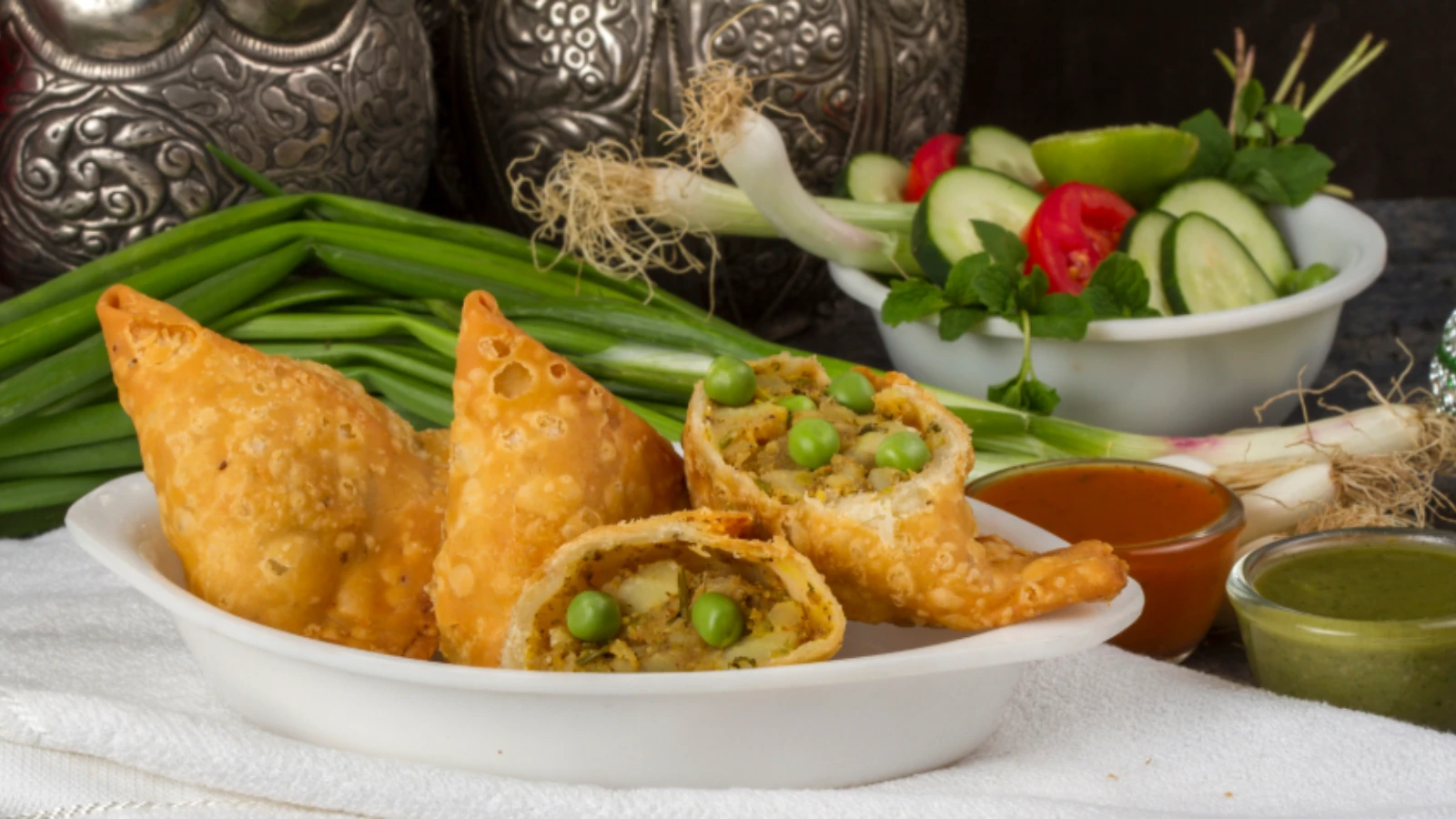
Let's be honest—samosas are irresistible. That crispy, golden exterior giving way to spiced potato goodness? Pure magic. But if you're tracking calories or trying to make smarter food choices, you've probably wondered exactly how many calories lurk in that triangular temptation. The answer isn't as straightforward as you'd think. Samosa calories vary wildly based on size, filling, and cooking method. A tiny cocktail samosa might set you back just 45 calories, while a restaurant-style giant could pack 300+ calories. Understanding these numbers helps you enjoy your favorite snack without derailing your health goals.
Here's what you need to know about how many calories in 1 samosa:
• Standard medium samosa: 150-200 calories
• Small samosa: 90-120 calories
• Large restaurant samosa: 250-300 calories
• Mini cocktail samosa: 45-60 calories
• Jumbo samosa: 350-400 calories
These numbers represent typical fried samosas with potato filling. Think of it this way: one medium samosa equals roughly the same calories as a slice of bread with butter, or about 10% of a 2000-calorie daily diet.
To put samosa calories in perspective, one medium samosa (180 calories) equals:
• 1.5 bananas
• 2 cups of popcorn
• 1 small chocolate chip cookie
• 20 minutes of brisk walking to burn off
Understanding samosa ingredients calories helps explain why these little parcels pack such a caloric punch. The calorie distribution isn't what most people expect. The pastry wrapper contributes 40-50% of total calories. That crispy exterior is made from refined flour, oil, and sometimes ghee. Even before frying, the dough itself contains significant calories from the fat used to achieve that flaky texture.
Frying adds 30-40% more calories to any samosa. During the frying process, samosas absorb oil like tiny sponges. A medium samosa can soak up 1-2 tablespoons of oil, adding 120-240 calories just from the cooking method.
The filling accounts for the remaining calories:
• Potato filling: Moderate calories from carbs and cooking oil
• Mixed vegetable: Slightly lower due to fibre content
• Meat fillings: Higher protein and fat content
• Cheese-based: Highest calorie density from dairy fats
Not all samosas are created equal. The calories in vegetable samosa differ significantly from meat varieties, and even among vegetarian options, there's considerable variation. Aloo (Potato) Samosa: 180-220 calories per piece. The classic choice features spiced potatoes with minimal added fats in the filling itself. However, potatoes are carb-dense, contributing to the higher calorie count.
Mixed Vegetable Samosa: 150-190 calories. Often contains peas, carrots, and cauliflower along with potatoes. The variety of vegetables can slightly reduce calorie density while adding fibre and nutrients. Paneer Samosa: 190-230 calories. The cottage cheese filling adds protein but also increases fat content, pushing calories higher than vegetable-only versions.
Chicken Samosa: 200-250 calories. Lean protein from chicken is offset by the cooking oils and spices used in preparation. Mutton Samosa: 220-270 calories. Higher fat content in mutton increases the calorie density compared to chicken varieties.
Sweet Samosa (with khoya, nuts, or coconut): 200-280 calories. These dessert versions often contain the highest calorie density due to added sugars and nuts.
Choosing baked over fried samosas is one of the smartest moves for healthy Indian snacks lovers. The calorie difference is substantial and worth considering. Fried samosas clock in at 180-250 calories per piece, depending on size and oil absorption. The high-heat frying process creates that beloved crispy texture but at a significant caloric cost. Baked samosas contain 120-180 calories per piece—a reduction of 25-30%. While the texture differs slightly, proper baking techniques can achieve satisfying crispiness with far less oil.
Air-fried samosas offer 100-150 calories per piece. This cooking method uses circulating hot air to crisp the exterior while requiring minimal oil—often just a light spray. The texture closely mimics traditional frying while cutting calories by 30-40%. For those seeking low calorie Indian appetizers, air-frying represents the sweet spot between health and taste.
Understanding samosa calories per piece helps you make informed decisions about portions and meal planning. Context matters when evaluating any food's place in your diet. For a 2000-calorie daily diet, one medium samosa represents about 9% of your total intake. That's reasonable for an occasional snack but adds up quickly if you're eating multiple pieces.
The mini samosa approach works brilliantly for portion control. Three mini samosas (135-180 calories total) can satisfy cravings while keeping calories in check. This strategy provides variety and the psychological satisfaction of eating "multiple" pieces. Timing matters too. Enjoying samosas as part of a meal rather than standalone snacks helps with satiety and prevents overconsumption. Pairing with protein-rich sides or salads creates a more balanced nutritional profile.
Samosas sit in the middle range for calories in Indian food snacks:
• Bhel puri: 200-250 calories per serving
• Pakoras (4 pieces): 180-220 calories
• Dhokla (2 pieces): 150-180 calories
• Kachori: 220-280 calories
• Vada pav: 300-350 calories
Absolutely—with smart strategies. Weight loss doesn't require eliminating foods you love; it requires understanding how they fit into your overall plan. The key lies in frequency and preparation method. Enjoying one baked samosa weekly as part of a balanced diet won't derail weight loss efforts. The problem arises with frequent consumption or large portions.
Choose mini samosas when possible. The smaller size naturally limits calories while still providing satisfaction. Three mini samosas feel more indulgent than one regular samosa despite similar calories. Opt for baked or air-fried versions when available. Many restaurants now offer these healthier preparations, and they're easy to make at home. Balance your day around samosa consumption. If you know you'll enjoy samosas in the evening, plan lighter meals earlier to accommodate the extra calories.
Making samosas at home allows complete control over ingredients and cooking methods. Use whole wheat flour for the wrapper to add fiber. Experiment with vegetable-heavy fillings that provide volume without excessive calories. Steaming before light baking creates crispy exteriors with minimal oil. This technique reduces calories while maintaining appealing textures.
Answer: Two medium samosas contain approximately 300-400 calories, depending on size and preparation method. This represents about 15-20% of a standard 2000-calorie daily diet.
Answer: One aloo (potato) samosa contains 180-220 calories. The potato filling provides carbohydrates and some fibre, while the fried wrapper contributes most of the fat calories.
Answer: Samosas have moderate to high calorie density. At 150-200 calories per piece, they're more caloric than fruits or vegetables but less than many processed snacks or desserts.
Answer: To burn off one medium samosa (180 calories), you'd need approximately 20 minutes of brisk walking, 15 minutes of cycling, or 8 minutes of running at moderate pace.
Answer: Baked vegetable mini samosas are the lowest calorie option, containing just 45-60 calories each. Air-fried versions are also excellent low-calorie alternatives.
Answer: A small samosa contains 90-120 calories. The reduced size significantly cuts calories while still providing the flavors and textures you crave.
Samosa calories range from 45-400 depending on size, filling, and cooking method. Understanding these variations empowers you to make choices that align with your health goals without sacrificing enjoyment. The cooking method makes the biggest difference in calorie content. Choosing baked or air-fried versions can cut calories by 25-40% while maintaining satisfying flavors and textures. Portion control remains your most powerful tool. Mini samosas, occasional indulgence, and balancing your daily intake allow you to enjoy these beloved snacks as part of a healthy lifestyle. Remember, no single food makes or breaks a diet—it's the overall pattern that matters most.

Someone sent you
Error
Powered by ReferRush