










Samosas Decoded: Nutrition Facts Revealed

Get personalised recommendations with our assessment.
Personalised Health Diagnosis (PHD)
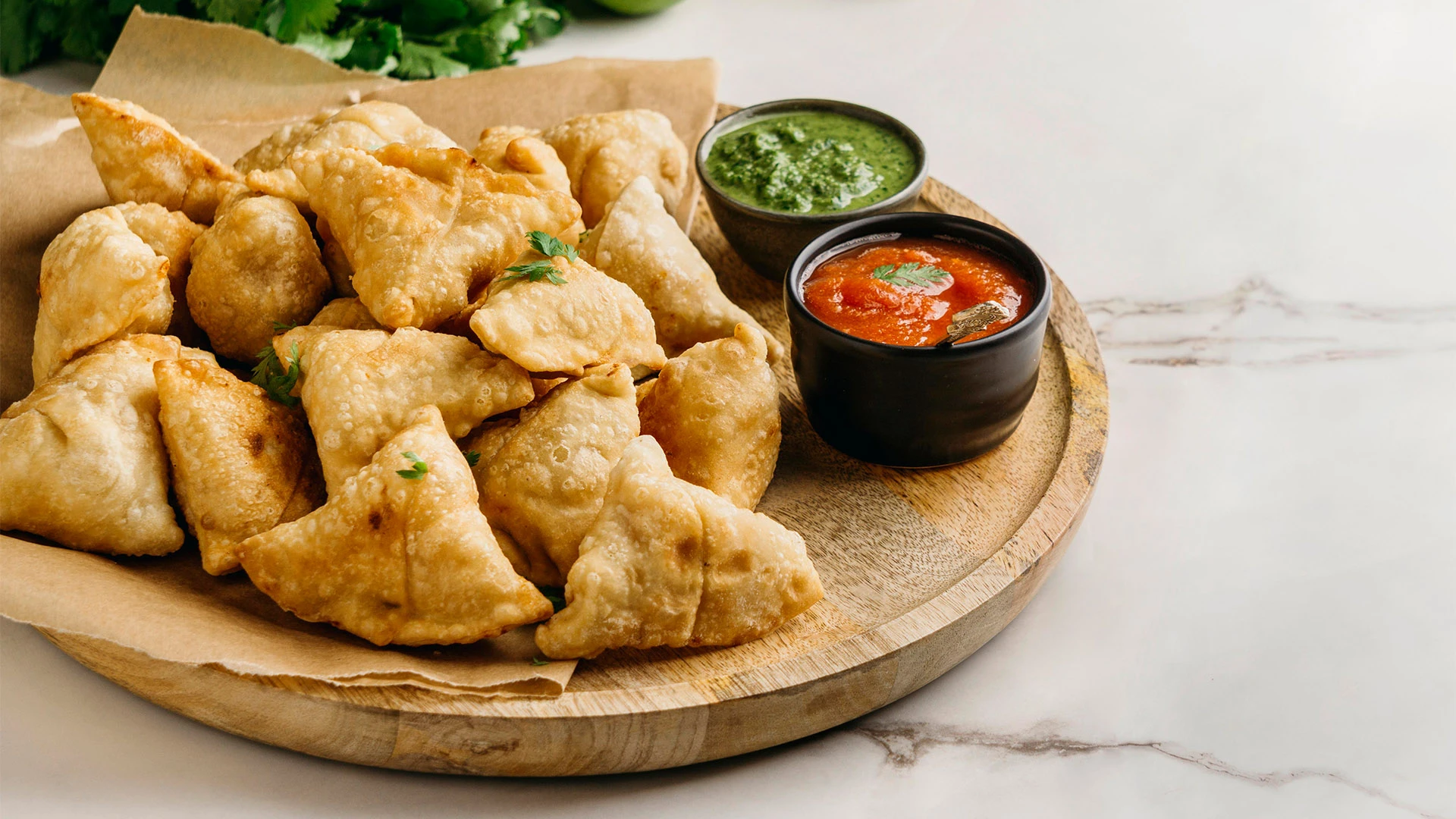
That crispy, golden triangle sitting on your plate might look innocent, but have you ever wondered exactly how many calories are packed into that delicious samosa? Whether you're trying to maintain a healthy lifestyle or simply curious about what you're consuming, understanding samosa calories is crucial for making informed food choices. The truth is, that single samosa can range anywhere from 130 to 300+ calories depending on its size, filling, and preparation method. Let's break down everything you need to know about samosa nutrition facts, so you can enjoy this beloved Indian snack without any guesswork.
The calories in one samosa vary significantly based on several factors, but here's your quick answer. A small samosa weighing around 30 grams typically contains 130-150 calories. Medium-sized samosas, which are the most common serving size at restaurants and weigh between 40-50 grams, pack about 170-200 calories. Large samosas that weigh 60 grams or more can contain a hefty 250-300+ calories per piece. The calorie count isn't just about size though. The cooking method plays a massive role in determining the final calorie content. Deep-fried samosas absorb significantly more oil compared to baked or air-fried versions, which directly impacts the total calories. The type of filling also matters - vegetable samosas generally contain fewer calories than meat-filled varieties due to differences in fat content and density.
Understanding the calorie breakdown across different samosa types helps you make better choices based on your dietary goals. The variation in calories isn't just random - it's directly tied to ingredients, preparation methods, and portion sizes.
The classic potato (aloo) samosa remains the most popular variety, containing approximately 150-250 calories per piece. Mixed vegetable samosas with ingredients like peas, carrots, and cauliflower typically fall within the same range. When analyzed per 100 grams, samosas contain about 308 calories, making them a calorie-dense snack option.
Meat-filled samosas pack more calories due to their higher protein and fat content. A chicken samosa weighing 50 grams contains approximately 215 calories. Lamb or mutton samosas tend to be even higher in calories due to the increased fat content in red meat. The protein content in meat samosas is notably higher, but so is the overall calorie density.
Restaurant-style deep-fried samosas typically contain 250-300+ calories per piece due to generous oil usage and larger portion sizes. Homemade traditional samosas usually range between 150-200 calories as you can control the oil quantity and ingredients. Street vendor samosas vary widely but often fall somewhere between homemade and restaurant versions.
Looking beyond just calories, understanding the complete nutritional profile of samosas helps you see the bigger picture. The macronutrient distribution in a typical samosa reveals some interesting insights about this popular snack.
In a standard medium-sized samosa, carbohydrates contribute about 32 calories (roughly 35% of total calories), primarily from the refined flour wrapper and potato filling. Proteins provide approximately 6 calories (about 7% of total calories), which is relatively low compared to other macronutrients. The most significant contributor is fat, accounting for 71 calories (around 58% of total calories), mainly from the deep-frying oil.
The maida (refined flour) used in samosa wrappers contributes significantly to the carbohydrate content. However, the real calorie bomb comes from oil absorption during deep frying - this single factor accounts for nearly 60% of the total calories. Potato filling adds both carbohydrates and some fiber, while spices and seasonings have minimal calorie impact but enhance flavor significantly.
You don't have to completely give up samosas to maintain a healthy diet. Several preparation methods and ingredient swaps can significantly reduce the calorie content while preserving the taste you love.
Air-fried samosas contain approximately 120-150 calories, representing a 30-40% reduction compared to deep-fried versions. Baked samosas offer similar calorie savings while maintaining the crispy texture. The key difference lies in oil absorption - baked and air-fried samosas use minimal oil, dramatically reducing the fat content.
Substituting whole wheat flour for maida increases fibre content and provides better nutritional value. Using healthier cooking oils or reducing oil quantity can cut calories significantly. Experimenting with vegetable-heavy fillings like spinach, cabbage, or cauliflower can reduce calories while boosting nutrient density. Portion control remains crucial - making smaller samosas naturally reduces calorie intake per piece.
The question isn't whether you can eat samosas during weight loss, but rather how to incorporate them smartly into your diet plan. Understanding portion sizes and frequency makes all the difference.
A single medium samosa represents about 5% of a 2000-calorie daily diet, which isn't excessive when consumed occasionally. For weight loss, limiting samosa consumption to once or twice per week works well for most people. Focus on portion control - stick to one samosa rather than multiple pieces, and pair it with lighter foods like salad or yogurt.
Ragi samosas offer better nutritional value with added fibre and minerals. Steamed options like idli or dhokla provide satisfying alternatives with significantly fewer calories. When comparing Indian snacks, samosas rank higher in calories than options like roasted chana or baked mathri, but lower than fried items like pakoras or jalebis.
Two medium-sized samosas contain approximately 340-400 calories, which is nearly 20% of a standard 2000-calorie diet. This makes portion control especially important.
Adding mint or tamarind chutney increases the total by 15-25 calories per tablespoon. Sweet chutneys can add even more due to sugar content.
Samosas fall into the processed food category due to deep frying and refined flour. However, homemade baked versions with vegetable fillings can be part of a balanced diet when consumed in moderation.
Diabetics should limit samosa consumption due to refined flour and potential blood sugar spikes. Baked versions with whole wheat flour and vegetable fillings are better options when consumed occasionally.
Consuming samosas during lunch or as an evening snack allows more time for metabolism. Avoid eating them late at night when metabolic rate naturally slows down.
A 30-minute brisk walk burns approximately 150-200 calories, roughly equivalent to one medium samosa. High-intensity activities like running or cycling can burn these calories in 15-20 minutes.
Enjoyment and health consciousness don't have to be mutually exclusive. With the right strategies, you can savor samosas while maintaining your wellness goals.
Stick to single samosa servings rather than multiple pieces. Pair your samosa with fresh salad or plain yogurt to increase satiety without adding many calories. Practice mindful eating by savoring each bite slowly, which helps you feel satisfied with smaller portions.
Limit samosa consumption to special occasions or once weekly as part of a balanced eating plan. Balance higher-calorie snacks like samosas with lighter meals throughout the day. Consider samosas as an occasional treat rather than a regular snack option, similar to how we approach desserts.
Understanding samosa calories empowers you to make informed dietary choices without completely eliminating foods you enjoy. A typical samosa contains 150-250 calories, with the majority coming from oil absorption during deep frying. Baked and air-fried alternatives can reduce calories by 30-40% while maintaining taste and texture. Moderation remains key - enjoying samosas occasionally as part of a balanced diet won't derail your health goals. Focus on portion control, choose healthier preparation methods when possible, and balance indulgent snacks with nutrient-dense foods throughout your day.

