










Roti Protein: Everything You Need to Know

Get personalised recommendations with our assessment.
Personalised Health Diagnosis (PHD)
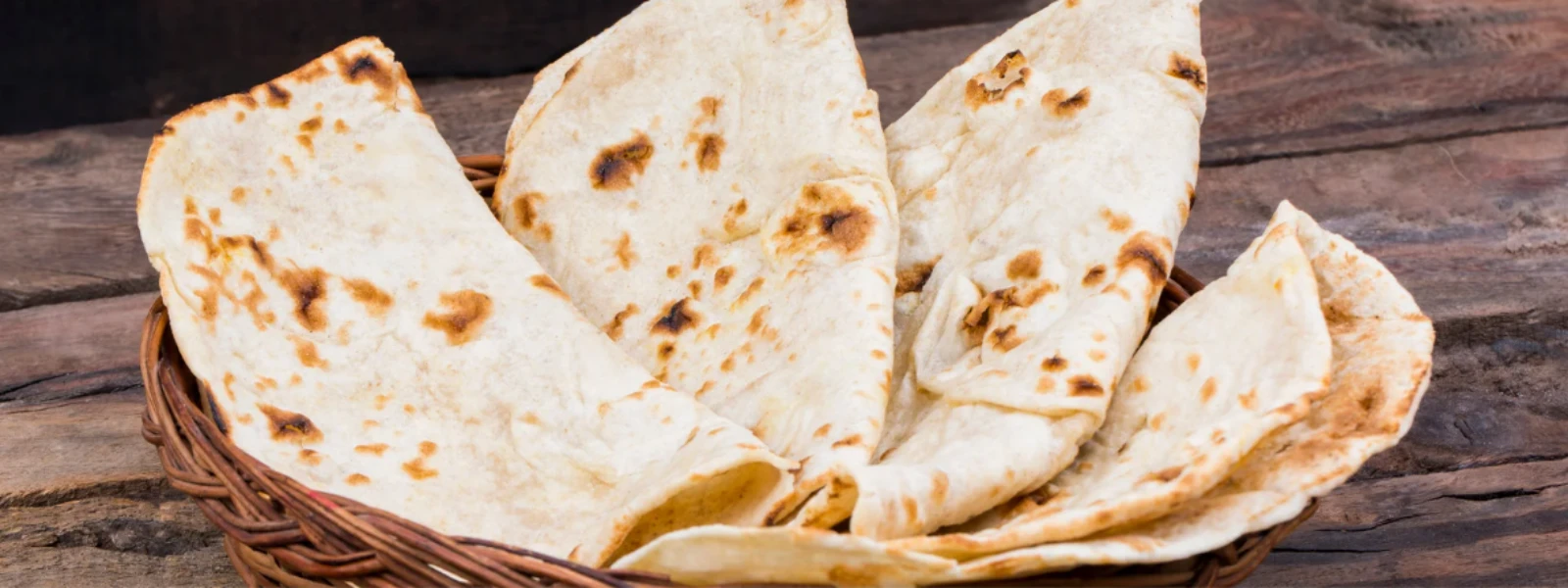
That humble roti sitting on your plate isn't just comfort food—it's a protein powerhouse hiding in plain sight. While most people obsess over exotic superfoods and expensive supplements, they're missing the nutritional goldmine that's been fueling Indian households for centuries. But here's the thing: not all rotis are created equal when it comes to protein content. The flour you choose, how you prepare it, and what you pair it with can dramatically impact how much muscle-building protein you're actually getting. Let's decode the real protein story behind India's most beloved bread.
A standard whole wheat roti weighing about 40 grams delivers approximately 2.5 to 4 grams of protein. That might sound modest, but consider this: most Indians consume 4-6 rotis daily, which translates to 10-24 grams of protein just from this staple alone. The protein content varies based on several factors. Size matters—a larger roti obviously contains more protein. The type of flour makes a significant difference too. A typical medium-sized roti provides roughly 70-120 calories, with protein accounting for about 12-15% of those calories. This makes roti a surprisingly efficient protein source when you factor in its affordability and accessibility.
To put this in perspective, one roti contains similar protein to half a cup of milk or a small handful of nuts. While it's not a complete protein source on its own, roti becomes nutritionally powerful when paired with complementary foods like dal or vegetables.
Not all rotis pack the same protein punch. The flour you choose can double or even triple your protein intake from this simple bread. Understanding these differences helps you make smarter choices for your nutritional goals. Whole wheat roti remains the gold standard, delivering 2.5-3.5 grams of protein per piece. But venture beyond basic wheat, and the protein numbers get interesting. Multigrain rotis, made with a blend of wheat, oats, and other grains, bump up the protein to 4-5 grams per roti.
Besan (chickpea flour) roti emerges as the clear winner, providing 6-7 grams of protein per piece. This legume-based flour doesn't just increase protein—it also improves the amino acid profile, making it closer to a complete protein. Ragi roti offers about 3 grams of protein along with impressive calcium content. Bajra (pearl millet) roti delivers 4-5 grams of protein and brings additional benefits like better digestibility and sustained energy release.
Wheat protein is considered incomplete because it's low in lysine, an essential amino acid. However, when you combine wheat-based rotis with legumes like dal, you create a complete protein profile that rivals animal sources. This traditional Indian combination isn't just delicious—it's nutritionally brilliant.
Protein is just one piece of roti's nutritional puzzle. Understanding the complete macronutrient breakdown helps you see why this simple bread has sustained entire civilizations. A standard 40-gram roti contains 15-18 grams of carbohydrates, providing steady energy without the blood sugar spikes associated with refined breads. The fibre content ranges from 2-4 grams, supporting digestive health and satiety. Fat content remains minimal at 0.5-2 grams, unless you add ghee or oil during preparation.
Rotis deliver essential B-vitamins, particularly thiamine and niacin, crucial for energy metabolism. Iron content supports oxygen transport, while magnesium aids muscle function and bone health. The phosphorus in roti works alongside calcium for strong bones and teeth. Whole wheat rotis retain more nutrients compared to refined flour versions. The bran and germ contain most of the vitamins and minerals, making whole grain choices significantly more nutritious.
The protein showdown between roti and commercial bread reveals some surprising truths. While a slice of whole wheat bread contains roughly 3-4 grams of protein, similar to roti, the quality and processing differences matter significantly. Commercial breads often contain added preservatives, sugars, and processing aids that can interfere with nutrient absorption. Roti, made fresh with minimal ingredients, offers cleaner nutrition. The glycemic index of roti is generally lower than most commercial breads, providing more stable blood sugar levels.
From a practical standpoint, roti wins hands down. The cost per gram of protein from homemade roti is significantly lower than packaged bread. Plus, you control the ingredients, ensuring no unwanted additives or excessive sodium. Digestibility also favors roti. The fermentation-free preparation and simpler ingredient list make it easier on the digestive system for most people.
Strategic roti consumption can significantly boost your daily protein intake. The key lies in understanding realistic expectations and smart enhancement techniques. For an average adult requiring 50-60 grams of protein daily, 6-8 rotis would contribute about 15-32 grams—roughly 25-50% of daily needs. This makes roti a substantial protein contributor, especially when enhanced with high-protein flours or add-ins.
Blending chickpea flour with wheat flour in a 1:3 ratio can increase protein content by 40-50% without significantly altering taste or texture. Adding ground flaxseeds or chia seeds provides both protein and healthy omega-3 fatty acids. For those serious about muscle gain, incorporating a small amount of unflavored protein powder into the dough can dramatically boost protein content. Our Unflavoured Protein works perfectly for this purpose, seamlessly blending into the flour without affecting taste.
Cooking method impacts protein retention. Moderate heat preserves more nutrients than high-temperature cooking. Avoid overcooking, which can denature proteins and reduce their biological value. Fresh preparation beats storage every time. While stored rotis remain safe to eat, their protein quality and overall nutritional value diminish over time.
How you eat roti matters as much as what type you choose. Strategic pairing and timing can optimize protein absorption and utilization. The classic roti-dal combination creates a complete protein profile with all essential amino acids. This pairing provides biological value comparable to animal proteins. Adding a small amount of ghee enhances fat-soluble vitamin absorption and provides sustained energy.
Pairing roti with yogurt, paneer, or vegetables creates synergistic nutritional effects. The calcium in dairy products aids protein synthesis, while the fiber in vegetables slows digestion, allowing better nutrient absorption. Timing your roti consumption around workouts can maximize muscle protein synthesis. Consuming protein-rich rotis within 2 hours post-exercise supports muscle recovery and growth.
Avoiding certain combinations improves protein utilization. Excessive tea or coffee with meals can inhibit iron absorption. High-fibre foods, while healthy, can interfere with protein absorption when consumed in large quantities simultaneously.
The protein content remains the same at 2.5-4 grams, but ghee adds healthy fats that improve the absorption of fat-soluble vitamins and provide sustained energy. The ghee doesn't increase protein but enhances overall nutritional value.
Wheat-based roti provides incomplete protein as it's low in lysine. However, combining it with legumes like dal creates a complete protein profile with all essential amino acids.
For muscle gain, aim for 6-8 protein-enhanced rotis daily alongside other protein sources. This provides 20-35 grams of protein from rotis alone, supporting muscle protein synthesis when combined with resistance training.
Yes, adding 1-2 tablespoons of unflavored protein powder to roti dough significantly boosts protein content without affecting taste. This can increase protein per roti to 6-8 grams.
Chickpea flour (besan) provides the highest protein at 6-7 grams per roti. Soy flour and quinoa flour also offer high protein, but chickpea flour provides the best taste and texture combination.
Roti contains significantly more protein than rice. One roti provides 2.5-4 grams of protein, while an equivalent serving of rice contains only 1-2 grams.
Roti deserves recognition as a legitimate protein source in your daily nutrition plan. While a single roti provides 2.5-4 grams of protein, strategic choices in flour type and preparation methods can significantly enhance this number. The real power of roti lies not just in its protein content, but in its role as part of complete, balanced meals that have sustained healthy populations for generations. By understanding how to maximize roti's protein potential through smart flour choices, proper preparation, and strategic pairing with complementary foods, you can transform this humble bread into a powerful tool for meeting your nutritional goals.

