










Roti Protein Content: Your Complete Nutrition Guide

Get personalised recommendations with our assessment.
Personalised Health Diagnosis (PHD)
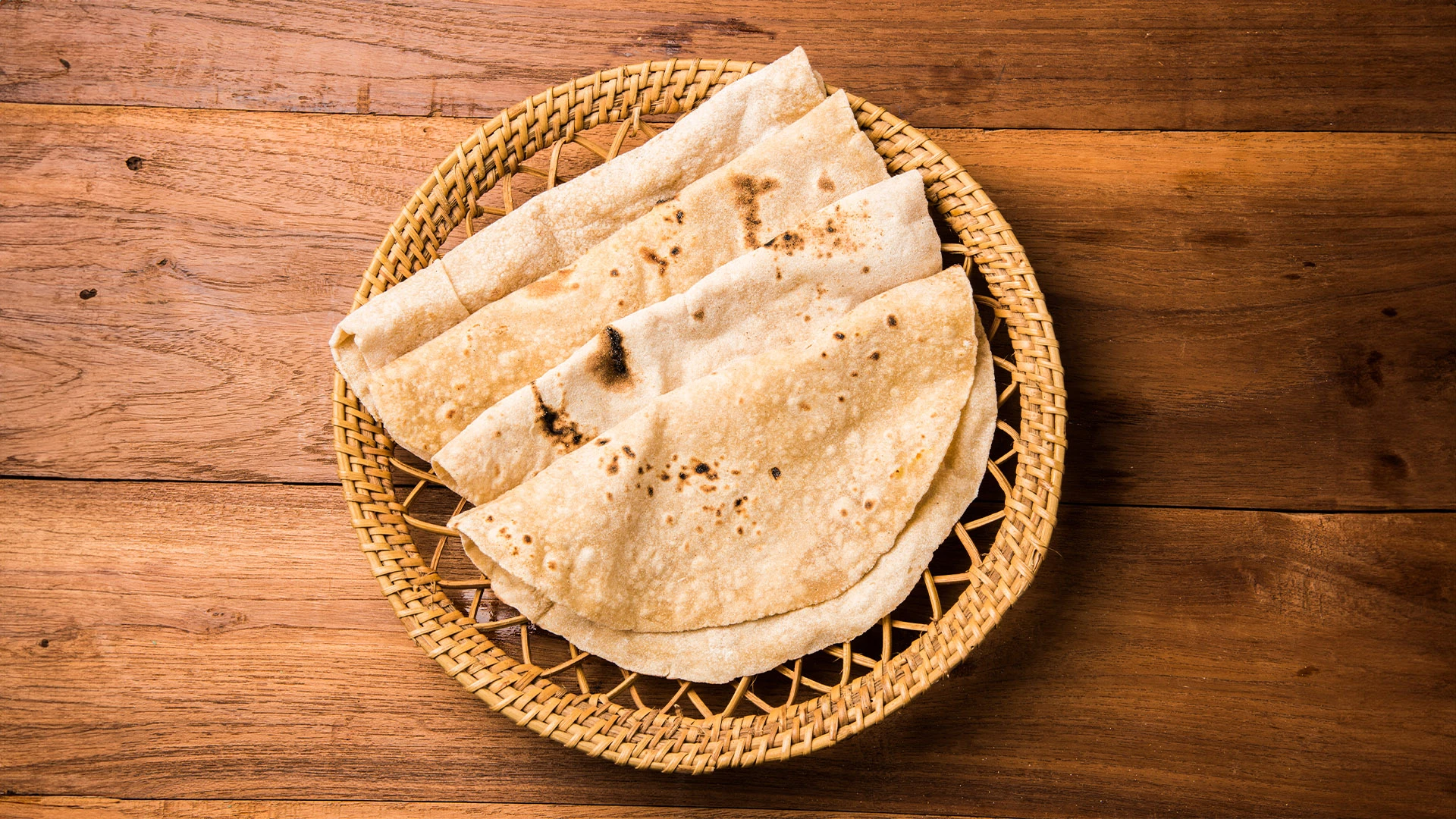
Ever wondered why your grandmother insisted on fresh rotis every meal? Beyond tradition lies solid nutrition science. That humble chapati on your plate packs more nutritional punch than most people realize. While roti might seem like just another carb, it's actually a decent protein source that's been fueling Indian families for centuries. But here's the thing—most people have no clue about the actual protein content in their daily rotis. Whether you're tracking macros, building muscle, or simply trying to eat better, understanding roti protein content can transform how you view this staple food. Let's break down the real numbers and discover how to maximize the protein power of your daily bread.
The protein content in roti varies significantly based on several factors, but let's start with the baseline numbers. A standard medium-sized whole wheat roti weighing about 40 grams contains approximately 2.5 to 3.1 grams of protein. This might not sound like much, but when you consider that most people eat 2-4 rotis per meal, the protein adds up quickly.
Whole wheat roti leads the pack when it comes to chapati protein content. Per 100 grams, you're looking at 7.85 to 9.61 grams of protein—not bad for what many consider just a carbohydrate source. Multi-grain rotis can bump this number up even higher, especially when they include protein-rich flours like chickpea or lentil flour. The size and thickness of your roti directly impact its protein content. A thin, restaurant-style chapati might only give you 2 grams of protein, while a thick, homemade version could deliver up to 4 grams. This is why understanding portion sizes matters when calculating your daily protein intake.
Flour type makes the biggest difference in atta protein levels. Whole wheat flour naturally contains more protein than refined flour because the protein-rich germ and bran layers remain intact. The preparation method also plays a role—while adding ghee or oil doesn't change the protein content, it can affect how your body absorbs the nutrients. Interestingly, the freshness of your flour matters too. Freshly ground atta retains more of its nutritional value, including protein, compared to flour that's been sitting on shelves for months.
Not all flours are created equal when it comes to protein content. Understanding the differences can help you make smarter choices for your Indian bread protein needs. The type of wheat, processing method, and even the region where it's grown can influence the final protein numbers in your roti.
Whole wheat roti nutrition goes beyond just protein. Each medium roti provides a complete package of nutrients including complex carbohydrates, dietary fiber, B vitamins, iron, and magnesium. The protein quality in wheat is considered incomplete because it's low in lysine, an essential amino acid. However, this is easily remedied by pairing rotis with legumes like dal or chickpeas. The amino acid profile of wheat protein includes adequate amounts of most essential amino acids except lysine. This is why traditional Indian meals always include dal or other legumes—our ancestors understood protein complementation long before nutritionists gave it a fancy name.
Chickpea flour rotis can boost your protein intake by up to 20% compared to regular wheat rotis. Besan contains about 22 grams of protein per 100 grams, making it an excellent choice for those looking to increase their protein without changing their meal structure. Millet flours, particularly ragi (finger millet), offer complete protein profiles with all essential amino acids. Quinoa and amaranth flours are premium alternatives that can double your roti's protein content, though they come with a higher price tag. Mixed flour combinations work brilliantly for boosting protein. A 70:20:10 ratio of wheat flour, chickpea flour, and flaxseed meal can increase protein content by 40% while maintaining the familiar taste and texture of traditional rotis.
Making rotis at home gives you complete control over their nutritional profile. Unlike store-bought options, protein in homemade roti can be enhanced through simple ingredient additions and preparation techniques. The beauty lies in the flexibility—you can customize each batch based on your specific protein goals.
Adding milk or yogurt to your roti dough can increase protein content by 40-50%. Replace water with buttermilk or add 2-3 tablespoons of Greek yogurt per cup of flour. This not only boosts protein but also makes the rotis softer and more digestible. Seed and nut incorporation works wonders for protein enhancement. Ground flaxseeds, chia seeds, or almond flour can be mixed into the dough at a 10-15% ratio without significantly altering taste or texture. These additions provide complete proteins and healthy fats. Legume flour blending is perhaps the most cost-effective way to boost protein. Adding 20-30% chickpea flour or lentil flour to your wheat flour creates protein-rich rotis that taste great and keep you fuller longer.
A high-protein multi-grain roti recipe might include 60% whole wheat flour, 25% chickpea flour, 10% ragi flour, and 5% ground flaxseeds. This combination delivers nearly 5 grams of protein per medium roti—almost double the standard amount. Protein-enriched stuffed rotis take things to the next level. Paneer-stuffed rotis can provide 8-10 grams of protein per piece, while dal-stuffed versions offer complete amino acid profiles. Even egg-incorporated rotis (popular in some regions) can deliver 6-8 grams of high-quality protein. Fermented roti options, though less common, offer both probiotic benefits and slightly higher protein bioavailability. The fermentation process breaks down some proteins into more easily absorbed forms.
Understanding complete roti nutrition facts helps you make informed decisions about portion sizes and meal planning. Beyond protein, rotis provide sustained energy through complex carbohydrates and contribute to daily fiber intake. The calorie content varies based on size, thickness, and preparation method.
A standard roti contains 80-120 calories, with protein contributing about 10-15% of these calories. The remaining calories come from carbohydrates (70-80%) and a small amount from fat (5-10%). Adding ghee increases the calorie count by 40-50 calories per teaspoon but doesn't significantly change the protein content. The carbohydrate content in rotis is primarily complex carbs, which provide sustained energy release. The fiber content (2-3 grams per roti) helps slow down digestion and keeps blood sugar levels stable. This makes rotis a better choice than refined bread for managing energy levels throughout the day. Micronutrient-wise, rotis provide B vitamins (especially thiamine and niacin), iron, magnesium, and phosphorus. These nutrients support energy metabolism and help your body utilize the protein effectively.
For weight loss, the protein in roti contributes to satiety and helps maintain muscle mass during calorie restriction. The fiber content also aids in feeling full, reducing the likelihood of overeating. Portion control becomes easier when you understand that 2-3 rotis can provide 6-9 grams of protein along with complex carbs. Daily roti consumption guidelines suggest that 4-6 rotis per day can be part of a healthy diet for most adults. This provides 10-18 grams of protein from rotis alone, which should be complemented with other protein sources to meet daily requirements. Protein timing optimization involves spreading roti consumption throughout the day rather than concentrating it in one meal. This ensures steady amino acid availability for muscle protein synthesis and better blood sugar management.
The roti benefits extend far beyond just protein content. This traditional Indian bread offers a complex nutritional profile that supports overall health and daily vitality. Understanding these broader benefits helps appreciate why rotis have remained a dietary staple for thousands of years.
Digestive health support comes from the fiber content in whole wheat rotis. The insoluble fiber promotes healthy gut bacteria growth and regular bowel movements. The prebiotic effects of wheat fiber feed beneficial gut microbes, supporting overall digestive wellness. Energy sustainability is another key benefit. The complex carbohydrates in rotis provide steady glucose release, avoiding the energy spikes and crashes associated with refined carbs. This makes rotis ideal for sustained physical and mental performance throughout the day. Heart health contributions come from the whole grain nature of rotis. Regular consumption of whole wheat products has been linked to reduced cardiovascular disease risk. The fiber helps manage cholesterol levels, while the magnesium supports healthy blood pressure.
Traditional Indian diet balance naturally incorporates protein complementation. The classic combination of roti with dal creates a complete amino acid profile, providing all essential amino acids needed for optimal health. This traditional wisdom aligns perfectly with modern nutritional science. Meal planning strategies can optimize protein distribution by including rotis at different meals. Having 2 rotis at lunch with dal and vegetables, followed by 1-2 rotis at dinner with curry, ensures steady protein intake throughout the day. Budget-friendly protein source analysis shows that rotis provide excellent value for money. At roughly 2-3 rupees per roti, you're getting quality protein, complex carbs, and essential nutrients at a fraction of the cost of processed foods.
Answer: A standard whole wheat roti (40g) contains 2.5-3.1 grams of protein, varying by flour type and preparation method. Multi-grain rotis can contain up to 4 grams of protein per piece.
Answer: Two medium chapatis provide approximately 5-6 grams of protein, contributing 10-12% of daily protein needs for average adults. This amount increases significantly when paired with protein-rich accompaniments like dal.
Answer: Whole wheat roti contains 7.85-9.61g protein per 100g, making it a moderate protein source compared to other grains. This is higher than rice but lower than legumes or meat sources.
Answer: Adding ghee doesn't significantly change protein content (still 3-4g) but increases calories by 40-50 per teaspoon. The ghee may help with fat-soluble vitamin absorption but doesn't add protein.
Answer: Yes, 5 rotis daily can be part of a balanced diet, providing 12-15g protein and 400-600 calories, if combined with protein-rich accompaniments. This amount fits well within most people's daily carbohydrate and calorie needs.
Answer: Roti protein is incomplete as it's low in lysine, an essential amino acid. However, combining rotis with legumes like dal creates a complete amino acid profile, which is why traditional Indian meals always include both.
Roti protein content might seem modest at 2.5-3.1 grams per piece, but it adds up quickly in typical Indian meal patterns. The real power lies in understanding how to enhance this protein through smart flour choices, preparation methods, and meal combinations. Whether you're using chickpea flour blends, adding seeds and nuts, or simply pairing your rotis with dal, there are numerous ways to boost the protein power of this traditional bread. The beauty of rotis lies in their versatility and accessibility. They provide steady energy, decent protein, essential nutrients, and cultural connection—all at an affordable price point. For optimal daily vitality, focus on whole grain varieties, experiment with protein-enhancing ingredients, and remember that the traditional practice of combining rotis with legumes creates nutritionally complete meals. Your grandmother's insistence on fresh rotis wasn't just about taste—it was about nourishing the body with time-tested nutrition wisdom.

