










Roti and Protein: Everything You Need to Know

Get personalised recommendations with our assessment.
Personalised Health Diagnosis (PHD)
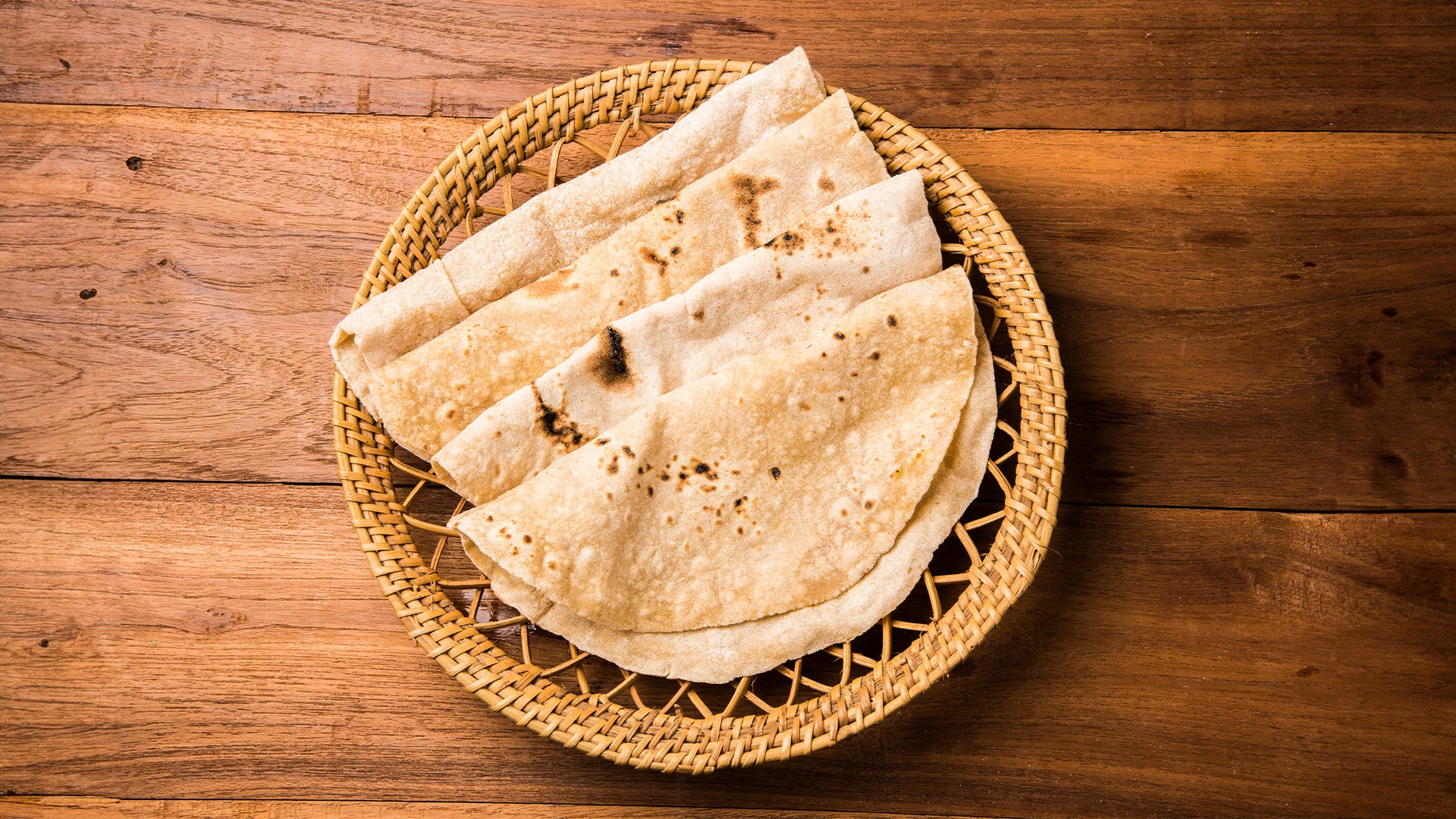
Let's get real about roti protein content. While your grandmother might swear by rotis as the ultimate health food, the truth about their protein punch might surprise you. Most people assume these beloved Indian flatbreads are protein powerhouses, but the reality is more nuanced. A single medium roti contains just 2.5-3 grams of protein—hardly the muscle-building miracle many believe it to be. Yet, understanding roti's actual nutritional profile helps you make smarter choices about incorporating this staple into your daily nutrition plan. Whether you're tracking macros, building muscle, or simply want to optimize your Indian diet, knowing exactly how much protein lurks in your roti stack is crucial for hitting your health goals.
Here's the straight answer you've been searching for: one medium-sized roti (approximately 30 grams) contains 2.5 to 3 grams of protein. That's it. No marketing fluff, no inflated claims—just the facts. To put this in perspective, you'd need to consume roughly 17-20 rotis to meet the daily protein requirement for an average adult. That's neither practical nor healthy, considering the massive carbohydrate load you'd be taking on.
Not all rotis are created equal. The protein content varies significantly based on size:
• Small roti (20g): 1.5-2 grams protein
• Medium roti (30g): 2.5-3 grams protein
• Large roti (40g): 3-4 grams protein
• Extra-large roti (50g): 4-5 grams protein
Nutritionally speaking, 100 grams of roti contains approximately 7.85 grams of protein. This standardized measurement helps you calculate exact protein intake regardless of roti size variations.
While protein gets all the attention, roti's complete nutritional profile tells a more complex story. Understanding these numbers helps you see where roti truly fits in your nutrition strategy. A medium roti delivers approximately 70-120 calories, with the majority coming from carbohydrates (around 22 grams). The fiber content sits at roughly 3 grams, while fat content remains minimal at 0.5-1 gram. This macro breakdown clearly positions roti as a carbohydrate-focused food, not a protein source.
Whole wheat rotis pack several essential micronutrients:
• Iron: Supports oxygen transport and energy metabolism
• B-vitamins: Crucial for nervous system function
• Magnesium: Important for muscle and nerve function
• Phosphorus: Essential for bone health
With roughly 25-40 calories per gram of protein, roti falls short of efficient protein sources. Compare this to eggs (17 calories per gram of protein) or lean chicken (20 calories per gram), and you'll understand why nutrition experts don't classify roti as a high-protein food.
Several factors determine exactly how much protein ends up in your roti. Understanding these variables helps you make informed choices about preparation and ingredients. The type of flour used creates the biggest impact on protein content. Whole wheat flour naturally contains more protein than refined white flour, while alternative flours can dramatically alter the protein profile.
Different flours deliver vastly different protein amounts:
• Whole wheat flour: 7.85g protein per 100g
• Refined white flour: 6-7g protein per 100g
• Chickpea flour (besan): 20-22g protein per 100g
• Quinoa flour: 14-16g protein per 100g
• Soy flour: 35-40g protein per 100g
Adding chickpea flour to your roti dough can triple the protein content. A 50-50 mix of wheat and chickpea flour can boost protein to 6-8 grams per roti, making it a more viable protein contributor.
Thickness, cooking method, and added ingredients all influence final protein content. Thicker rotis naturally contain more protein due to increased flour quantity, while additions like milk powder or yogurt in the dough can provide modest protein boosts.
Let's address the elephant in the room: can roti actually support muscle building goals? The answer requires understanding both protein quantity and quality. Roti protein is considered incomplete, lacking adequate amounts of certain essential amino acids, particularly lysine. This means your body can't efficiently use roti protein for muscle synthesis without combining it with complementary protein sources.
Most active adults need 0.8-1.2 grams of protein per kilogram of body weight daily. For a 70kg person, that's 56-84 grams of protein. Even consuming 5 rotis daily would only provide 12-15 grams—roughly 20-25% of daily protein needs.
Wheat protein lacks sufficient lysine, an essential amino acid crucial for muscle protein synthesis. Without adequate lysine, your body cannot effectively utilize the protein for muscle building, regardless of total protein intake.
Pairing roti with complementary proteins creates complete amino acid profiles:
• Roti + lentils: Complete protein combination
• Roti + paneer: High-quality protein boost
• Roti + eggs: Complete amino acid coverage
• Roti + Greek yogurt: Enhanced protein quality
If you're committed to including roti in your high-protein diet, several modification strategies can significantly improve its protein contribution. These methods don't require abandoning traditional preparation—just smart tweaks. The most effective approach involves flour modifications. Replacing 25-50% of wheat flour with high-protein alternatives can double or triple protein content without drastically altering taste or texture.
Try these protein-boosting flour blends:
• 70% wheat + 30% chickpea flour: Increases protein to 5-6g per roti
• 60% wheat + 40% quinoa flour: Boosts protein to 4-5g per roti
• 80% wheat + 20% soy flour: Dramatically increases protein to 6-7g per roti
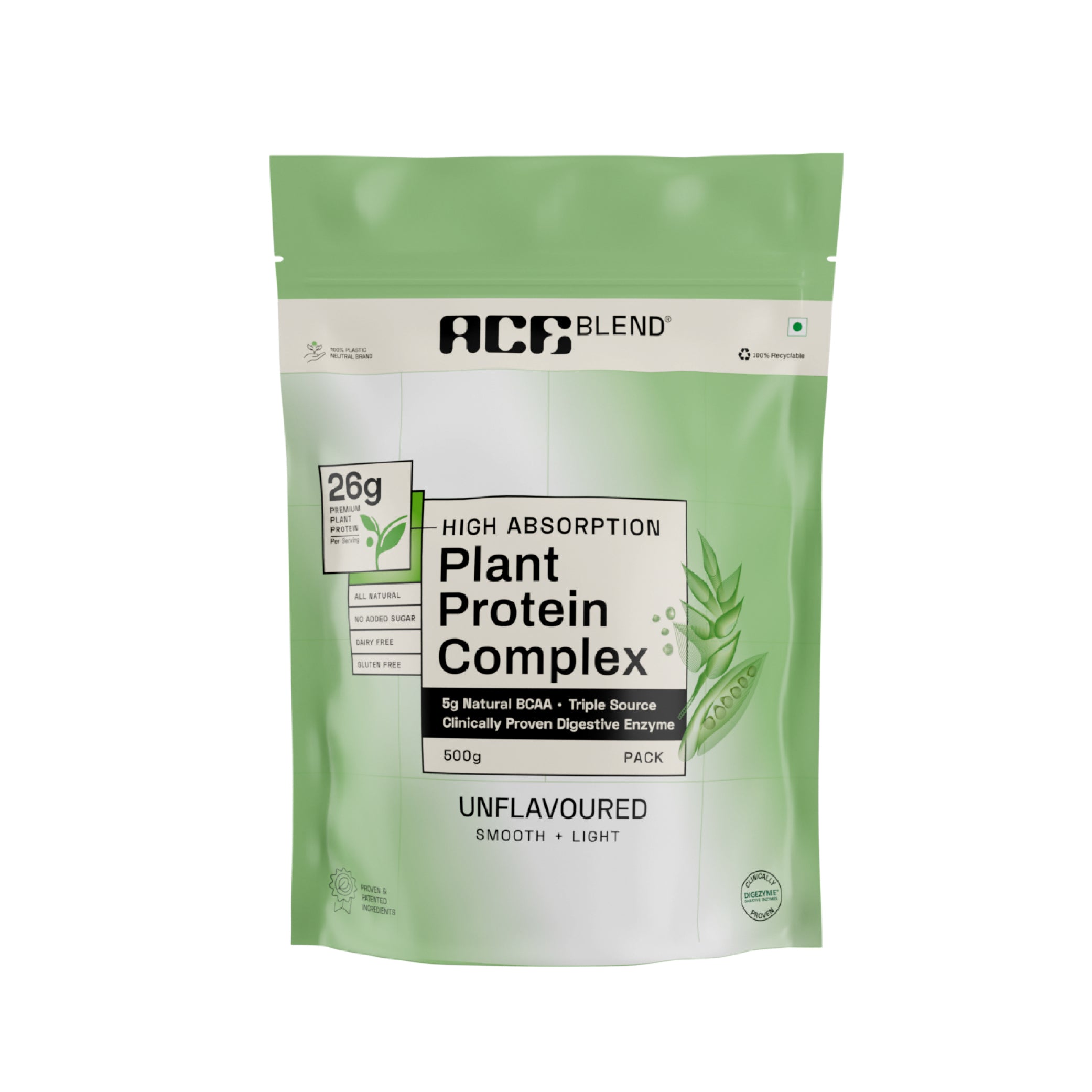
Adding 1-2 tablespoons of unflavored protein powder to roti dough can increase protein content by 8-10 grams per serving. This method works particularly well with plant-based protein powders that blend seamlessly into dough.
Maximize protein absorption by combining roti with high-quality protein sources:
• Serve with dal (lentil curry) for complete amino acid profiles
• Add paneer or cottage cheese as side dishes
• Include Greek yogurt-based raitas
• Pair with egg-based curries or scrambles
Answer: Two medium rotis contain approximately 5-6 grams of protein total. This represents roughly 10-12% of daily protein needs for most adults, making it a modest contribution rather than a primary protein source.
Answer: Adding ghee doesn't change the protein content—you still get 2.5-3 grams of protein per chapati. However, ghee adds approximately 40-60 calories from fat, which can impact your overall macro balance.
Answer: Five rotis provide only 12-15 grams of protein but deliver 350-600 calories primarily from carbohydrates. This isn't an efficient protein strategy and may lead to excessive carb intake relative to protein goals.
Answer: Yes, roti contains more protein than rice. While roti provides 7.85g protein per 100g, white rice contains only 2.7g per 100g. However, neither qualifies as a high-protein food.
Answer: There's no difference—chapati and roti are regional names for the same food. Both contain identical protein content when made with the same ingredients and proportions.
Answer: Mix chickpea flour with wheat flour, add protein powder to dough, or incorporate milk powder. These modifications can increase protein content from 3g to 6-8g per roti.
Roti contains 2.5-3 grams of protein per medium piece—a modest amount that shouldn't be your primary protein strategy. While beloved for cultural and nutritional reasons, roti functions best as a carbohydrate source rather than a protein powerhouse. The key to making roti work in a high-protein diet lies in smart combinations and modifications. Pair it with complete proteins like lentils, eggs, or dairy products. Consider flour modifications using chickpea or quinoa flour to boost protein content. Remember, optimal nutrition comes from variety and balance, not from expecting any single food to meet all your needs. Roti can absolutely fit into a healthy, protein-rich diet—just understand its limitations and plan accordingly. Focus on complementary protein sources to create complete, satisfying meals that honor both tradition and your health goals.

