










Roti Calories Unveiled: Your Complete Nutrition Guide

Get personalised recommendations with our assessment.
Personalised Health Diagnosis (PHD)
Ever wondered exactly how many calories are packed into that humble roti sitting on your plate? You're not alone. With India's growing health consciousness and the rise of mindful eating, understanding roti calories has become crucial for anyone serious about their nutrition. Whether you're tracking macros, managing weight, or simply curious about what fuels your body, getting the real numbers on this staple food matters. Let's cut through the confusion and give you the complete breakdown of roti nutrition – no fluff, just facts that'll help you make smarter food choices.
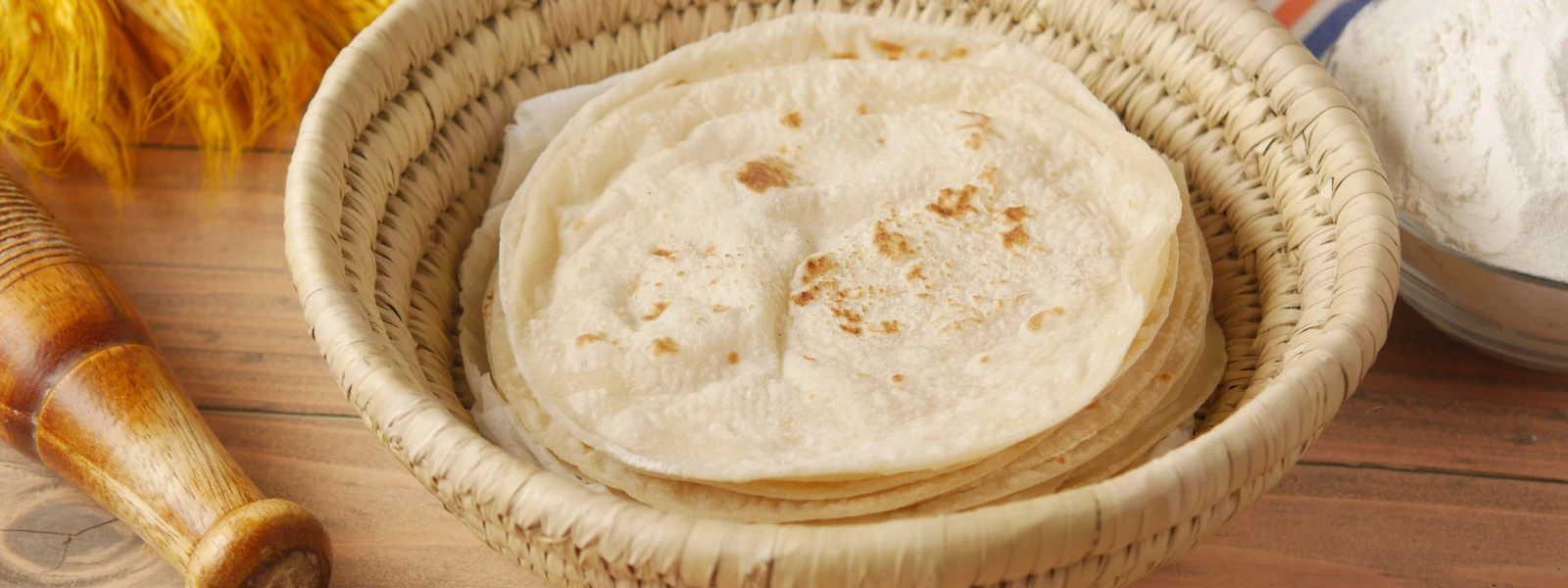
Here's what you actually need to know about roti calories. A medium-sized whole wheat roti weighing around 40 grams contains approximately 120 calories. But here's where it gets interesting – size matters more than you think. A small roti (32g) clocks in at about 96 calories, while a large one (52g) can hit 156 calories. Add a teaspoon of ghee, and you're looking at 150-160 calories total. These numbers aren't just random estimates – they're based on standard nutritional analysis of whole wheat flour and typical preparation methods.
Most people underestimate roti sizes. That "medium" roti at your local dhaba might actually be large by nutritional standards. Home-cooked rotis tend to be more consistent in size, typically ranging from 6-8 inches in diameter.
The cooking method affects calories in roti significantly. Dry roasting on a tawa keeps calories minimal, while adding oil or ghee during cooking can bump up the count by 30-50 calories per roti.
Let's break down what makes up those 120 calories in a medium roti. Understanding roti nutrition facts helps you see why this isn't just empty carbs – it's actually a pretty balanced food choice. A standard whole wheat roti delivers 22 grams of carbohydrates, 3 grams of protein, and about 2 grams of fat. The fibre content sits at 2-3 grams, which is decent for such a small serving. But the micronutrient profile is where things get interesting.
Whole wheat rotis pack B-complex vitamins, particularly thiamine and niacin, which support energy metabolism. You'll also get iron for oxygen transport, magnesium for muscle function, and phosphorus for bone health. The zinc content supports immune function – not bad for a simple flatbread.
Those 22 grams of roti carbs aren't just any carbs. They're complex carbohydrates that break down slowly, providing sustained energy rather than quick spikes. This makes rotis a smarter choice than refined bread or sugary snacks.
Not all rotis are created equal. The type of flour dramatically changes both the calorie content and nutritional profile. Here's where understanding Indian bread calories across different grains becomes crucial for making informed choices. Whole wheat roti calories sit at 120 per medium piece, but bajra (pearl millet) rotis come in slightly lower at 110 calories. Jowar (sorghum) rotis hit 115 calories, while ragi (finger millet) rotis clock 112 calories. Multi-grain combinations typically range from 125-130 calories due to added seeds and varied flour types.
Millet-based rotis offer superior mineral profiles. Bajra rotis provide more iron and magnesium, while ragi rotis excel in calcium content. These alternatives often have lower glycemic indices too, making them excellent choices for blood sugar management.
Freshly ground flour retains more nutrients than store-bought refined versions. The difference in calories in homemade roti versus commercial options often comes down to processing methods and added preservatives.
Understanding roti health benefits requires looking past just calories. This traditional food offers several advantages that make it a smart choice for long-term health goals. The high fibre content promotes digestive health and helps maintain stable blood sugar levels. Unlike refined breads, rotis have a lower glycemic index, meaning they won't spike your glucose levels dramatically. This makes them particularly valuable for sustained energy and appetite control.
Rotis support weight management through multiple mechanisms. The fibre content promotes satiety, helping you feel full longer. The protein content, while modest, contributes to muscle maintenance during weight loss phases. The complex carbohydrates provide steady energy without the crashes associated with simple sugars.
Regular roti consumption as part of a balanced diet supports healthy metabolism. The B-vitamins aid in converting food to energy efficiently, while the magnesium content supports over 300 enzymatic reactions in your body.
Making healthy roti recipes doesn't require complicated ingredients or techniques. Simple modifications can enhance nutrition while keeping calories in check. Oil-free cooking on a well-seasoned tawa keeps calories minimal while maintaining taste and texture. Adding finely chopped vegetables like spinach, carrots, or beetroot boosts vitamin and mineral content without significantly increasing calories. These additions also increase fibre, making each roti more filling.
Mixing in small amounts of besan (chickpea flour) or adding our Unflavoured Protein to your atta can boost protein content significantly. This creates a more balanced macronutrient profile, making each roti more satisfying and nutritionally complete.
Using smaller plates and rolling rotis to consistent sizes helps with portion awareness. Most people benefit from 1-2 medium rotis per meal, depending on their activity level and overall caloric needs.
Understanding roti calories becomes most valuable when you consider complete meals. A typical Indian meal combining 2 rotis with dal and vegetables provides balanced nutrition while keeping calories reasonable. Two medium rotis (240 calories) paired with a cup of dal (180 calories) and mixed vegetables (80 calories) creates a 500-calorie meal that's nutritionally complete. This combination provides all essential amino acids, complex carbohydrates, fiber, and various micronutrients.
Roti consumption timing affects how your body processes these calories. Having rotis earlier in the day allows for better glucose utilization, while evening consumption should be paired with adequate physical activity or kept to smaller portions.
Rotis work best as part of varied diets. Combining them with protein-rich foods, healthy fats, and plenty of vegetables creates meals that support overall health goals while managing caloric intake effectively.
Two medium rotis contain approximately 240 calories. This makes for a substantial meal when paired with vegetables and protein sources like dal or lean meats.
Approximately 4 medium rotis equal about 480-500 calories. However, this would be quite a large serving for most people and should be spread across multiple meals.
Yes, rotis can support weight loss goals. Their high fibre content promotes satiety, the complex carbohydrates provide sustained energy, and the preparation method typically involves minimal added fats.
One medium roti provides 120 calories and 3 grams of protein. While the protein content is modest, it contributes to your daily requirements and can be enhanced through preparation modifications.
A medium chapati with 1 teaspoon of ghee contains approximately 150-160 calories. The ghee adds healthy fats and enhances flavor while moderately increasing the caloric content.
Homemade rotis are typically healthier as you control the ingredients and avoid preservatives. Fresh grinding of flour also retains more nutrients compared to processed alternatives.
Yes, whole wheat rotis can be part of a diabetic diet due to their lower glycemic index compared to white bread. Portion control and pairing with protein and fiber-rich foods helps manage blood sugar response.
Understanding roti calories empowers you to make informed dietary choices without eliminating this nutritious staple. A medium whole wheat roti at 120 calories provides balanced nutrition when part of varied meals. The key lies in portion awareness, preparation methods, and combining rotis with complementary foods for optimal nutrition. Whether you're managing weight, building muscle, or simply eating for health, rotis can fit into your goals when consumed mindfully. Remember, it's not just about the calories – it's about the complete nutritional package and how it fits into your overall eating pattern.

