










Roti Calories 101: Everything You Need to Know

Get personalised recommendations with our assessment.
Personalised Health Diagnosis (PHD)
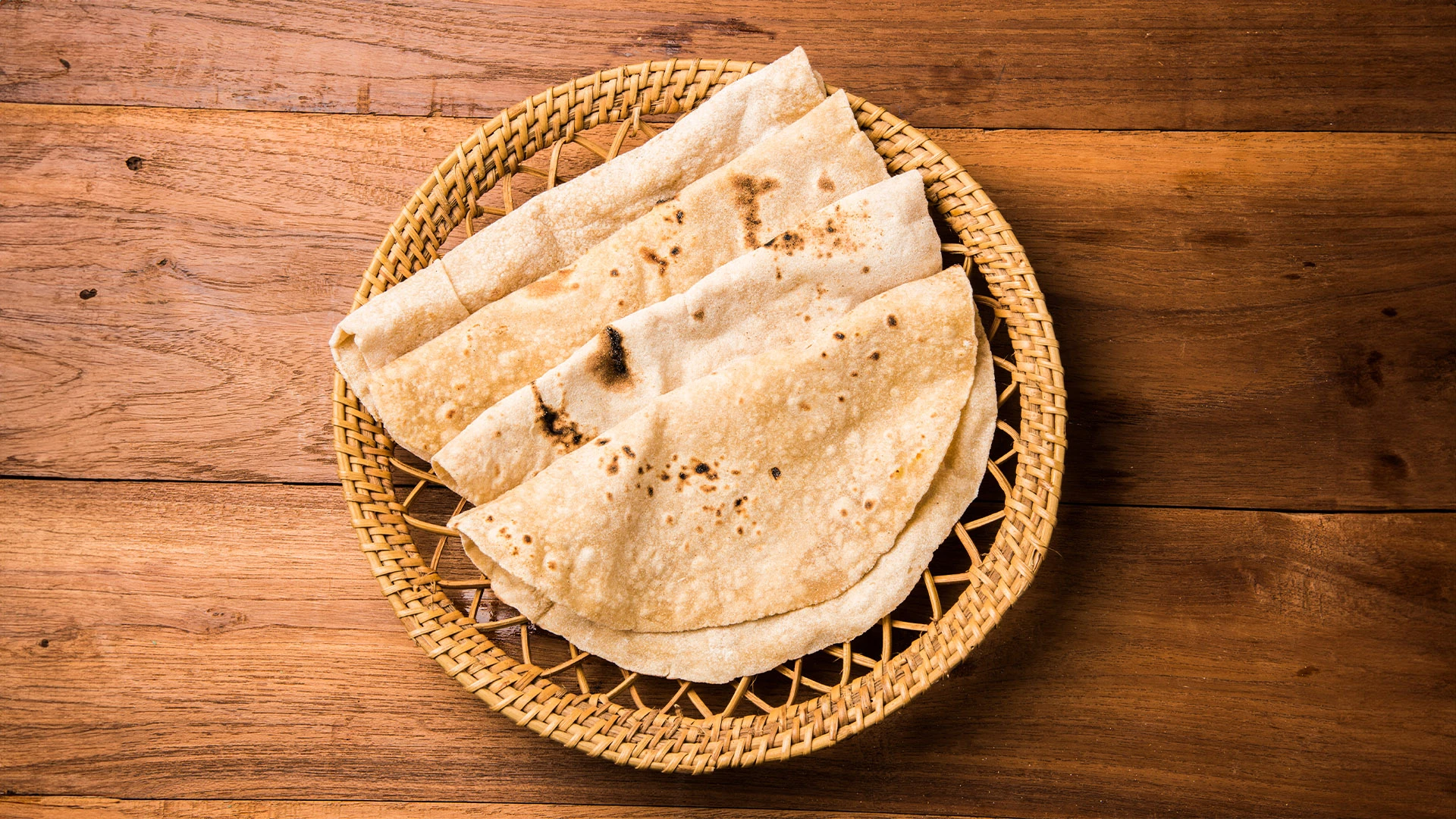
Roti remains one of India's most beloved staples, gracing tables from bustling metros to quiet villages. Yet despite its ubiquitous presence in our daily meals, many health-conscious individuals find themselves puzzled about the actual caloric impact of this simple flatbread. Whether you're tracking macros for fitness goals or simply curious about what goes into your body, understanding roti calories becomes essential for making informed dietary choices. The truth is, not all rotis are created equal—and the calorie count can vary dramatically based on size, ingredients, and preparation methods.
The calories in roti depend heavily on several key factors, making it impossible to give a one-size-fits-all answer. However, we can establish clear ranges that help you make better dietary decisions. A standard medium-sized roti typically contains between 70-100 calories, but this number shifts based on preparation and ingredients. Understanding these variations empowers you to make choices aligned with your health goals.
Size matters significantly when calculating roti calories. A small roti weighing 20-25 grams delivers approximately 50-70 calories, making it perfect for portion control. Medium rotis, the most common household size at 30-40 grams, pack 70-100 calories. Large rotis, often served in restaurants and weighing 40-50 grams, can contain 120-150 calories per piece.
Flour type plays a crucial role in determining caloric content. Whole wheat flour contains more fibre and nutrients compared to refined flour, though the calorie difference remains minimal. Thickness and diameter directly impact total calories—thicker rotis naturally contain more flour and thus more calories. The cooking method also matters: dry-roasted rotis contain fewer calories than those cooked with oil or ghee.
Homemade rotis typically contain fewer calories because you control the ingredients and cooking method. Store-bought or restaurant rotis often use additional oil during preparation, increasing the caloric content by 20-40 calories per piece.
Roti nutrition extends far beyond just calories, offering a complex profile of macronutrients and essential vitamins. Understanding this complete nutritional picture helps you appreciate roti's role in a balanced diet. A medium-sized whole wheat roti provides sustained energy through complex carbohydrates while delivering essential nutrients your body needs for optimal function.
Carbohydrates form the primary macronutrient, contributing 15-20 grams per medium roti. These complex carbs provide steady energy release, avoiding the blood sugar spikes associated with refined foods. Protein content ranges from 3-4 grams, supporting muscle maintenance and satiety. Fat content remains low at 0.5-1 gram for plain rotis, making them naturally low-fat options.
Whole wheat rotis deliver significant amounts of B-vitamins, particularly thiamine and niacin, which support energy metabolism. Iron content helps prevent anemia, while magnesium supports bone health and muscle function. Selenium acts as an antioxidant, protecting cells from oxidative stress.
Fibre content in whole wheat rotis ranges from 2-3 grams per piece, promoting healthy digestion and supporting gut health. This fibre helps regulate blood sugar levels and contributes to feelings of fullness, making rotis more satisfying than refined alternatives.
Chapati calories and other Indian bread calories vary significantly based on the grain used and preparation method. Exploring these variations helps you choose options that align with your nutritional goals. Different grains offer unique nutritional profiles, affecting both caloric content and health benefits. Understanding these differences empowers you to diversify your diet while managing caloric intake.
Calories in whole wheat roti typically range from 70-100 per medium piece. Whole wheat provides superior nutrition compared to refined alternatives, offering more fibre, protein, and essential nutrients while maintaining similar caloric content.
Refined flour rotis contain slightly fewer calories per gram but offer significantly less nutritional value. The caloric difference remains minimal—about 5-10 calories less per roti—but the nutritional trade-off makes whole wheat the superior choice for health-conscious individuals.
Bajra (pearl millet) rotis contain approximately 80-90 calories per medium piece while providing superior mineral content. Jowar (sorghum) rotis offer similar caloric content with excellent protein quality. Ragi (finger millet) rotis pack 85-95 calories but deliver exceptional calcium content, making them ideal for bone health.
Stuffed rotis significantly increase caloric content depending on the filling. Aloo (potato) stuffed rotis can contain 150-200 calories, while paneer-stuffed versions may reach 180-220 calories per piece.
Plain rotis rarely travel alone—most people enjoy them with various additions that significantly impact total caloric intake. Understanding these additions helps you make informed choices about your complete meal. These additions can double or triple your caloric intake from bread alone, making awareness crucial for weight management and nutritional planning.
Adding just one teaspoon of ghee increases your roti's caloric content by 40-45 calories. Butter adds similar calories, while the choice between ghee and butter often comes down to personal preference and digestive tolerance.
Rotis cooked with oil during preparation contain an additional 20-30 calories compared to dry-roasted versions. The type of oil used—whether coconut, mustard, or refined—doesn't significantly impact caloric content but affects nutritional quality.
A complete meal of one roti with sabzi typically totals 150-250 calories, depending on the vegetable preparation. Two rotis with sabzi can range from 300-450 calories, making portion awareness essential for caloric management.
Roti benefits extend beyond basic nutrition, making them valuable components of weight management strategies when consumed mindfully. The key lies in understanding how to incorporate rotis effectively into your dietary goals. Healthy roti consumption supports sustainable weight management through satiety, nutrient density, and metabolic benefits when prepared and portioned appropriately.
Rotis provide sustained energy through complex carbohydrates, preventing the energy crashes that lead to overeating. The fibre content promotes satiety, helping control overall caloric intake. However, portion control remains crucial—excessive consumption can hinder weight loss goals regardless of the food's inherent healthiness.
For weight loss, limiting intake to 2-3 medium rotis per day works well for most individuals. Active individuals may require more, while sedentary lifestyles call for stricter portion control. Pairing rotis with protein-rich foods enhances satiety and metabolic benefits.
Whole wheat rotis suit general health maintenance, while alternative grain rotis like bajra or jowar offer specific benefits for blood sugar management. Mixed grain rotis provide diverse nutrients while maintaining moderate caloric content.
Rotis offer superior nutrition compared to white rice or refined bread products. They provide more fibre, protein, and essential nutrients per calorie, making them efficient choices for meeting nutritional needs while managing weight.
Creating healthy roti at home gives you complete control over ingredients and preparation methods. Simple modifications can significantly reduce caloric content while enhancing nutritional value. The roti recipe you choose and preparation techniques directly impact both taste and nutritional outcomes. Smart ingredient swaps and cooking methods can optimize your homemade rotis for health goals.
Whole wheat flour forms the foundation, but mixing in alternative flours like besan (chickpea flour) or oat flour can boost protein content. Adding finely chopped vegetables like spinach or fenugreek leaves increases nutrient density without significantly impacting calories.
Dry roasting on a hot tawa produces the lowest-calorie rotis. Using non-stick cookware eliminates the need for oil during cooking. Steaming rotis after cooking helps maintain softness without adding fats.
Rolling rotis thinner reduces flour content per piece while maintaining satisfaction. Using warm water in the dough creates softer rotis that require less oil for cooking. Adding herbs and spices enhances flavor without adding calories.
Making smaller rotis helps with natural portion control—aim for 25-30 gram pieces rather than large restaurant-style rotis. Pre-portioning dough balls ensures consistent sizing and caloric content.
A medium-sized whole wheat roti contains approximately 70-100 calories. The exact count depends on size, thickness, and preparation method. Small rotis contain 50-70 calories, while large ones can reach 120-150 calories.
Yes, rotis can support weight loss when consumed in appropriate portions. Their fibre content promotes satiety, while complex carbohydrates provide sustained energy. Limit intake to 2-3 medium rotis daily for optimal weight management results.
Two medium rotis contain approximately 140-200 calories total. This makes them a reasonable carbohydrate portion for most meals when paired with protein and vegetables.
Chapati and roti are essentially the same food with regional naming differences. Both contain similar caloric content when made with identical ingredients and preparation methods.
Most adults can consume 3-4 medium rotis daily as part of a balanced diet. Active individuals may require more, while those focused on weight loss should limit intake to 2-3 rotis per day.
Whole wheat rotis provide superior nutrition with more fibre, protein, and essential nutrients compared to refined flour rotis. The caloric difference is minimal, making whole wheat the healthier choice.
Understanding calories in roti empowers you to make informed dietary decisions that align with your health goals. While a medium roti contains 70-100 calories, the complete nutritional picture—including fibre, protein, and essential nutrients—makes rotis valuable components of balanced diets. The key lies in mindful consumption, appropriate portioning, and choosing whole grain varieties over refined alternatives. Whether you're managing weight, building muscle, or simply maintaining good health, rotis can fit effectively into your nutritional strategy when consumed with awareness and intention.

