










Rice Protein 101: Everything You Need to Know

Get personalised recommendations with our assessment.
Personalised Health Diagnosis (PHD)
Rice sits at the center of billions of plates worldwide, yet most people have no clue about its protein content. Here's the straight answer: 100 grams of cooked rice delivers about 2.5-3 grams of protein, while the same amount uncooked packs around 7 grams. That might sound modest, but when you consider rice feeds half the planet daily, those numbers add up fast. Understanding rice protein content isn't just nutritional trivia—it's essential for anyone serious about hitting their daily protein targets without relying solely on expensive supplements or meat.
The protein content in rice varies dramatically depending on whether you're measuring cooked or uncooked grains. This distinction trips up most people when calculating their daily protein intake from rice.
When rice absorbs water during cooking, it roughly triples in weight while the protein gets diluted. Here's the breakdown:
• Cooked white rice (100g): 2.5-3 grams protein
• Uncooked white rice (100g): 7 grams protein
• Cooked brown rice (100g): 3-3.5 grams protein
• Uncooked brown rice (100g): 7.5-8 grams protein
The water absorption during cooking explains why cooked rice appears lower in protein. You're not losing protein—you're just adding water weight that dilutes the concentration.
Beyond protein, rice delivers a complete nutritional package. For 100g of cooked white rice:
• Calories: ~130 kcal
• Carbohydrates: ~28g
• Fat: ~0.3g
• Fibre: ~0.4g • Iron: 0.8mg
• Magnesium: 12mg
Brown rice ups the ante with higher fibre (1.8g) and more minerals, making it nutritionally superior despite similar protein in rice levels.
Not all rice varieties pack the same protein punch. Some types deliver significantly more protein per serving, making them better choices for those tracking their intake.
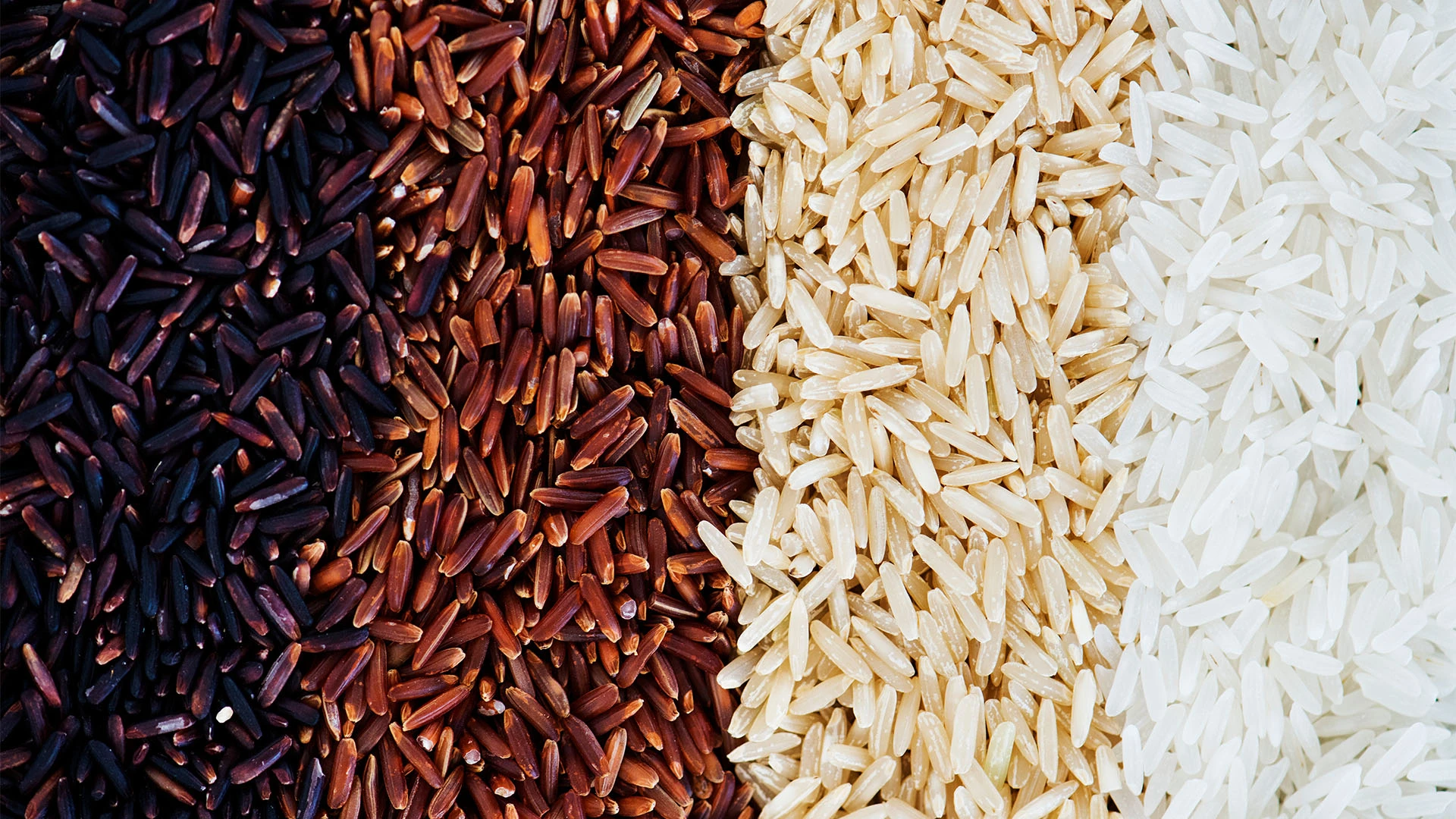
Wild rice leads the pack, though technically it's not rice but a grass seed. Here's how different varieties stack up per 100g cooked:
• Wild rice: 4g protein
• Black rice: 3.5g protein
• Red rice: 3.2g protein
• Brown rice: 3g protein
• White rice: 2.5g protein
Basmati and jasmine rice fall into the white rice category for protein content, despite their distinct flavors and textures.
Putting rice protein in perspective against other common staples reveals interesting insights:
• Rice (100g cooked): 2.5-3g protein
• Quinoa (100g cooked): 4.4g protein
• Wheat roti (100g): 11g protein
• Potato (100g boiled): 2g protein
While rice doesn't win the protein race, it provides steady, easily digestible protein that complements other sources beautifully.
Protein quantity tells only half the story. The quality of rice amino acids determines how well your body can use that protein for muscle building, repair, and other essential functions.
Rice contains all nine essential amino acids, but not in optimal ratios. The amino acid profile per 100g of rice protein includes:
• Lysine: 3.5g (limiting amino acid)
• Methionine: 2.3g
• Threonine: 3.5g
• Tryptophan: 1.1g
• Leucine: 8.2g
Lysine acts as the limiting factor, meaning rice protein can't be fully utilized until you consume adequate lysine from other sources.
Technically, rice contains all essential amino acids, making it a complete protein. However, the low lysine content means it's not optimally balanced for human needs. This is where protein complementation becomes crucial—pairing rice with legumes like beans or lentils creates a complete amino acid profile that rivals animal proteins. The combination doesn't need to happen in the same meal; consuming complementary proteins within 24 hours works perfectly.
Rice protein offers unique advantages that make it valuable in a balanced diet, especially for those with specific dietary restrictions or digestive sensitivities.
For someone eating 300g of cooked rice daily (a typical serving in rice-heavy diets), you're getting about 7.5-9g of protein. That's roughly 15-18% of the daily protein requirement for a 70kg adult. While rice alone won't meet your protein needs, it provides a solid foundation when combined with other protein sources in rice-based meals. To optimize protein intake from rice:
• Choose brown or wild rice varieties
• Pair with legumes, nuts, or seeds
• Include protein-rich vegetables like spinach or broccoli
Rice protein shines in several areas that make it particularly valuable:
• Hypoallergenic: Unlike wheat or soy, rice rarely triggers allergic reactions
• Easy digestion: Gentle on the stomach, making it ideal for sensitive digestive systems
• Sustained energy: Provides steady glucose release without dramatic blood sugar spikes
• Gluten-free: Safe for those with celiac disease or gluten sensitivity
These properties make rice an excellent protein source for people who struggle with other common protein foods.
Smart combinations and cooking methods can significantly boost the protein value you get from rice-based meals.
The key to maximizing rice protein lies in strategic pairing. These combinations create complete amino acid profiles:
• Rice + black beans: Classic combination providing all essential amino acids
• Rice + lentils: Traditional dal-rice delivers complete protein
• Rice + nuts/seeds: Almonds, pumpkin seeds, or sesame seeds boost both protein and healthy fats
• Rice + eggs: Scrambled eggs with rice create a protein powerhouse
These combinations don't just improve protein quality—they enhance flavor and nutritional diversity.
Proper cooking techniques ensure you retain maximum protein content:
• Use minimal water (1:1.5 rice to water ratio)
• Avoid overcooking, which can denature some proteins
• Store cooked rice properly to prevent protein degradation
• Consider steaming over boiling to minimize nutrient loss
Refrigerated cooked rice maintains its protein content for up to 4 days when stored properly.
Answer: Cooked white rice contains approximately 2.5-3 grams of protein per 100g, while cooked brown rice provides 3-3.5 grams. The exact amount varies slightly based on the rice variety and cooking method used.
Answer: No, rice alone cannot meet daily protein needs. An average adult requires 50-60g of protein daily, while 100g of cooked rice provides only 2.5-3g. Rice should be part of a varied diet including other protein sources.
Answer: Wild rice contains the highest protein content at 4g per 100g cooked, followed by black rice at 3.5g. However, wild rice is technically a grass seed, not true rice.
Answer: Wheat contains significantly more protein than rice. Whole wheat flour provides about 11g protein per 100g, while rice provides only 2.5-3g per 100g cooked. However, rice is gluten-free and easier to digest for many people.
Answer: Reheating rice doesn't significantly affect its protein content. However, repeated heating and cooling cycles can slightly reduce protein quality through denaturation, though the difference is minimal for practical purposes.
Answer: To get 10g of protein from rice alone, you'd need to consume approximately 330-400g of cooked rice, depending on the variety. This is quite a large portion, highlighting why rice works best as part of a balanced protein strategy.
Rice provides modest but valuable protein that becomes more significant when viewed as part of your total daily intake. While 100g of cooked rice delivers only 2.5-3g of protein, this adds up when rice forms a dietary staple. The key lies in understanding that rice protein works best when combined with complementary sources like legumes, creating complete amino acid profiles that rival animal proteins. Choose higher-protein varieties like brown or wild rice when possible, and always pair rice with other protein sources to maximize nutritional value. Remember, the difference between cooked and uncooked measurements matters—uncooked rice contains about 7g protein per 100g, but nobody eats raw rice. Smart combinations and proper cooking methods help you extract maximum nutritional value from this global staple while building a sustainable, protein-rich diet.

