










Rice Calories 101: Everything You Need to Know

Get personalised recommendations with our assessment.
Personalised Health Diagnosis (PHD)
Rice sits at the center of billions of plates worldwide, yet most people have no clue about its caloric impact. Whether you're tracking macros, managing weight, or simply curious about what fuels your body, understanding rice calories isn't just helpful—it's essential. The numbers might surprise you, especially when you realize how cooking methods and rice types can dramatically shift the caloric equation. Let's break down everything you need to know about rice calories, from the basics to the nuanced details that actually matter for your health goals.
Not all rice is created equal when it comes to calories. The type you choose can make a significant difference in your daily caloric intake, and understanding these variations helps you make informed decisions about your meals.
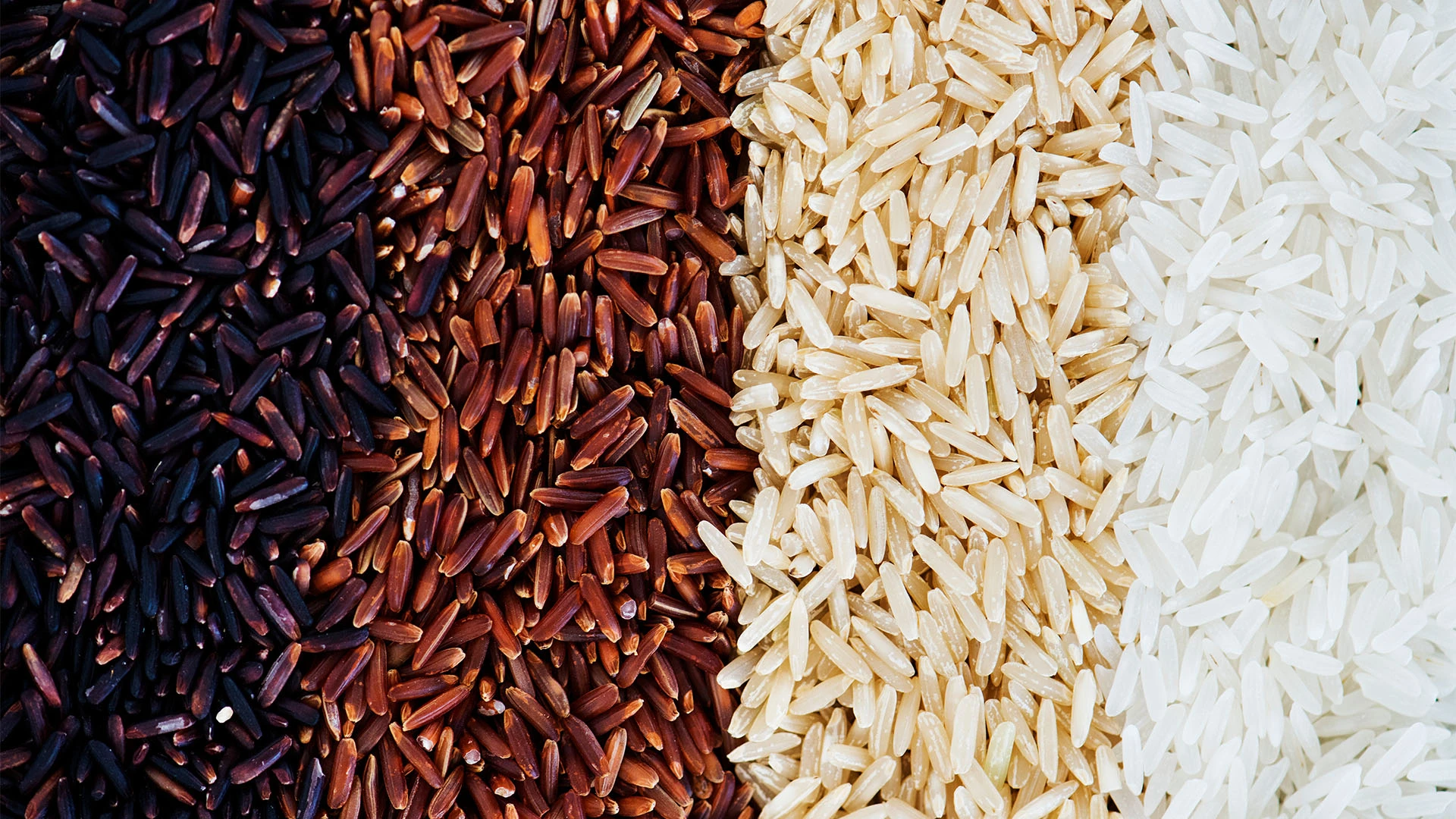
White rice contains approximately 130 calories per 100 grams when cooked. This makes it one of the more calorie-dense options among common rice varieties. The processing that creates white rice removes the bran and germ, leaving mostly starchy endosperm, which explains its higher caloric concentration.
Brown rice calories clock in at around 112-123 calories per 100 grams cooked. The retained bran and germ not only provide more nutrients but also slightly reduce the caloric density. This difference might seem small, but it adds up over time, especially for regular rice consumers.
Specialty rices offer unique flavor profiles and varying caloric content:
• Basmati rice: 121 calories per 100g cooked
• Jasmine rice: 129 calories per 100g cooked
• Black rice: 140-150 calories per 100g cooked
• Wild rice: 101 calories per 100g cooked
• Red rice: 115-120 calories per 100g cooked
Wild rice technically isn't rice at all—it's a grass seed—which explains its lower caloric content and higher protein levels.
Here's where things get interesting and where most people get confused about rice nutrition facts. The caloric difference between raw and cooked rice isn't about losing calories—it's about water absorption. Raw rice contains approximately 360-400 calories per 100 grams, depending on the variety. When you cook rice, it absorbs water and roughly triples in volume. This means 100 grams of raw rice becomes about 300 grams of cooked rice, diluting the caloric density significantly.
Cooked rice is approximately 68-70% water, which explains why calories in cooked rice appear so much lower than raw rice. You're not losing calories during cooking—you're adding water weight. This is crucial for accurate calorie tracking and portion control. The standard ratio works out to roughly 1:3, meaning one cup of raw rice yields about three cups of cooked rice. Understanding this ratio helps you plan portions and calculate calories more accurately.
Portion control becomes much easier when you understand standard serving sizes and their caloric impact. Most people underestimate their rice portions, leading to unintentional calorie overconsumption. A standard bowl of rice (approximately 150 grams cooked) contains 190-200 calories. This is considered a moderate serving size for most adults. However, restaurant portions often exceed this significantly.
• 1 cup cooked rice (158g): 205 calories
• 1 standard bowl (150g): 190-200 calories
• 1 large plate serving (300g): 390 calories
• 500g serving: 650 calories
• Small side portion (75g): 95-100 calories
For accurate measurement, invest in a kitchen scale. Eyeballing portions often leads to significant miscalculations, especially with calorie-dense foods like rice.
If you don't have a scale handy, use these visual cues:
• One cupped palm = approximately 150g cooked rice
• One tennis ball = roughly 160g cooked rice
• One computer mouse = about 100g cooked rice
While calories grab attention, rice offers more than just energy. Understanding the complete nutritional profile helps you make informed decisions about whether rice fits your health goals. Rice is primarily a carbohydrate source, with cooked white rice containing approximately 28 grams of carbs per 100 grams. Protein content sits around 2.7 grams per 100 grams, while fat content remains minimal at 0.3 grams.
Brown rice significantly outperforms white rice in micronutrient density:
• Magnesium: Brown rice contains 43mg per 100g vs white rice's 12mg
• Phosphorus: 83mg in brown rice vs 43mg in white rice
• B vitamins: Higher concentrations in brown rice due to retained bran
• Fibre: Brown rice provides 1.8g per 100g vs white rice's 0.4g
White rice has a glycemic index of 73, while brown rice scores around 68. This difference affects blood sugar response and satiety levels, making brown rice a better choice for sustained energy and weight management.
The relationship between rice and weight loss isn't straightforward. While rice is calorie-dense, it can fit into a weight loss plan when consumed mindfully and in appropriate portions. Brown rice offers advantages for weight management due to its higher fibre content and lower glycemic index. The fibre promotes satiety, helping you feel full longer and potentially reducing overall calorie intake throughout the day.
Timing matters when including rice in a weight loss plan. Consider these strategies:
• Pre-workout fuel: Rice provides quick energy for intense training sessions
• Post-workout recovery: Helps replenish glycogen stores efficiently
• Earlier in the day: Allows more time to utilize the energy provided
• Portion awareness: Stick to 150-200g cooked rice per meal maximum
For those seeking lower-calorie options:
• Cauliflower rice: 25 calories per 100g
• Shirataki rice: 10 calories per 100g
• Quinoa: 120 calories per 100g cooked (higher protein)
• Barley: 123 calories per 100g cooked (higher fibre)
At Ace Blend, we understand that sustainable nutrition isn't about eliminating foods you enjoy—it's about making informed choices that align with your goals. Our plant-powered protein options can help balance rice-heavy meals by increasing protein content and improving satiety.
Approximately 385 grams of cooked white rice equals 500 calories. This is roughly 2.5 standard bowls or about 1.5 cups of cooked rice.
A standard bowl (150g) of cooked white rice contains 190-200 calories. Brown rice would be slightly less at 170-185 calories for the same portion.
About 100 grams of raw rice or 310 grams of cooked rice contains approximately 400 calories. This equals roughly two standard bowls of cooked rice.
Rice can be part of a healthy weight loss plan when consumed in appropriate portions. Brown rice is preferable due to its higher fibre content and lower glycemic index, which promote better satiety and blood sugar control.
Among true rice varieties, wild rice has the lowest calories at 101 per 100g cooked. However, rice alternatives like shirataki rice (10 calories) or cauliflower rice (25 calories) offer significantly lower calorie options.
The cooking method doesn't significantly change the caloric content, but it can affect the glycemic response. Cooling cooked rice and reheating it increases resistant starch content, which may slightly reduce the available calories and improve blood sugar response.
A kitchen scale provides the most accurate measurements. If unavailable, use the cupped palm method—one cupped palm equals approximately 150g of cooked rice, which is a standard serving size.
Choosing the right rice depends on your specific health objectives. For weight management, brown rice or wild rice offer better satiety and nutrient density. For athletic performance, white rice provides quick-digesting carbohydrates ideal for pre and post-workout nutrition. Cooking methods can optimize rice's nutritional value. Rinsing rice before cooking removes excess starch, potentially lowering the glycemic response. Adding a teaspoon of coconut oil during cooking and then cooling the rice increases resistant starch formation, which may reduce available calories and improve gut health. Pairing rice with protein and healthy fats creates more balanced meals that promote satiety and stable blood sugar levels. Our protein products can easily complement rice-based meals, providing the complete amino acid profile needed for optimal nutrition. Whether you choose our DAILY Protein for everyday needs or INTENSE Protein for athletic goals, combining quality protein with rice creates a more nutritionally complete meal. Remember, sustainable nutrition isn't about perfection—it's about making informed choices that support your long-term health goals while still enjoying the foods you love.

