










Protein in Chapati: Your Complete Nutrition Guide
-da449324-548c-4124-a220-7ec4ff70fc8c.webp)

Get personalised recommendations with our assessment.
Personalised Health Diagnosis (PHD)
Chapati isn't just India's beloved flatbread—it's a protein powerhouse hiding in plain sight. While most people focus on dal and paneer for their protein fix, they're missing out on the steady protein contribution that comes from this daily staple. With protein deficiency affecting millions of Indians, understanding exactly how much protein your chapati delivers can transform your approach to meeting daily nutrition goals. Let's break down the real numbers, debunk the myths, and discover how to maximize the protein potential of every roti on your plate.
The protein content in chapati varies significantly based on size, flour type, and preparation method. A standard medium chapati made from whole wheat flour contains approximately 3-4 grams of protein per piece. Here's the detailed breakdown: Per 100 grams of chapati, you're getting between 7.85 to 9.61 grams of protein. This might seem modest, but when you consider that most people eat 2-3 chapatis per meal, the protein adds up quickly. A medium-sized chapati weighing around 40 grams delivers roughly 3.2 grams of protein, while a larger 60-gram chapati can provide up to 5 grams.
Small chapatis (30g) contain about 2.4g protein, medium ones (40g) offer 3.2g, and large chapatis (60g) pack in nearly 5g of protein. The thickness also plays a role—thicker chapatis naturally contain more flour and therefore more protein per piece.
Whole wheat chapatis consistently outperform their refined flour counterparts in protein content. While refined flour chapatis contain around 7.8g protein per 100g, whole wheat versions can reach up to 9.6g. The atta protein quality is also superior, providing a more complete amino acid profile.
Understanding chapati nutrition requires looking beyond protein alone. A medium whole wheat chapati provides approximately 70-80 calories, with protein making up about 15-20% of its total caloric content. The complete nutritional profile includes 15-18 grams of carbohydrates, 2-3 grams of dietary fibre, and minimal fat content (less than 1 gram). This makes chapati an excellent source of complex carbohydrates that provide sustained energy release throughout the day.
Chapatis are rich in B-vitamins, particularly thiamine, riboflavin, and niacin, which support energy metabolism. They also provide iron (1.2mg per 100g), magnesium (76mg), and phosphorus, making them valuable contributors to overall micronutrient intake.
Wheat protein contains all essential amino acids, though it's relatively low in lysine. This is why combining chapati with dal or other legumes creates a complete protein profile that rivals animal proteins in biological value.
When comparing roti protein content with rice, chapati emerges as the clear winner. While 100g of cooked rice provides only 2.7g of protein, the same amount of chapati delivers nearly three times more protein. This protein advantage translates into better satiety and blood sugar control. The higher protein and fibre content in chapati helps slow down glucose absorption, preventing the rapid blood sugar spikes often associated with rice consumption.
For those considering protein in chapati for weight loss, the numbers are encouraging. The combination of protein and fibre creates greater satiety per calorie, potentially reducing overall food intake. Studies show that replacing rice with chapati can lead to improved weight management outcomes.
Chapati protein is highly digestible, with absorption rates comparable to other plant-based proteins. The fermentation process that occurs during dough resting can further improve protein digestibility and nutrient availability.
Creating protein rich chapati variations is simpler than you might think. By incorporating alternative flours and strategic additions, you can significantly boost the protein content of your daily bread. The most effective method involves replacing 25-30% of wheat flour with high-protein alternatives. Soy flour can increase protein content by up to 40%, while chickpea flour (besan) adds both protein and a nutty flavor profile.
Mixing wheat flour with black chana flour, quinoa flour, or amaranth flour can create chapatis with 12-15g protein per 100g. These combinations also enhance the amino acid profile, creating more complete proteins.
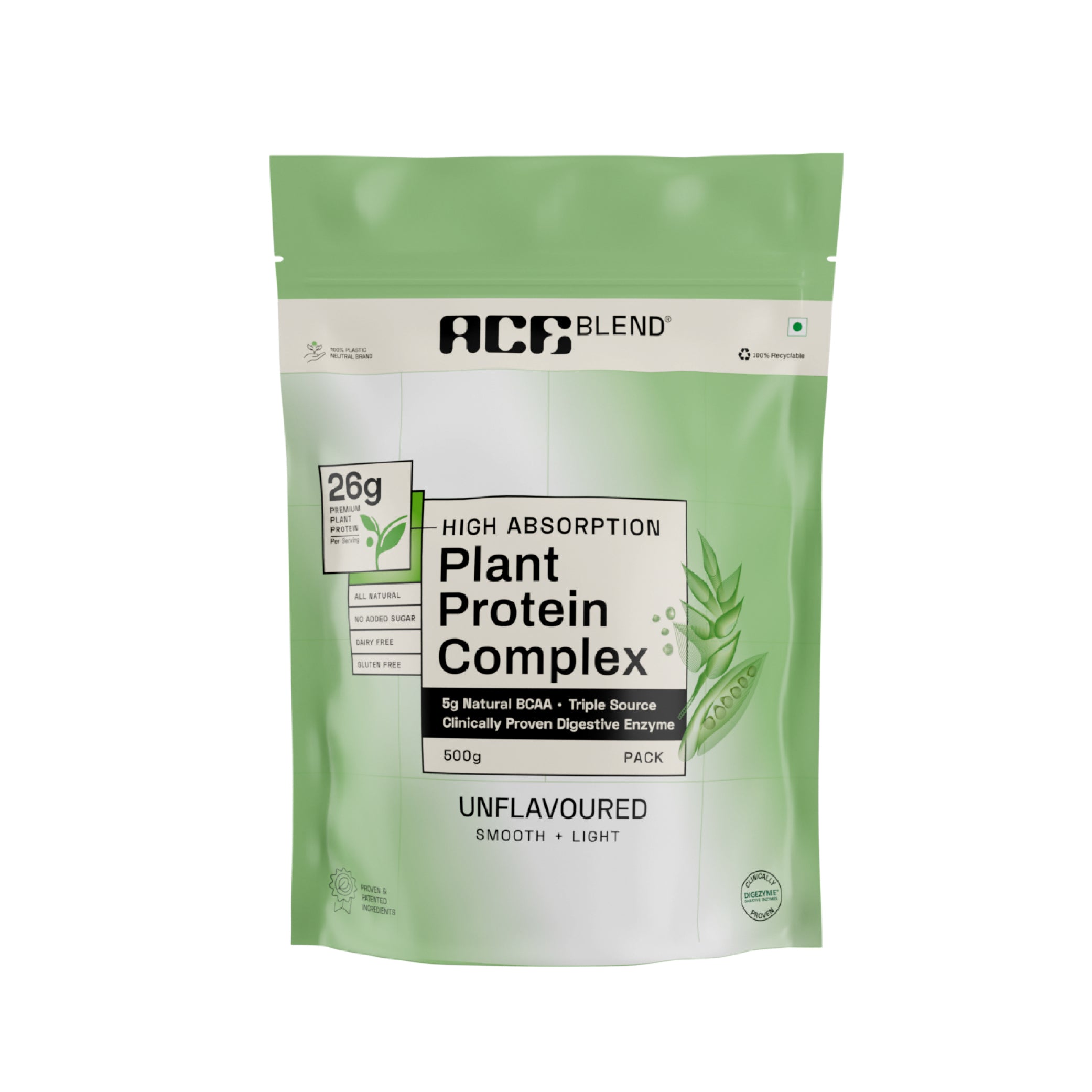
Kneading chapati dough with milk instead of water can add an extra 1-2g protein per chapati. Adding protein in chapati with ghee during cooking provides healthy fats that aid in protein absorption. For those seeking convenient protein fortification, our Unflavoured Protein can be seamlessly mixed into atta, boosting each chapati's protein content by 5-6 grams without altering taste or texture.
The chapati benefits extend far beyond basic nutrition. Regular consumption of chapati protein supports muscle maintenance, especially important for vegetarians who may struggle to meet protein requirements through traditional sources. Healthy chapati consumption patterns can significantly contribute to daily protein goals. For a 60kg adult requiring 48g protein daily, three medium chapatis provide about 20% of this requirement—a substantial contribution from a single food source.
The steady amino acid release from chapati protein supports muscle protein synthesis throughout the day. This is particularly valuable for older adults who need consistent protein intake to prevent age-related muscle loss.
Indian bread protein provides sustained energy release, preventing the energy crashes associated with simple carbohydrate consumption. The protein content helps stabilize blood sugar levels, supporting consistent energy throughout the day.
Optimizing your daily vitality chapati consumption involves strategic meal planning and smart combinations. Pairing chapatis with protein-rich accompaniments like dal, paneer, or eggs creates synergistic effects that enhance overall protein utilization. Timing matters too. Consuming chapati protein throughout the day, rather than in a single large meal, optimizes muscle protein synthesis and supports better metabolic health.
Incorporate chapatis into breakfast with scrambled eggs, lunch with dal and vegetables, and dinner with lean proteins. This distribution ensures steady protein intake and supports various physiological functions throughout the day.
Fresh chapatis retain maximum nutritional value. Store whole wheat flour in airtight containers and use within 3-4 months for optimal protein quality. Avoid over-kneading, which can break down protein structures.
Two medium chapatis provide approximately 6-8 grams of protein, depending on size and flour type. This represents about 12-15% of daily protein requirements for an average adult.
Yes, chapati is generally suitable for diabetics due to its lower glycemic index compared to rice. The protein and fibre content help moderate blood sugar response, making it a better choice than refined grain alternatives.
Chapatis can contribute 15-20g protein daily when consumed as 4-5 pieces. Combine with dal (15g), milk products (10-15g), nuts and seeds (8-10g), and vegetables (5-8g) to reach 70g total protein.
Meeting 100% daily protein needs requires combining chapati with multiple protein sources. Include legumes, dairy, nuts, seeds, and consider protein supplementation for convenience. Our Daily Protein can bridge any gaps, providing 20g high-quality protein per serving.
Chapati protein is technically incomplete due to lower lysine content. However, combining with legumes, dairy, or other complementary proteins creates a complete amino acid profile equivalent to animal proteins.
Distribute chapati consumption throughout the day rather than concentrating in one meal. This approach optimizes protein synthesis and supports better metabolic health.
Chapati deserves recognition as a significant protein contributor in Indian diets. With 3-4g protein per medium chapati, it provides a steady foundation for meeting daily protein requirements. The key lies in understanding how to maximize its potential through smart combinations and strategic enhancements. Whether you're aiming for weight management, muscle maintenance, or overall vitality, chapati protein can play a valuable role in your nutrition strategy. Remember, every gram of protein counts toward your daily goals, and chapati delivers this nutrition in the most culturally familiar and satisfying way possible.

