


Poori Calories: Your Complete Nutrition Guide

Get personalised recommendations with our assessment.
Personalised Health Diagnosis (PHD)
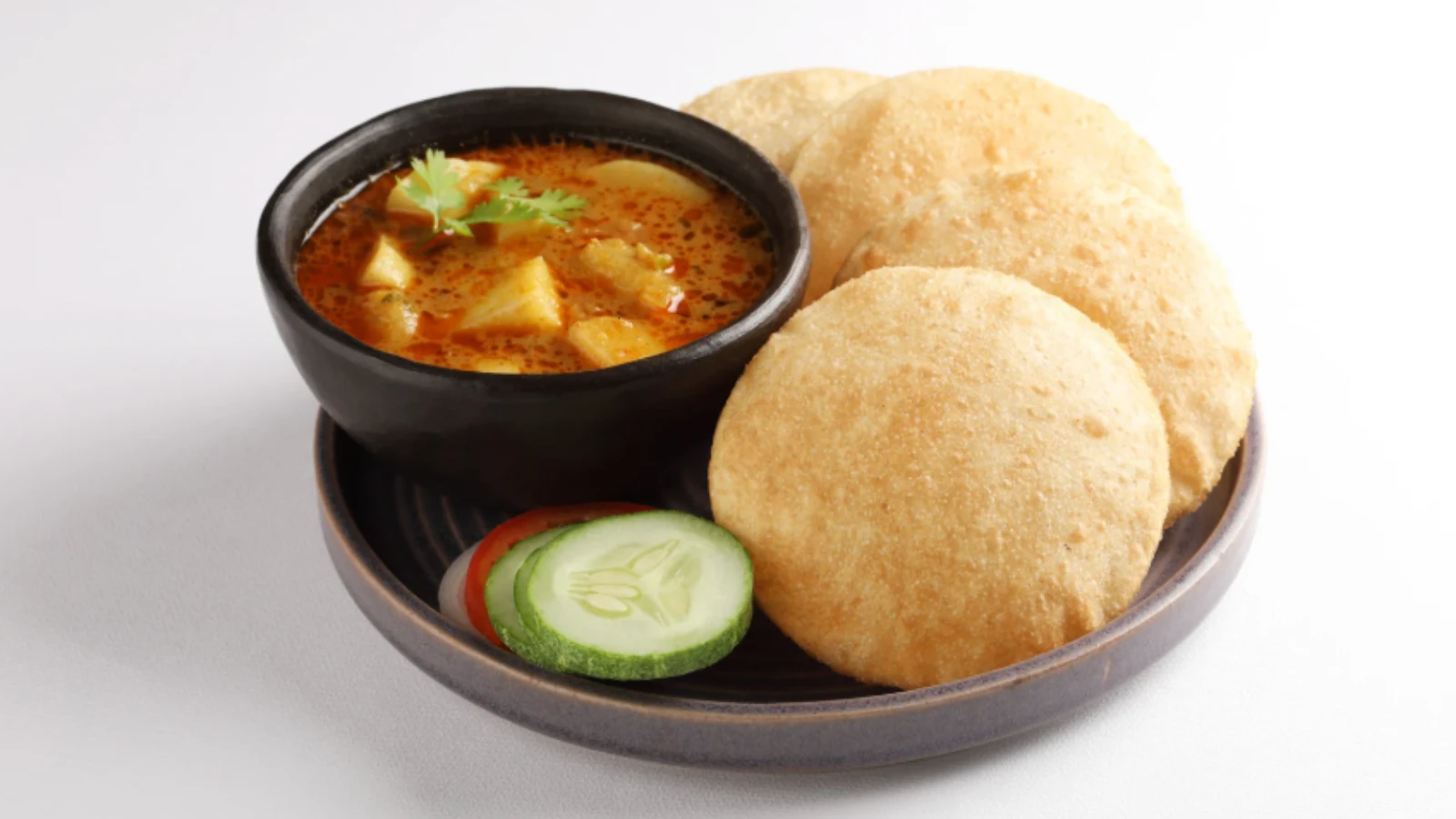
Let's be honest—poori is that irresistible golden puff of joy that makes every Indian meal feel like a celebration. But if you've ever wondered about those poori calories while reaching for your third piece, you're not alone. This beloved fried bread packs more energy than you might expect, and understanding its nutritional profile can help you enjoy it mindfully. Whether you're counting calories, managing your weight, or simply curious about what goes into your favorite comfort food, we're breaking down everything you need to know about poori nutrition without the usual guilt-tripping.
The calorie count in a single poori varies significantly based on size, preparation method, and oil absorption. A standard homemade poori weighing 30-44 grams contains approximately 100-140 calories. Restaurant versions tend to be larger and can pack 150-160 calories per piece due to generous oil use and bigger portions. Here's the breakdown you've been looking for:
• Small homemade poori (30g): 100-110 calories
• Medium poori (35-40g): 120-130 calories
• Large restaurant poori (45g): 150-160 calories
• Per 100g serving: 296 calories (roughly 3 small pooris)
The oil absorption factor is crucial here. During deep-frying, a single poori can absorb 50-80 calories worth of oil alone—that's more than half its total calorie content coming from fat.
North Indian pooris tend to be larger and thicker, while South Indian versions are often smaller and crispier. Street vendors typically serve medium-sized pooris, but restaurant portions can be 20-30% larger than homemade versions.
Frozen pooris from the store average 120-140 calories per piece. They're pre-fried and require minimal additional oil, but often contain preservatives and may have slightly higher sodium content.
Beyond calories, understanding the complete nutritional profile helps you make informed choices. A typical medium poori provides a concentrated source of carbohydrates and fats, with modest protein content. The macronutrient distribution breaks down as follows:
• Carbohydrates: 60-65% (12-15g per poori)
• Fat: 25-30% (5-9g per poori)
• Protein: 10% (2-3g per poori)
• Fibre: 1-2g (if made with whole wheat flour)
Whole wheat pooris provide B-vitamins, particularly thiamine and niacin, which support energy metabolism. The iron content helps with oxygen transport, while small amounts of zinc support immune function.
A single poori contains 150-200mg of sodium, primarily from added salt in the dough. This represents about 8-10% of the daily recommended intake, making portion control important for those monitoring sodium levels.
The deep-frying process is the primary culprit behind poori's high calorie density. When dough hits hot oil at 350-375°F, it creates steam that puffs the bread while simultaneously absorbing oil into its structure. This oil absorption isn't just surface-level—it penetrates the dough matrix, creating that characteristic texture we love. However, this process can increase the original dough's calorie content by 200-300%. A plain roti made from the same dough would contain only 80 calories, while the fried poori jumps to 120-140 calories.
Oil temperature significantly affects absorption. Too low, and the poori absorbs excess oil while cooking slowly. Too high, and the outside crisps before the inside cooks, leading to uneven texture and potential oil pooling.
To put poori calories in perspective:
• Roti/Chapati: 80 calories
• Phulka: 60 calories
• Naan: 160-200 calories
• Paratha: 180-220 calories
• Poori: 100-140 calories
Poori sits in the middle range, higher than basic flatbreads but lower than stuffed or enriched breads.
Real-world eating scenarios rarely involve just one poori. Understanding common serving sizes helps with meal planning and calorie management. Typical serving scenarios include:
• Light snack (1 poori): 100-140 calories
• Standard meal (2 pooris): 200-280 calories
• Hearty breakfast (3 pooris): 300-420 calories
• Restaurant thali (4 pooris): 400-560 calories
When paired with accompaniments, the calorie count escalates quickly:
• 2 pooris + potato curry: 400-500 calories
• 3 pooris + chole: 550-650 calories
• Poori thali (complete meal): 800-1000 calories
North Indian restaurants typically serve 3-4 pooris per person, while South Indian establishments often provide 2-3 smaller pieces. Street food portions vary widely but generally lean toward smaller, crispier versions.
The health impact of poori depends largely on frequency, portion size, and overall dietary context. While it's not a superfood, it's not nutritional villain either when consumed mindfully. Potential benefits include quick energy for active individuals, cultural satisfaction, and the fibre and nutrients from whole wheat flour. The carbohydrates provide immediate fuel, making pooris suitable for pre-workout meals or during high-activity periods.
The primary concerns revolve around calorie density and oil content. Regular consumption without portion awareness can contribute to weight gain. The high glycemic index may cause blood sugar spikes, particularly concerning for diabetics.
Pooris provide relatively low satiety per calorie compared to protein-rich or high-fibre alternatives. This can lead to overeating if you're not paying attention to hunger cues.
You don't have to eliminate poori entirely to maintain a healthy diet. Smart modifications can significantly reduce calories while preserving much of the taste and texture you love. Air-frying represents the most effective calorie-reduction method, cutting oil absorption by 40-50%. The result isn't identical to traditional deep-fried poori, but it's surprisingly satisfying with proper technique.
Shallow pan-frying with minimal oil can reduce calories by 25-30%. Use a non-stick pan with just enough oil to coat the surface, flipping frequently for even cooking. Baking pooris at 450°F for 8-10 minutes creates a crispy alternative with virtually no added oil. Brush lightly with oil before baking for better texture.
Mixing whole wheat flour with besan (gram flour) increases protein content while adding a nutty flavor. A 70:30 ratio works well for maintaining texture while boosting nutrition. Adding small amounts of soya flour or ground flaxseed increases protein and healthy fats without dramatically altering taste.
Choose oils with higher smoke points like avocado or refined coconut oil for better stability during frying. Maintain proper temperature with a thermometer to minimize absorption. Paper towel dabbing immediately after frying removes surface oil, reducing calories by 10-15 per piece.
Yes, but moderation is key. Limit portions to 1-2 pieces occasionally, pair with protein and vegetables, and account for the calories in your daily intake. Consider healthier cooking methods or alternatives more frequently.
Homemade pooris typically contain 20-30% fewer calories due to better oil control and smaller sizes. You can also choose healthier oils and monitor cooking temperature more precisely at home.
Early in the day or before physical activity works best, allowing time to burn the quick-release carbohydrates. Avoid eating pooris late at night when metabolism slows down.
Use whole wheat flour, control oil temperature carefully, dab excess oil after frying, and serve with protein-rich accompaniments. Air-frying or baking offers significant calorie reduction with acceptable taste trade-offs.
Pooris provide quick energy, essential B-vitamins from wheat flour, and cultural satisfaction. When made with whole wheat flour, they offer more fibre and nutrients than refined flour versions.
For most people, 1-2 pooris per meal is reasonable, depending on activity level and overall calorie needs. Athletes or highly active individuals might accommodate 3 pooris occasionally.
Poori calories range from 100-140 per piece for homemade versions, with restaurant pooris often containing more due to size and oil absorption. While not the lowest-calorie bread option, pooris can fit into a balanced diet when consumed mindfully. The key lies in understanding portion sizes, choosing quality ingredients, and employing healthier cooking methods when possible. Remember, sustainable eating patterns include room for traditional favorites. Focus on overall dietary quality, stay active, and enjoy your pooris with awareness rather than guilt.


Someone sent you
Error
Powered by ReferRush