










Poha Calories: Your Complete Nutritional Guide

Get personalised recommendations with our assessment.
Personalised Health Diagnosis (PHD)
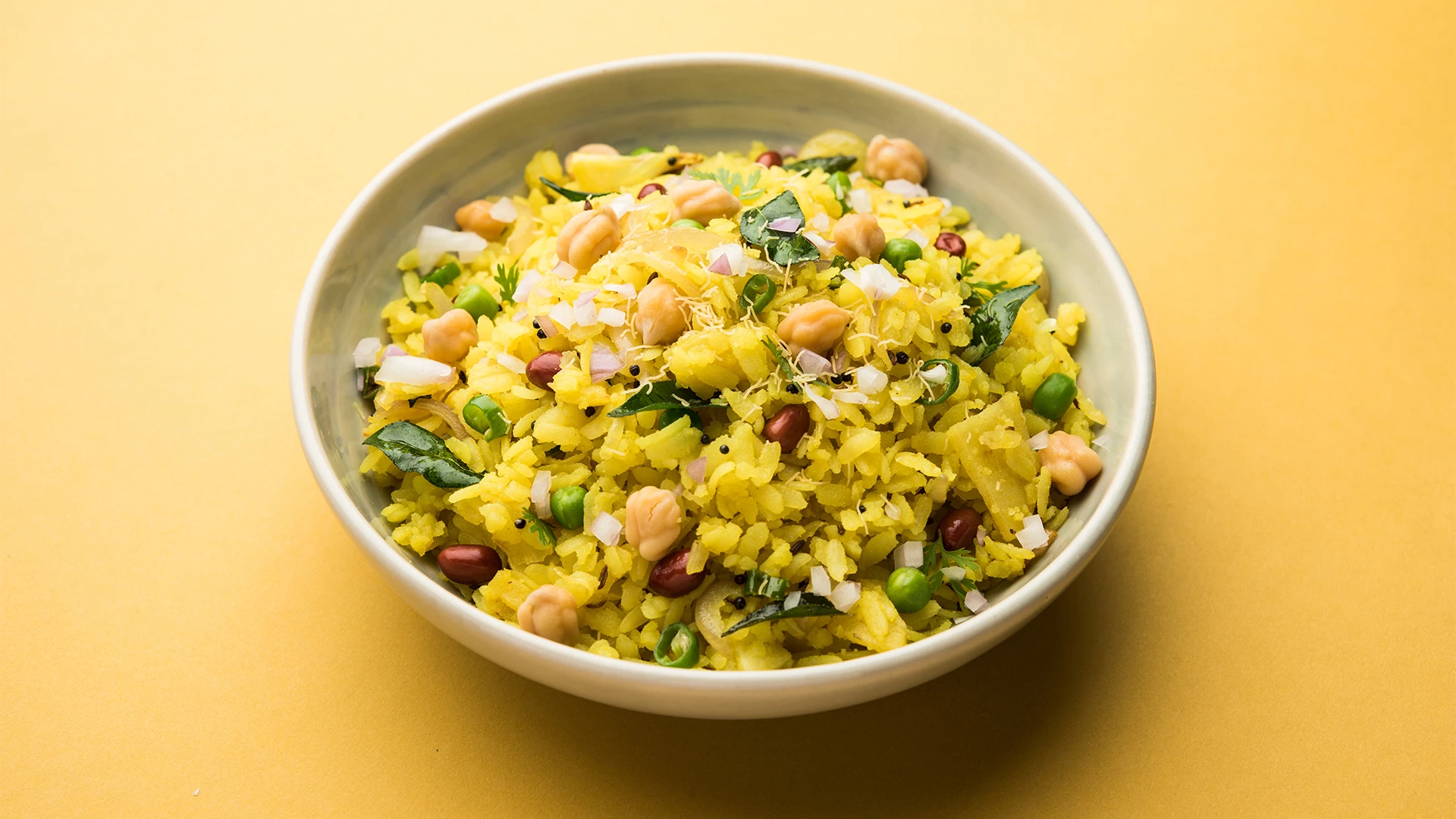
Poha has earned its place as India's favorite breakfast for good reason. This humble flattened rice dish packs surprising nutritional value while keeping calories in check. But here's what most people get wrong about poha calories - they focus only on the rice and ignore how preparation methods can double or triple the calorie count. Understanding the complete nutritional picture helps you make smarter choices about portion sizes, ingredients, and cooking methods. Whether you're tracking calories for weight management or simply want to optimize your morning nutrition, this guide breaks down everything you need to know about poha's caloric and nutritional profile.
The calorie content in poha varies significantly based on preparation method and portion size. Raw poha contains approximately 330-350 calories per 100g, but this number changes dramatically once cooked. A standard serving of cooked poha (one plate, roughly 200g) typically contains 250-300 calories, making it a moderate-calorie breakfast option. Here's the reality check most people miss - the calories in your morning poha depend heavily on cooking oil, added nuts, and vegetables. Plain cooked poha without oil contains around 130 calories per 100g, while restaurant-style preparations can reach 200+ calories for the same portion.
Raw poha is calorie-dense because it's dehydrated. Once you add water and cook it, the volume increases while calorie density decreases. Raw poha absorbs water and roughly doubles in volume during cooking. This means 50g of raw poha becomes approximately 100g when cooked, containing about 165-175 calories.
Standard portion measurements help with accurate calorie tracking:
• 100g cooked poha: 130-150 calories
• 1 plate (200g): 250-300 calories
• 1 cup (150g): 195-225 calories
• Small bowl (120g): 156-180 calories
Kanda poha (onion poha) from Maharashtra typically contains 280-320 calories per plate due to generous oil use and peanut garnish. Gujarati poha tends to be lighter at 220-260 calories per serving, while South Indian avalakki preparations can range from 200-350 calories depending on coconut and oil content.
Poha delivers a balanced macronutrient profile that supports sustained energy release. Per 100g of cooked poha, you get approximately 25-30g carbohydrates, 3-4g protein, and 0.5-1g fat (before adding cooking oil). This makes it primarily a carbohydrate source with moderate protein content. The micronutrient profile sets poha apart from regular rice. Flattened rice processing enhances iron bioavailability, providing about 20-25% of daily iron requirements per serving. B-vitamins, particularly thiamine and niacin, support energy metabolism and nervous system function.
Poha has a moderate glycemic index of 60-70, lower than white rice (70-80) but higher than brown rice (50-55). The flattening process breaks down starch structure, making it easier to digest but also causing faster glucose release. Adding fiber-rich vegetables and protein sources helps moderate blood sugar spikes.
Key nutrients per 100g serving include:
• Iron: 6-8mg (significant for vegetarians)
• Thiamine (B1): 0.4-0.6mg
• Niacin (B3): 3-4mg
• Folate: 15-20mcg
• Magnesium: 25-30mg
Poha contains 2-3g fibre per 100g, primarily insoluble fibre that supports digestive health. While not as fibre-rich as whole grains, it's gentler on sensitive stomachs and easier to digest than many breakfast alternatives.
Poha qualifies as a healthy breakfast choice when prepared mindfully. Research shows that moderate glycemic index foods like poha provide sustained energy without dramatic blood sugar fluctuations. The iron content addresses a critical nutritional gap, especially important for women and vegetarians who often struggle with iron deficiency. The processing method that creates flattened rice actually enhances certain nutrients while making others more bioavailable. Unlike heavily processed breakfast cereals, poha retains most of its natural nutrient profile while being easier to digest than whole rice.
Poha edges out regular white rice in several areas. The flattening process increases surface area, allowing for better nutrient absorption. Iron content is typically 2-3 times higher in poha compared to regular rice. However, brown rice still wins for fibre content and overall nutrient density.
For diabetics, poha can fit into meal plans with proper portion control and smart additions. Adding vegetables, nuts, and a small amount of protein helps slow glucose absorption. The key is limiting portion size to 150-200g and avoiding high-fat preparations.
Poha's iron content makes it particularly valuable for preventing iron-deficiency anemia. The iron is in a form that's relatively well-absorbed, especially when consumed with vitamin C-rich additions like lemon juice or tomatoes.
Poha can support weight loss goals when prepared and portioned correctly. At 130-150 calories per 100g, it's relatively low in calorie density compared to many breakfast options. The key lies in preparation methods and portion awareness. The satiety factor works in poha's favor. The combination of carbohydrates and moderate protein, along with added vegetables, helps maintain fullness for 3-4 hours. This prevents mid-morning snacking that often derails weight loss efforts.
For weight loss, limit portions to:
• 120-150g cooked poha (180-225 calories)
• Add 100g mixed vegetables for volume without significant calories
• Use 1-2 teaspoons oil maximum
• Include 10-15g nuts for healthy fats and protein
Smart preparation techniques can cut calories by 30-40%:
• Use cooking spray instead of oil for tempering
• Increase vegetable ratio to poha ratio
• Add herbs and spices for flavor instead of extra oil
• Choose roasted peanuts over fried ones
• Use lemon juice liberally for tangy flavor
Morning consumption works best for weight management. The moderate glycemic index provides steady energy for morning activities, while the carbohydrate content supports metabolism. Avoid evening consumption as the body's carbohydrate tolerance typically decreases later in the day.
Creating a nutritious, calorie-conscious poha starts with smart ingredient choices and cooking methods. The goal is maximizing nutrition while keeping calories reasonable. Our optimized approach focuses on technique over restriction. Start with quality poha - medium-thick flakes work best as they hold shape without becoming mushy. Rinse gently and drain thoroughly to prevent sogginess. The key to healthy preparation lies in the tempering process and vegetable additions.
Use a non-stick pan to minimize oil requirements. Heat 1-2 teaspoons oil, add mustard seeds, cumin, and curry leaves for tempering. The trick is using water or vegetable stock to prevent sticking instead of adding more oil. This technique reduces calories by 60-80 compared to traditional methods.
Vegetables add volume, nutrients, and fibre without significant calories:
• Onions: Add sweetness and prebiotics
• Tomatoes: Provide vitamin C and lycopene
• Green peas: Boost protein and fibre content
• Carrots: Add beta-carotene and natural sweetness
• Bell peppers: Increase vitamin C and add crunch
Traditional garnishes can add 50-100 calories. Healthier options include:
• Fresh coriander and mint (virtually calorie-free)
• Roasted sesame seeds (15 calories per teaspoon)
• Lemon juice for tangy flavor
• Grated coconut in moderation (20 calories per tablespoon)
Understanding how each ingredient affects total calorie count helps you make informed choices. The base poha contributes about 60-70% of total calories, while added ingredients can significantly impact the final count. Oil and nuts are the highest calorie contributors. Just one extra tablespoon of oil adds 120 calories to your plate. Similarly, a handful of cashews can add 80-100 calories. Smart ingredient management keeps your healthy breakfast from becoming a calorie bomb.
Cooking fats dramatically affect calorie content:
• 1 teaspoon oil: 40 calories
• 1 tablespoon oil: 120 calories
• 1 teaspoon ghee: 45 calories
• 1 tablespoon ghee: 135 calories
Using minimal oil for tempering and relying on vegetables' natural moisture keeps calories controlled.
Nuts provide healthy fats and protein but are calorie-dense:
• 10 peanuts: 35-40 calories
• 5 cashews: 30-35 calories
• 1 tablespoon mixed nuts: 50-60 calories
Limit to 1-2 tablespoons total for balanced nutrition without excessive calories.
Vegetables are your secret weapon for satisfying, low-calorie poha:
• 100g onions: 40 calories
• 100g tomatoes: 18 calories
• 100g green peas: 81 calories
• 100g carrots: 41 calories
Aiming for a 1:1 ratio of poha to vegetables maximizes nutrition while controlling calories.
A standard bowl (150-200g) of homemade poha contains 220-300 calories, depending on preparation method. Restaurant versions can contain 300-400 calories due to generous oil use.
Poha is primarily a carbohydrate source, providing 25-30g carbs per 100g serving. It contains moderate protein (3-4g per 100g) but shouldn't be considered a protein-rich food.
Yes, poha can support weight loss when portion-controlled and prepared with minimal oil. Its moderate calorie density and satiety factor make it suitable for weight management diets.
Poha has advantages over white rice, including higher iron content and easier digestibility. However, brown rice provides more fibre and nutrients overall. Poha works well for those who struggle with whole grain digestion.
Diabetics can include poha in moderation (120-150g portions) with vegetables and protein additions to moderate blood sugar impact. Monitor blood glucose response and adjust portions accordingly.
Morning consumption is optimal. Poha provides sustained energy for daily activities while supporting metabolism. The moderate glycemic index works well with the body's natural morning insulin sensitivity.
200g of cooked poha contains approximately 260-300 calories before adding oil and other ingredients. With typical preparation methods, expect 320-400 total calories per serving.
Poha calories range from 130-150 per 100g when cooked simply, making it a reasonable breakfast choice for most dietary goals. The key to maximizing its nutritional value lies in preparation methods and ingredient choices. Focus on minimal oil use, generous vegetable additions, and appropriate portion sizes to create a satisfying, nutritious meal. Remember that poha's true strength lies in its versatility and digestibility rather than being a superfood. When prepared mindfully, it provides steady energy, essential nutrients like iron, and satisfying volume without excessive calories. Whether you're managing weight, blood sugar, or simply seeking a nutritious breakfast option, poha can fit into a healthy eating pattern with proper preparation and portion awareness.

