










Muesli Benefits: Your Complete Nutrition Guide

Get personalised recommendations with our assessment.
Personalised Health Diagnosis (PHD)
Muesli has quietly revolutionized breakfast tables across the globe, transforming from a simple Swiss creation into a nutritional powerhouse that's reshaping how we think about morning fuel. This isn't just another cereal trend—it's a science-backed approach to starting your day with sustained energy, optimal nutrition, and genuine health benefits. While the wellness industry churns out countless breakfast solutions, muesli stands apart as a time-tested blend that delivers real results without the marketing gimmicks. Whether you're chasing weight loss goals, seeking digestive relief, or simply wanting to upgrade your morning routine, understanding muesli benefits can be your gateway to transformative daily nutrition that actually works.
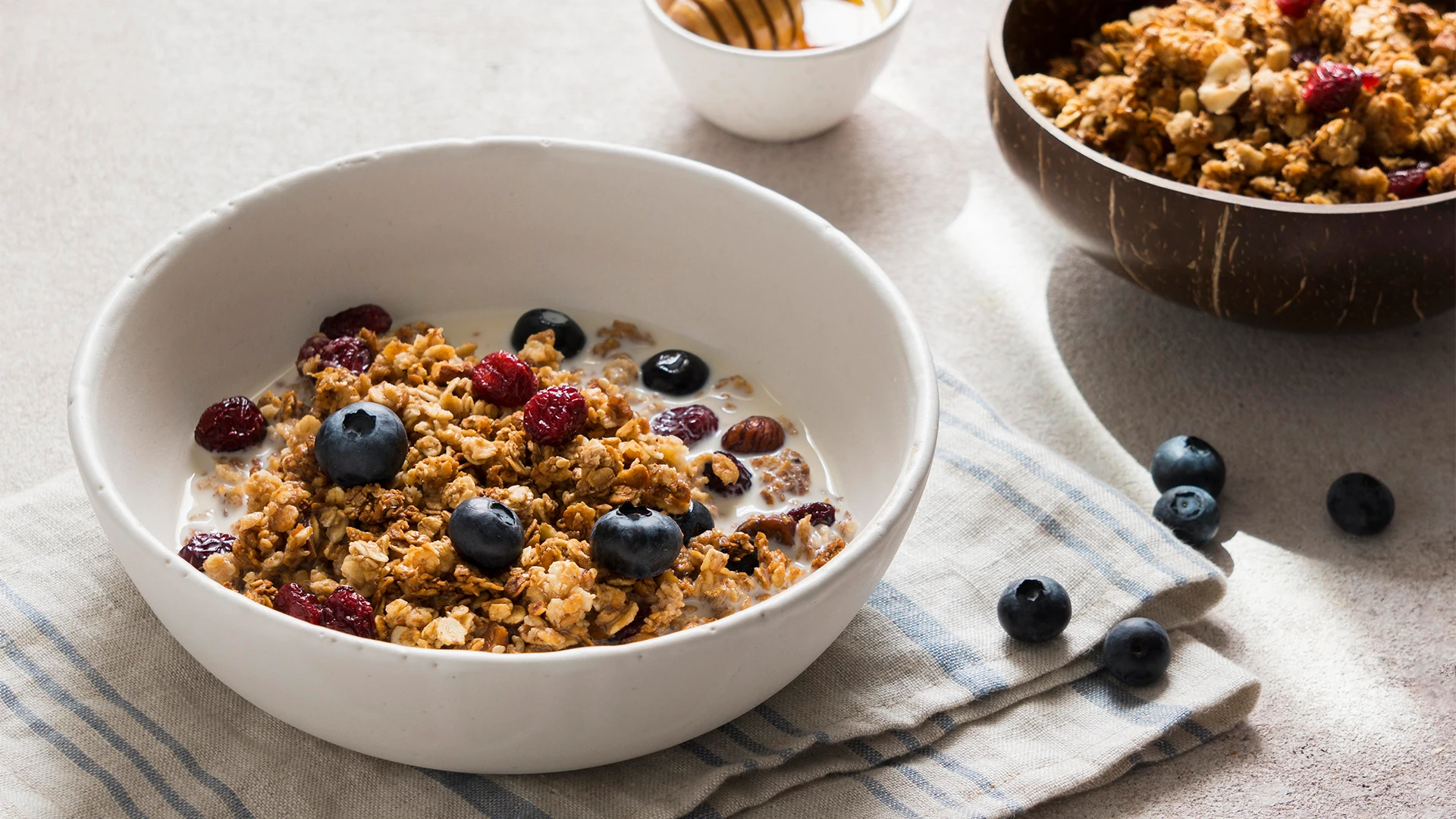
Muesli represents the perfect marriage of simplicity and nutrition—a raw or lightly processed blend of rolled oats, nuts, seeds, and dried fruits that originated in Switzerland over a century ago. Unlike heavily processed breakfast cereals that strip away natural nutrients, muesli preserves the integrity of its whole food ingredients. The foundation of quality muesli lies in its muesli ingredients. Premium blends typically feature rolled oats as the base, providing complex carbohydrates and beta-glucan fibre. Nuts like almonds, walnuts, and hazelnuts contribute healthy fats and protein, while seeds such as sunflower, pumpkin, or flax add essential minerals and omega-3 fatty acids. Dried fruits—raisins, dates, apricots, or berries—provide natural sweetness and antioxidants without artificial additives.
Traditional Swiss muesli remains completely raw, preserving maximum nutrient density and requiring soaking before consumption. Toasted versions offer enhanced flavor and crunch but may contain added oils or sugars that slightly alter the nutritional profile.
Muesli nutrition typically delivers 300-400 calories per 100g serving, with approximately 10-15g protein, 60-70g carbohydrates, and 5-10g healthy fats. The fibre content ranges from 8-12g per serving, making it an exceptional choice for digestive health.
The research behind muesli benefits extends far beyond basic nutrition, revealing a complex web of health advantages that impact everything from cardiovascular function to cognitive performance. These benefits stem from the synergistic interaction of whole grains, healthy fats, plant proteins, and bioactive compounds working together. Energy boosting foods don't get much better than muesli's complex carbohydrate matrix. The combination of oats, nuts, and dried fruits creates a sustained glucose release that maintains stable blood sugar levels for hours. Unlike simple carbohydrates that cause energy spikes and crashes, muesli provides steady fuel that supports both physical and mental performance throughout the morning.
Beta-glucan fibre from oats actively reduces LDL cholesterol levels by binding bile acids in the digestive system. Studies show regular consumption can lower total cholesterol by 5-10% within weeks.
Digestion benefits from muesli's high fibre content extend beyond simple regularity. The combination of soluble and insoluble fibre feeds beneficial gut bacteria while promoting healthy bowel movements and reducing inflammation.
The low glycemic index of quality muesli helps prevent blood sugar spikes, making it particularly beneficial for individuals managing diabetes or insulin resistance.
High fibre and protein content create lasting satiety, naturally reducing calorie intake throughout the day. The complex preparation process also promotes mindful eating habits.
Nuts and seeds provide essential minerals like magnesium, phosphorus, and calcium that support bone density and strength, particularly important for aging adults.
The muesli vs granola debate reveals significant differences that impact your health goals and nutritional outcomes. While both options contain similar base ingredients, their processing methods create vastly different nutritional profiles. Granola typically undergoes baking with added oils, sweeteners, and sometimes artificial flavors. This processing increases calorie density—often 400-500 calories per 100g compared to muesli's 300-400 calories. The added sugars in granola can contribute 15-25g per serving, while quality muesli relies on natural fruit sugars for sweetness.
Heat treatment during granola production can reduce heat-sensitive vitamins like vitamin C and some B vitamins. Raw muesli preserves these nutrients in their natural state.
Commercial granola often contains 10-15g added sugars per serving, while traditional muesli derives sweetness solely from dried fruits, typically contributing 5-8g natural sugars.
Choose muesli for weight management, blood sugar control, and maximum nutrient density. Granola works better for high-energy activities or when you need quick fuel for intense physical performance.
Transforming muesli into your go-to weight loss breakfast requires understanding how its unique composition supports sustainable weight management. The magic lies not in calorie restriction but in nutrient optimization that naturally regulates appetite and metabolism. Fibre rich foods like muesli create mechanical satiety through stomach expansion and hormonal satiety by triggering the release of appetite-suppressing hormones like GLP-1 and CCK. This dual mechanism keeps you satisfied for 4-6 hours, naturally reducing snacking and overeating.
The 10-15g protein per serving supports muscle protein synthesis during weight loss, ensuring you lose fat rather than valuable lean tissue. This preservation of muscle mass maintains metabolic rate.
Stable blood sugar prevents the hunger-inducing crashes that derail weight loss efforts. Muesli's complex carbohydrates provide steady energy without triggering fat storage hormones.
Start with 40-50g dry muesli (about 1/2 cup) and adjust based on your activity level and hunger cues. The high fibre content means smaller portions provide greater satisfaction than processed alternatives.
Navigating the muesli market requires understanding label reading, ingredient quality, and preparation methods that maximize both nutrition and enjoyment. The difference between premium and mediocre muesli often lies in details that dramatically impact your health outcomes. When selecting store-bought options, prioritize products with minimal ingredient lists featuring recognizable whole foods. Avoid varieties with added sugars, artificial preservatives, or excessive dried fruit ratios that skew the nutritional balance toward simple carbohydrates.
Creating your own blend allows complete control over ingredient quality and ratios. Start with organic rolled oats as your base, add 20-30% nuts and seeds, and limit dried fruit to 10-15% of the total mixture.
Muesli recipes can be customized for specific health goals. For weight loss, increase the nut and seed ratio while reducing dried fruit. For athletic performance, add more oats and include energy-dense ingredients like coconut flakes.
Traditional soaking involves combining muesli with liquid 10-15 minutes before eating, allowing oats to soften while maintaining texture. Overnight preparation creates a creamier consistency similar to overnight oats.
Optimizing your muesli experience goes beyond basic preparation—it involves strategic combinations and timing that amplify nutritional benefits and enhance bioavailability of key nutrients. These evidence-based approaches can transform your breakfast from good to exceptional. Liquid selection significantly impacts nutrient absorption and overall satisfaction. Plant-based milks like almond or oat milk provide additional vitamins and minerals while maintaining digestibility. Greek yogurt adds probiotics and extra protein, creating a more complete amino acid profile.
Adding fresh berries, sliced banana, or chopped apple increases vitamin C content, which enhances iron absorption from the oats and seeds. The additional fibre and water content also increases satiety.
Consume muesli 1-2 hours before physical activity to allow for proper digestion while providing sustained energy. For sedentary mornings, smaller portions (40-50g) prevent energy excess that could be stored as fat.
Enhance your muesli with a tablespoon of chia seeds for omega-3 fatty acids, or add a teaspoon of ground flaxseed for lignans and additional fibre. These additions boost the nutritional density without significantly increasing calories.
Daily muesli consumption is not only safe but beneficial for most people. The diverse nutrient profile supports consistent energy levels, digestive health, and cardiovascular function. However, vary your liquid base and fresh additions to ensure nutritional diversity and prevent monotony.
While plain oats provide excellent benefits of oats including beta-glucan fibre and complex carbohydrates, muesli offers superior nutritional completeness. The addition of nuts, seeds, and dried fruits creates a more balanced macronutrient profile with enhanced vitamin, mineral, and healthy fat content.
Muesli pairs excellently with various milk options. Dairy milk provides complete proteins and calcium, while plant-based alternatives like almond, oat, or soy milk offer different nutritional benefits. Choose based on your dietary preferences and tolerance levels.
Muesli supports skin health through multiple mechanisms. Vitamin E from nuts and seeds provides antioxidant protection against free radical damage. Zinc supports collagen synthesis and wound healing, while omega-3 fatty acids help maintain skin barrier function and reduce inflammation.
Most people tolerate muesli well, but some may experience initial digestive adjustment when increasing fibre intake rapidly. Start with smaller portions and gradually increase to allow your digestive system to adapt. Those with nut allergies should choose nut-free varieties or make custom blends.
For weight loss goals, stick to 40-60g of dry muesli per serving, which provides approximately 150-200 calories before adding liquid. This portion delivers adequate fibre and protein for satiety while maintaining a caloric deficit when combined with an overall balanced diet.
Muesli can be suitable for diabetics when chosen carefully. Select varieties with minimal added sugars and higher protein content. The fibre and complex carbohydrates help regulate blood sugar spikes, but portion control remains essential. Always consult with healthcare providers for personalized dietary advice.
Muesli benefits extend far beyond basic breakfast nutrition, offering a scientifically-supported approach to sustained energy, weight management, and long-term health optimization. The combination of whole grains, healthy fats, plant proteins, and natural antioxidants creates a nutritional synergy that processed alternatives simply cannot match. The key to maximizing these benefits lies in choosing quality ingredients, proper preparation methods, and strategic combinations that align with your individual health goals. Whether you're seeking weight loss support, digestive improvement, or simply a more nutritious start to your day, muesli provides a flexible foundation that adapts to your needs. At Ace Blend, we understand that true nutrition goes beyond single ingredients—it's about creating comprehensive solutions that support your journey toward optimal health. While our focus remains on premium plant proteins and functional drinks, we recognize that foundational foods like quality muesli play a crucial role in building the nutritional framework that allows our specialized products to deliver maximum impact.

