










Protein in Maggi: Your Complete Nutrition Guide

Get personalised recommendations with our assessment.
Personalised Health Diagnosis (PHD)
The instant noodle aisle has become a battlefield of convenience versus nutrition. While millions reach for that familiar packet of Maggi, a growing number of health-conscious consumers are asking tough questions about protein content, nutritional value, and whether these quick fixes can actually support their wellness goals. The reality is more nuanced than the black-and-white narratives you'll find online. Let's cut through the noise and examine what Maggi protein actually brings to the table—and where it falls short.
The protein conversation around Maggi isn't as straightforward as reading a nutrition label. Different variants pack varying amounts of protein, and understanding these differences can help you make smarter choices when convenience calls. Standard Maggi Masala delivers approximately 7 grams of protein per 70-gram serving. That's roughly 10% of your daily protein needs if you're following a 2000-calorie diet. The Atta Maggi variants bump this up slightly to around 8 grams per 100-gram serving, thanks to the whole wheat flour base that provides more complete nutrition than refined alternatives.
Regular Masala Maggi contains about 7g protein per standard 70g packet. The Chicken flavor variants typically offer similar protein levels, despite the name suggesting otherwise—the "chicken" is primarily flavoring rather than actual protein enhancement. Atta-based varieties provide marginally better protein density due to the whole grain flour foundation.
When you break down protein per 100 grams, most instant noodle brands cluster around the 8-12g range. Maggi sits comfortably in this spectrum, though it's neither the highest nor lowest performer. The real value proposition comes from accessibility and cost—at roughly 10-15 rupees per packet, you're getting decent protein bang for your buck, even if it's not optimal nutrition.
The landscape of high protein noodles has evolved significantly, with manufacturers responding to consumer demand for better nutrition without sacrificing convenience. Maggi has attempted to address this through various product line extensions, though the results are mixed. The Nutri-licious range represents Maggi's most serious attempt at creating protein enriched Maggi options. These variants incorporate fortification strategies and alternative flour bases to boost overall nutritional value. However, the protein enhancement is often modest—typically adding 1-2 grams per serving compared to standard varieties.
The Atta-based formulations use whole wheat flour as their foundation, providing more fibre and slightly better protein quality than refined flour alternatives. Some variants include added vitamins and minerals, though the protein boost remains incremental rather than transformative.
Most protein in Maggi comes from wheat gluten—the natural protein found in wheat flour. This provides an incomplete amino acid profile, missing some essential amino acids your body can't produce on its own. Added protein fortification, when present, typically uses plant-based protein isolates or concentrates.
The question "Is Maggi good for the gym?" deserves a nuanced answer. While Maggi for muscle gain isn't exactly a winning strategy, it's not nutritional poison either. The key lies in understanding context and expectations. For serious muscle building, you need roughly 1.6-2.2 grams of protein per kilogram of body weight daily. A single packet of Maggi provides maybe 10-15% of that requirement for an average adult. It's supplementary at best, not foundational. However, as part of a broader nutrition strategy, it can contribute to your daily protein intake without derailing your goals.
Maggi can fit into active lifestyles as an occasional convenience food, but it shouldn't be your primary protein source. The refined carbohydrates provide quick energy, which can be useful for pre-workout fuel, though the high sodium content and preservatives make it less than ideal for regular consumption.
For daily vitality Maggi consumption, moderation is key. The convenience factor can't be ignored—sometimes having a quick, moderately nutritious meal is better than skipping meals entirely. The protein content, while modest, contributes to satiety and can help maintain energy levels during busy periods.
Smart preparation can transform Maggi from a basic convenience food into a more balanced meal. The secret lies in strategic additions that complement the existing protein while adding nutritional value. Protein packed instant noodles become reality when you add eggs, paneer, tofu, or lean meats to your preparation. A single egg adds 6 grams of high-quality protein, nearly doubling the protein content of your meal. Paneer contributes both protein and calcium, while vegetables add fiber, vitamins, and minerals that Maggi lacks.
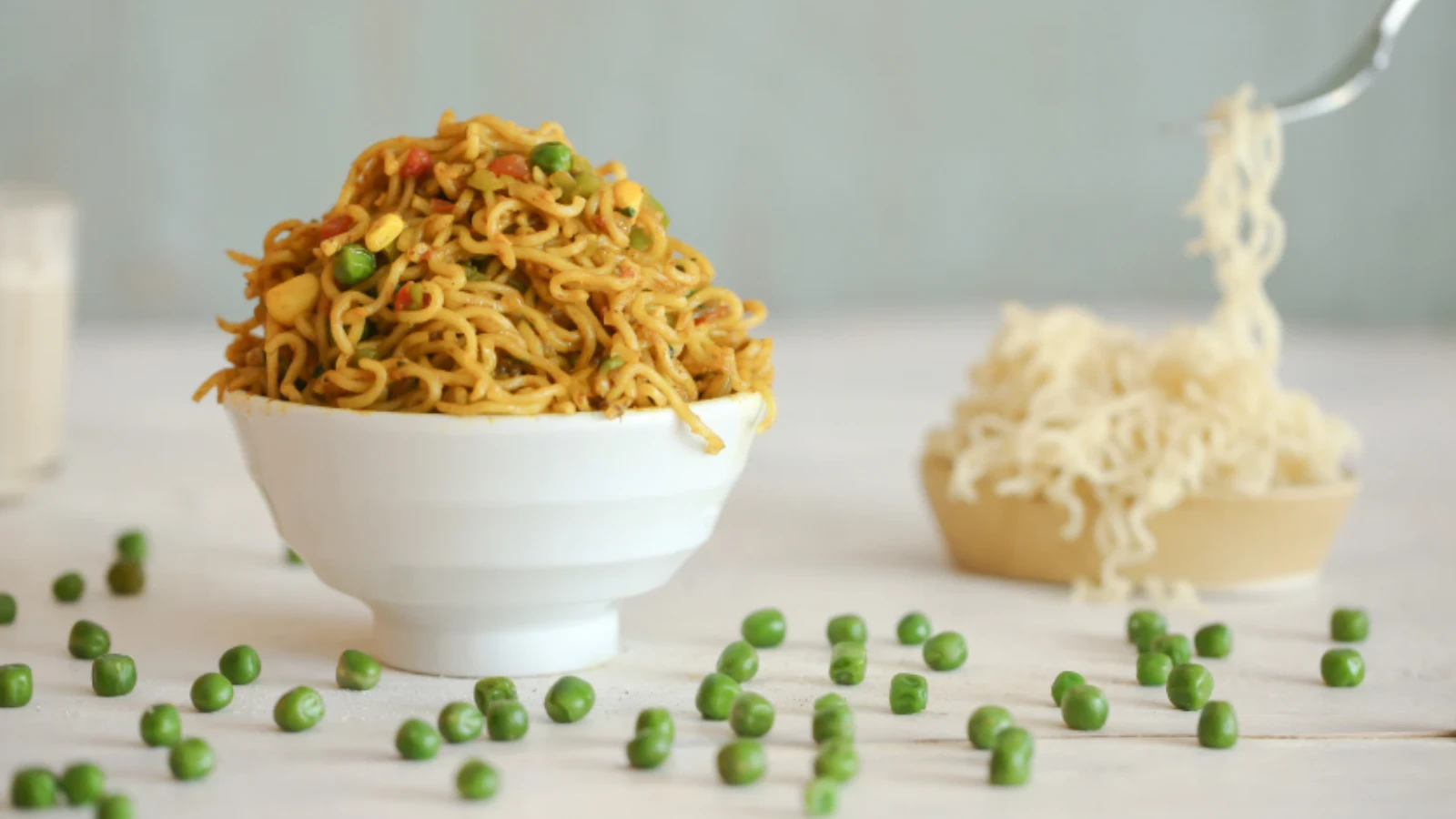
Scramble an egg directly into the cooking noodles for an instant protein boost. Add cubed paneer or tofu during the last minute of cooking to maintain texture. Include frozen peas, corn, or chopped vegetables for additional nutrients and fiber that help slow carbohydrate absorption.
Use Maggi as a foundation rather than a complete meal. Pair it with a side of yogurt for probiotics and additional protein. Include a small salad or steamed vegetables to add volume and nutrients without excessive calories. This approach transforms a simple convenience food into a more nutritionally complete meal.
Let's address the elephant in the room: Maggi isn't health food, and pretending otherwise does nobody any favors. The high sodium content, refined carbohydrates, and preservatives place it firmly in the "occasional treat" category rather than daily nutrition staple. A single packet contains roughly 800-900mg of sodium—nearly half your daily recommended intake. The refined flour provides quick energy but lacks the fibre and nutrients found in whole grains. However, demonizing it entirely ignores the reality of modern life, where convenience sometimes trumps perfect nutrition.
The flash-frying process used to create instant noodles removes moisture but also degrades some nutrients. The high sodium content serves as both flavoring and preservation, extending shelf life at the cost of cardiovascular health when consumed regularly. Understanding these trade-offs helps you make informed decisions about frequency and context.
Whole grain instant noodles provide better fibre content and more stable blood sugar response. Some brands offer reduced-sodium varieties or use alternative grains like quinoa or brown rice. DIY instant noodle solutions using whole grain pasta and homemade seasoning blends offer maximum control over ingredients and nutrition.
Answer: A standard 70g packet of Maggi Masala contains approximately 7 grams of protein. Atta variants may contain slightly more, around 8 grams per 100g serving, due to the whole wheat flour base.
Answer: Maggi provides modest protein content but isn't optimal for muscle building. The protein is incomplete, lacking some essential amino acids. For serious muscle gain, focus on complete protein sources like eggs, dairy, meat, or high-quality plant proteins, using Maggi only as an occasional supplement.
Answer: Daily Maggi consumption isn't recommended due to high sodium content, refined carbohydrates, and preservatives. Occasional consumption (1-2 times per week) can fit into a balanced diet, especially when enhanced with vegetables, eggs, or other nutritious additions.
Answer: Maggi's protein content is comparable to most instant noodle brands, typically ranging from 8-12g per 100g. The protein quality is similar across brands since most use wheat flour as the primary ingredient. The main differences lie in sodium content, additives, and fortification levels.
Answer: Add eggs, paneer, tofu, or lean meats during cooking. Include legumes like boiled chickpeas or kidney beans. These additions can double or triple the protein content while adding essential amino acids that complement the wheat protein in noodles.
Answer: The Nutri-licious and Atta-based variants offer marginally higher protein content compared to regular varieties. However, the increase is modest—typically 1-2 grams per serving. For significantly higher protein, you'll need to modify the preparation with additional protein sources.
Maggi protein content sits in the realm of "adequate but not exceptional." With 7-8 grams per serving, it contributes to your daily protein intake without being a nutritional powerhouse. The real value lies in understanding how to use it strategically—as an occasional convenience food that can be enhanced with smart additions rather than a primary protein source. The key is context and moderation. When life gets hectic and you need something quick, Maggi with added vegetables and an egg becomes a reasonable meal choice.
When you have time and energy for proper cooking, invest in whole foods that provide superior nutrition. This balanced approach acknowledges both the realities of modern life and the importance of long-term health. For those serious about optimizing their protein intake, consider exploring plant-powered protein solutions that offer complete amino acid profiles without the processing concerns of instant foods. Quality protein sources support not just muscle building but overall vitality, energy levels, and long-term wellness—areas where convenience foods simply can't compete with thoughtfully formulated nutrition.


Someone sent you
Error
Powered by ReferRush