










Maggi Nutrition: Everything You Need to Know

Get personalised recommendations with our assessment.
Personalised Health Diagnosis (PHD)
Let's be real—when hunger strikes and you need something quick, Maggi often becomes the go-to solution. But have you ever stopped to wonder what's actually in that familiar yellow packet? With millions of people consuming instant noodles daily, understanding Maggi nutrition isn't just curiosity—it's essential knowledge for making informed food choices. The truth about instant noodles might surprise you, especially when you dig deeper into the Maggi nutritional value and how it impacts your daily health goals.
A single packet of Maggi delivers approximately 310 calories, making it a substantial snack or light meal option. But calories tell only part of the story when evaluating Maggi nutrition.
The Maggi protein content sits at around 6-8 grams per 70-gram serving, contributing roughly 12% of your daily protein needs. While this isn't insignificant, it's primarily derived from wheat gluten rather than complete protein sources. The Maggi carbs dominate the nutritional profile at 43 grams per serving, representing about 16% of daily carbohydrate requirements. These are predominantly refined carbohydrates that provide quick energy but lack the sustained fuel your body craves.
The Maggi fat content ranges between 11-13 grams total fat per serving, with approximately 7 grams coming from saturated fats. This represents about 17% of your daily fat allowance, with palm oil being the primary contributor. The high saturated fat content raises questions about long-term cardiovascular health when consumed regularly.
Maggi includes iron fortification, providing about 15% of daily iron requirements per serving. This fortification addresses common nutritional deficiencies in the Indian population. However, the Maggi sodium content presents a significant concern at 970mg per serving—that's 42% of your entire daily sodium allowance in just one packet.
The Maggi ingredients list reveals the complexity behind this seemingly simple product. Understanding what goes into your instant noodles helps you make better dietary decisions.
Wheat flour forms the foundation, providing the carbohydrate structure. However, this is refined wheat flour, stripped of fibre and many natural nutrients. Palm oil serves as the fat source, chosen for its stability and shelf-life properties rather than nutritional benefits. The wheat gluten adds protein content but may pose issues for those with gluten sensitivities.
The masala packet contains a complex blend of spices, salt, flavor enhancers, and preservatives. Monosodium glutamate (MSG) often appears as a taste enhancer, though it's generally recognized as safe by food authorities. Artificial colors and flavors create the familiar taste profile that makes Maggi so appealing to millions.
Various preservatives ensure long shelf life, while stabilizers maintain texture during storage. These additives, while safe in approved quantities, contribute to the processed nature of the product. Understanding these components helps you evaluate how instant noodles nutrition fits into your overall dietary pattern.
The question "is Maggi healthy" doesn't have a simple yes or no answer. Like many processed foods, the health impact depends on consumption frequency, portion sizes, and overall dietary context.
The Maggi benefits include convenience for busy lifestyles and quick energy provision. The iron fortification genuinely helps address nutritional deficiencies, particularly important in populations prone to anemia. For active individuals needing rapid energy replenishment, the carbohydrate content serves a functional purpose. The affordability factor makes it accessible nutrition for budget-conscious consumers.
The high sodium content poses the most significant health concern, potentially contributing to hypertension and cardiovascular issues with regular consumption. The refined carbohydrates can cause blood sugar spikes, particularly problematic for individuals managing diabetes. The low fiber content (approximately 2 grams per serving) means minimal digestive health benefits. The processed nature means you're missing out on the diverse nutrients found in whole foods.
When comparing instant noodles nutrition across brands, Maggi falls within typical industry standards. However, this doesn't necessarily make it a nutritional powerhouse. The convenience factor often overshadows nutritional considerations, but understanding these trade-offs helps you make conscious choices about when and how often to include instant noodles in your diet.
Different Maggi variants offer slightly different nutritional profiles, though the core concerns remain consistent across products.
The traditional masala flavor represents the baseline Maggi nutritional value that most people recognize. This variant typically contains the standard 310 calories per serving with the macronutrient distribution mentioned earlier. The spice blend adds minimal calories but contributes significantly to sodium content.
Chicken-flavored variants often contain slightly higher sodium levels, sometimes reaching 1255mg per serving. Vegetable variants may include small amounts of dehydrated vegetables, adding minimal fibre and micronutrients. These additions don't significantly alter the overall nutritional profile but may appeal to specific taste preferences.
Different packet sizes affect total nutritional intake. Smaller packets contain proportionally less of everything, while larger family packs increase all nutritional values accordingly. Regional variations in spice levels can affect sodium content, with some markets receiving lower-sodium formulations.
If you choose to include Maggi in your diet, several strategies can improve its nutritional value and minimize potential health impacts.
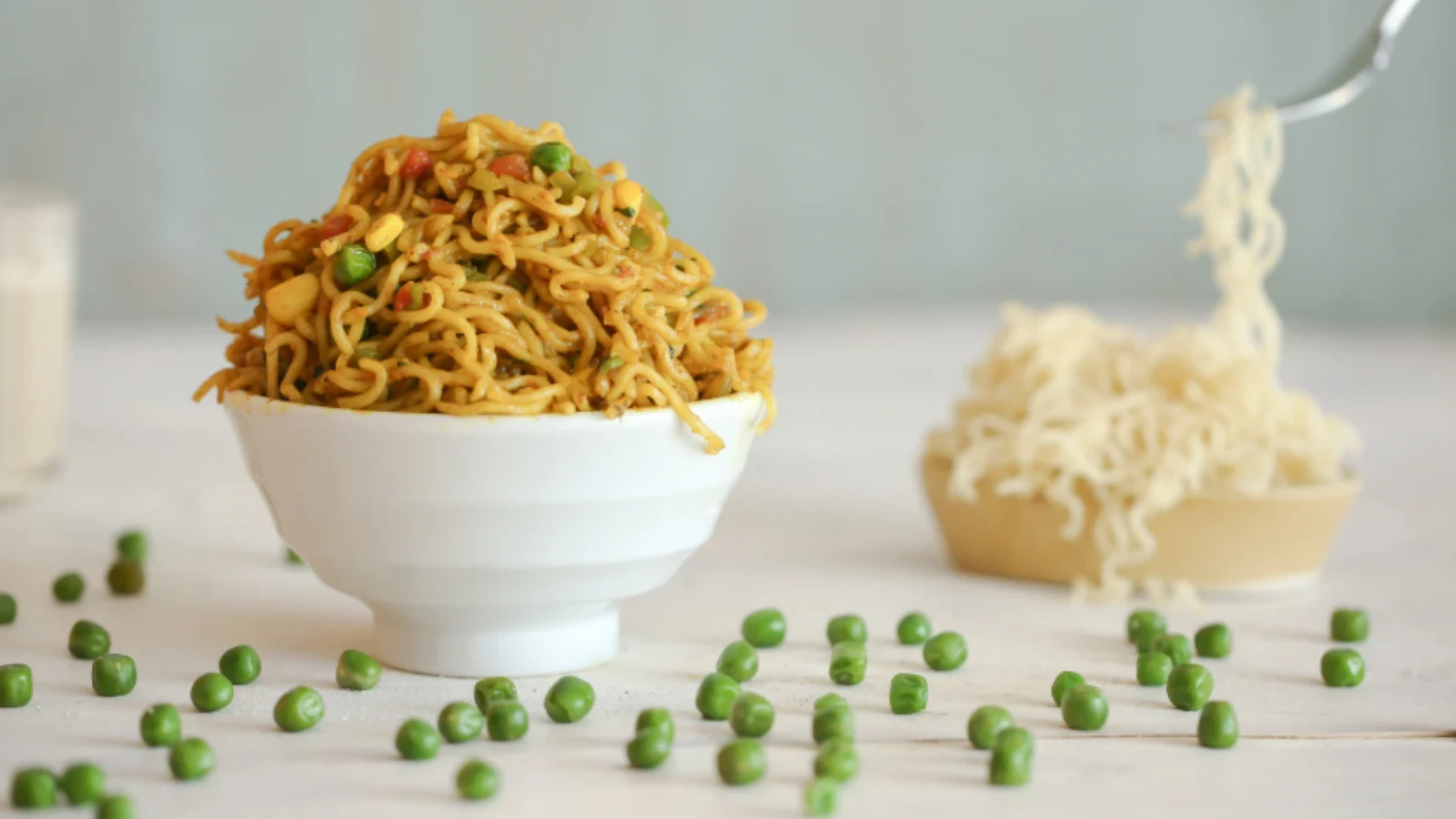
Adding fresh vegetables significantly boosts fibre, vitamins, and minerals while diluting the sodium concentration per bite. Including a protein source like eggs, paneer, or lean meat transforms Maggi from a carbohydrate-heavy snack into a more balanced meal. Using only half the seasoning packet reduces sodium intake while maintaining flavor.
Draining excess water after cooking removes some sodium and oil. Adding the noodles to a larger volume of vegetables creates better nutritional balance. Incorporating whole grains like quinoa or brown rice increases fibre and nutrient density.
Limiting consumption to occasional treats rather than regular meals minimizes health risks. Pairing Maggi with nutrient-dense foods helps offset its nutritional limitations. Viewing it as a convenience food rather than a nutritional staple maintains perspective on its role in your diet.
Answer: One standard 70-gram packet of Maggi contains approximately 310 calories. This represents about 15% of a 2000-calorie daily diet, making it a substantial snack or light meal option.
Answer: Maggi's high calorie and sodium content, combined with refined carbohydrates, makes it less ideal for weight loss. The lack of fibre and protein means it won't keep you satisfied long, potentially leading to overeating later.
Answer: Maggi contains approximately 970mg of sodium per serving, which is 42% of the recommended daily limit. High sodium intake is linked to increased blood pressure and cardiovascular disease risk, especially with regular consumption.
Answer: Diabetics should consume Maggi cautiously due to its refined carbohydrate content, which can cause blood sugar spikes. If consumed, it should be paired with protein and vegetables to slow glucose absorption.
Answer: Homemade noodles typically contain less sodium, fewer preservatives, and can be made with whole grain flour for better nutrition. You also control the ingredients, allowing for healthier oil choices and fresh vegetables.
Answer: Daily Maggi consumption isn't recommended due to high sodium content, refined carbohydrates, and lack of essential nutrients. Occasional consumption as part of a varied diet poses minimal health risks.
Understanding Maggi nutrition empowers you to make informed dietary choices. While Maggi provides quick energy and convenience, its high sodium content and refined ingredients make it better suited as an occasional treat rather than a dietary staple. The Maggi nutritional value can be enhanced through smart preparation techniques and thoughtful additions. The key lies in balance and moderation. If you enjoy Maggi, consume it mindfully, enhance it with nutritious additions, and ensure it doesn't replace more nutrient-dense meals in your diet. Remember that true nutrition comes from variety, and no single processed food should dominate your eating pattern. By understanding what's in your food, you take control of your health journey—one informed choice at a time.


Someone sent you
Error
Powered by ReferRush