
















Lion's Mane Benefits: Your Complete Guide

Get personalised recommendations with our assessment.
Personalised Health Diagnosis (PHD)
Lion's mane mushrooms are having a moment, and for good reason. This distinctive white, cascading fungus isn't just catching eyes on social media—it's revolutionizing how we think about brain health and cognitive performance. While the wellness world loves to chase trends, lion's mane benefits are backed by solid science, not just hype. From ancient Chinese medicine cabinets to modern research labs, this nootropic mushroom has proven its worth as nature's brain booster. Whether you're looking to sharpen your focus, support memory, or simply optimize your daily vitality, understanding what lion's mane can actually do for you is the first step toward smarter supplementation.
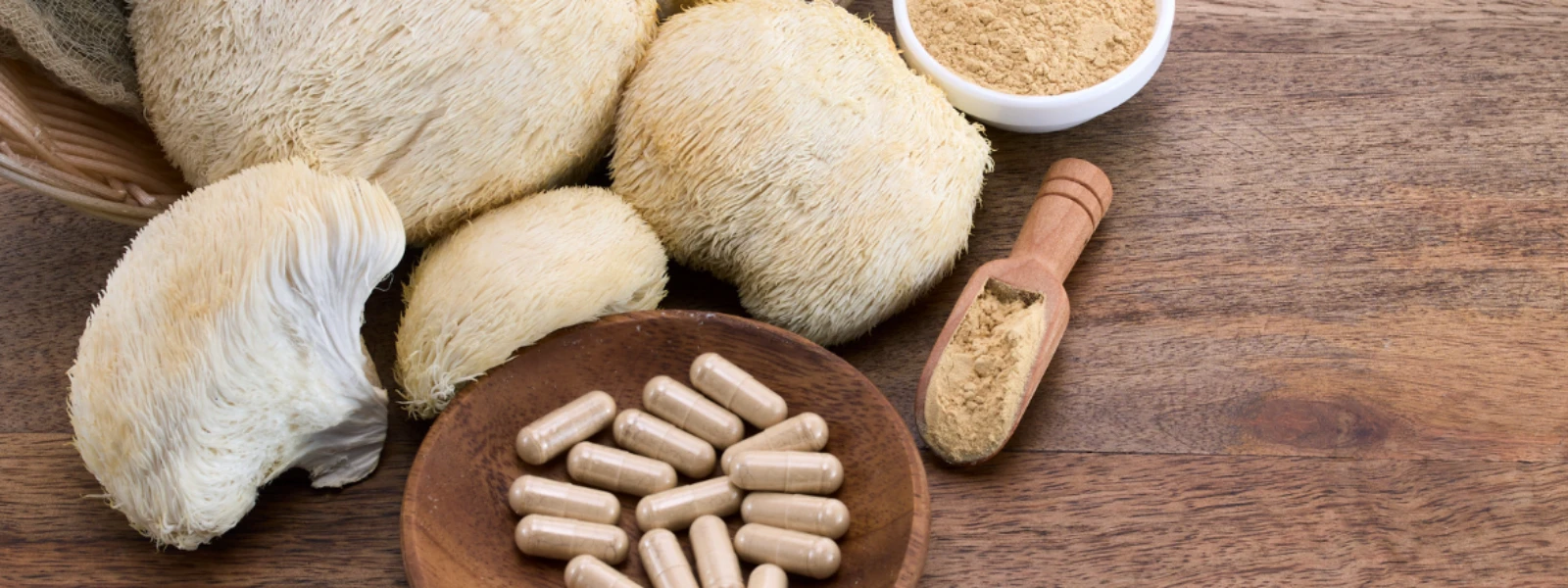
Lion's mane (Hericium erinaceus) looks nothing like your typical mushroom. Instead of a cap and stem, it resembles a white waterfall of icicle-like spines that cascade downward. This unique appearance earned it the nickname "bearded tooth mushroom" and "pom pom mushroom." But don't let its quirky looks fool you—this fungus packs serious neurological punch. Traditional Chinese medicine has revered lion's mane for centuries, calling it "yamabushitake" and using it to support digestive health and general vitality. Modern science has revealed why ancient practitioners were onto something big. The secret lies in two powerful bioactive compounds: hericenones and erinacines. These compounds can cross the blood-brain barrier and stimulate the production of nerve growth factor (NGF), a protein crucial for neuron health and regeneration.
While reishi promotes relaxation and cordyceps boosts energy, lion's mane specifically targets cognitive function. Its unique ability to support nerve regeneration sets it apart in the nootropic mushrooms category. This makes it particularly valuable for anyone looking to maintain sharp mental performance as they age.
Research shows that lion's mane can stimulate the synthesis of nerve growth factor by up to 5-fold. This isn't just impressive—it's revolutionary for brain health. The mushroom's ability to promote neuroplasticity means it may help your brain form new neural connections, potentially improving learning and memory.
The lion's mane benefits extend far beyond just brain health, though that's certainly where it shines brightest. Clinical studies have revealed a comprehensive range of health advantages that make this mushroom a standout in the natural supplements world. Let's break down what the research actually shows.
A landmark 2009 study published in Phytotherapy Research followed adults with mild cognitive impairment for 16 weeks. Those taking lion's mane showed significant improvements in cognitive function compared to the placebo group. The benefits appeared after just 8 weeks of supplementation, with continued improvement throughout the study period. Daily users report sharper focus, clearer thinking, and improved mental clarity. The mushroom appears to support both short-term working memory and long-term memory consolidation, making it valuable for students, professionals, and anyone looking to maintain cognitive performance.
Lion's mane's ability to stimulate nerve growth factor production is perhaps its most remarkable feature. NGF is essential for the growth, maintenance, and survival of neurons. This makes lion's mane potentially valuable for supporting recovery from nerve injuries and protecting against neurodegenerative conditions. Animal studies suggest that lion's mane may help repair damaged nerves and support the regeneration of neural pathways. While human studies are still emerging, the preliminary evidence is promising for neurological health support.
Beyond cognitive enhancement, lion's mane benefits extend to emotional well-being. A 2010 study found that women consuming lion's mane cookies for four weeks reported reduced feelings of anxiety and irritation compared to those eating placebo cookies. The mushroom's anti-inflammatory properties may help reduce neuroinflammation, which is increasingly linked to depression and anxiety. By supporting overall brain health, lion's mane may contribute to more stable mood and better stress resilience.
Like other medicinal mushrooms, lion's mane contains beta-glucans that support immune function. These compounds help modulate immune responses, potentially reducing chronic inflammation while maintaining the body's ability to fight off infections. The mushroom's antioxidant properties help combat oxidative stress, which can damage cells and contribute to aging. Regular consumption may support overall immune system balance and resilience.
Traditional use of lion's mane for digestive health is supported by modern research. The mushroom contains compounds that may help protect the stomach lining and support healthy gut bacteria. Some studies suggest it may help prevent stomach ulcers and support overall digestive function. The prebiotic properties of lion's mane can feed beneficial gut bacteria, supporting the gut-brain axis that's crucial for both digestive and mental health.
Emerging research suggests lion's mane may support cardiovascular health by improving fat metabolism and preventing the oxidation of cholesterol. Animal studies show potential benefits for maintaining healthy cholesterol levels and supporting overall heart health. These metabolic benefits may also contribute to better energy levels and daily vitality, making lion's mane a comprehensive wellness support mushroom.
Getting the most from lion's mane benefits requires understanding the different forms available and how to use them effectively. The supplement market offers various options, each with distinct advantages and considerations.
Lion's mane comes in several forms: fresh mushrooms, dried powder, and concentrated extracts. Fresh mushrooms offer the full spectrum of compounds but are harder to find and less convenient for daily use. Dried powder provides good bioavailability and can be easily mixed into foods or drinks. Concentrated extracts offer the highest potency and are standardized for active compounds. Look for extracts that specify the concentration of hericenones and erinacines, as these are the key bioactive compounds responsible for most lion's mane benefits.
Research-based dosing typically ranges from 500mg to 3000mg daily, depending on the extract concentration. Most studies showing cognitive benefits used doses between 1000-3000mg of lion's mane extract daily. Start with a lower dose (500-1000mg) and gradually increase based on your response. For those new to nootropic mushrooms, beginning with 500mg daily allows you to assess tolerance while still providing meaningful benefits. The key is consistency rather than high doses.
Timing can influence lion's mane benefits. Many users prefer taking it in the morning to support focus and cognitive function throughout the day. Unlike stimulants, lion's mane won't cause jitters or crashes, making it suitable for any time of day. Taking lion's mane with food may improve absorption and reduce any potential stomach sensitivity. Some people prefer splitting their daily dose between morning and afternoon to maintain steady cognitive support.
While lion's mane is generally well-tolerated, understanding potential side effects helps ensure safe and effective use. Most people experience no adverse effects, but awareness of possible reactions is important for responsible supplementation. Common mild side effects may include skin rashes, particularly in people with mushroom allergies. Some users report mild digestive upset when first starting supplementation, which typically resolves as the body adjusts. Starting with lower doses can minimize these effects. People with mushroom allergies should exercise caution and consider consulting a healthcare provider before use. Those taking blood-thinning medications should also seek medical advice, as some mushroom compounds may interact with anticoagulant drugs.
Pregnant and breastfeeding women should avoid lion's mane due to limited safety data in these populations. People with autoimmune conditions should consult healthcare providers, as immune-modulating effects could potentially affect their condition. Individuals scheduled for surgery should discontinue use at least two weeks beforehand, as the mushroom's potential blood-thinning effects could complicate procedures.
Understanding the timeline for lion's mane benefits helps set realistic expectations and maintain consistent use. Unlike synthetic nootropics that may provide immediate effects, natural supplements like lion's mane work gradually to support long-term brain health. Most users notice initial cognitive improvements within 2-4 weeks of consistent use.
However, the most significant benefits typically emerge after 8-12 weeks of regular supplementation. This timeline aligns with research studies that showed progressive improvements over several months. Factors affecting response time include individual metabolism, baseline health status, dosage, and the quality of the supplement. Some people may notice subtle improvements in focus and mental clarity within the first week, while others require longer to experience noticeable changes.
Early benefits often include improved focus during mentally demanding tasks and slightly better mental clarity. Sleep quality may also improve as the mushroom supports overall neurological health. These initial changes lay the foundation for more significant long-term benefits.
The supplement market is flooded with lion's mane products of varying quality. Selecting a high-quality supplement ensures you receive the full spectrum of lion's mane benefits while avoiding potential contaminants or ineffective products. Look for supplements that specify the concentration of active compounds, particularly hericenones and erinacines. Third-party testing for purity and potency provides additional assurance of quality. Organic certification helps ensure the mushrooms were grown without harmful pesticides or chemicals. Extract ratios indicate concentration levels—higher ratios generally mean more potent products. However, extremely high ratios aren't necessarily better if they compromise the full spectrum of beneficial compounds found in the whole mushroom.
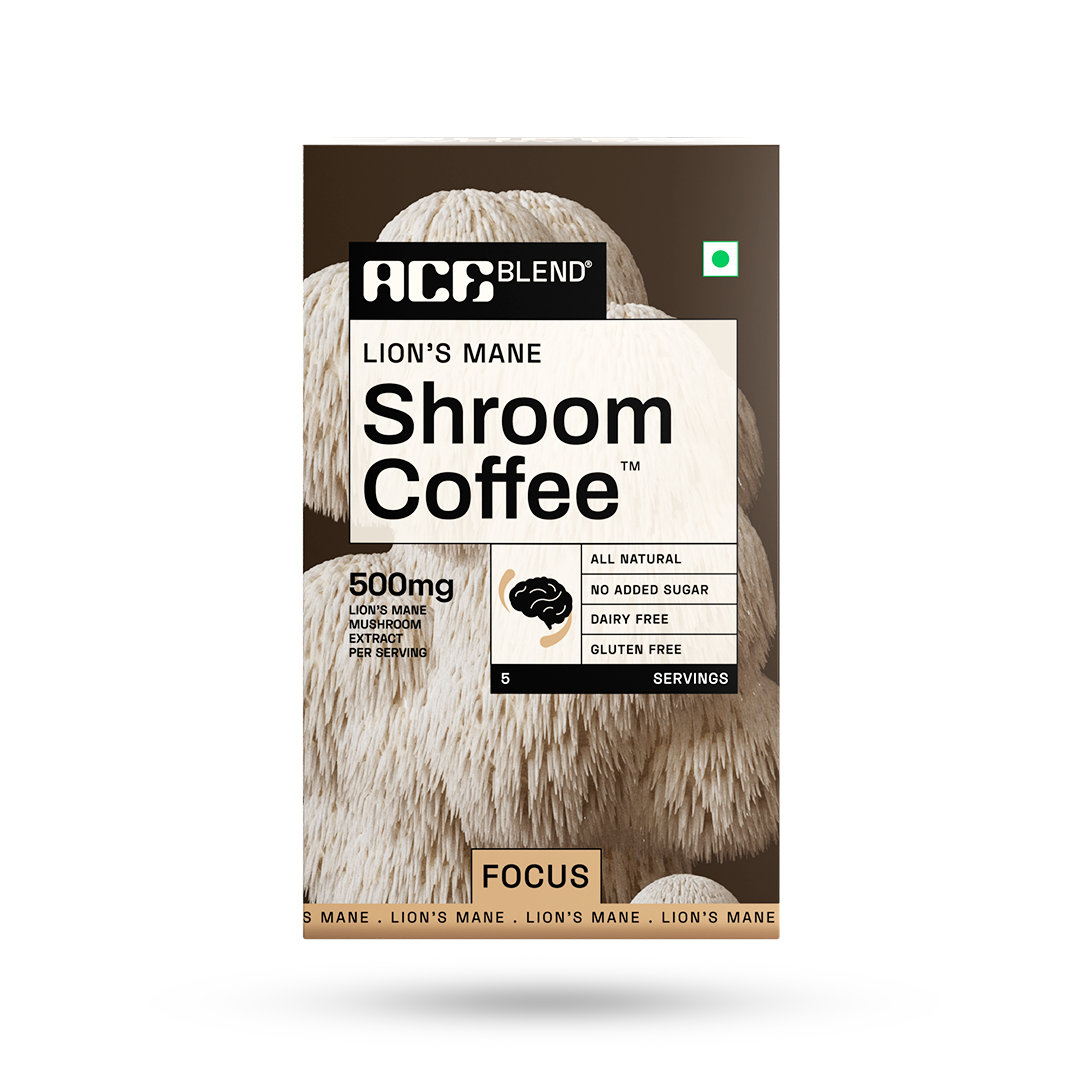
Reputable manufacturers provide certificates of analysis showing testing results for heavy metals, pesticides, and microbial contamination. Clear labeling of extraction methods and standardization helps ensure consistent potency across batches. At Ace Blend, our Lion's Mane coffee combines the cognitive benefits of this powerful nootropic mushroom with the familiar ritual of your morning brew. We source high-quality lion's mane extract and ensure each serving delivers meaningful amounts of bioactive compounds for optimal brain health support.
Yes, daily use of lion's mane is generally safe for most people. Clinical studies have used daily dosing for months without significant adverse effects. However, taking periodic breaks (such as one week off every 8-12 weeks) may help maintain sensitivity to the mushroom's effects.
Lion's mane typically combines well with other natural supplements. It pairs particularly well with other nootropic mushrooms like cordyceps for energy or reishi for stress management. However, consult a healthcare provider if you're taking prescription medications, especially blood thinners.
Extracts are concentrated forms that contain higher levels of active compounds per serving. Powders are typically whole mushroom preparations that may be less concentrated but provide the full spectrum of mushroom compounds. Extracts generally offer more potent effects in smaller doses.
Lion's mane works gradually to support long-term brain health rather than providing immediate cognitive enhancement like synthetic nootropics. It's generally safer with fewer side effects but requires consistent use over weeks or months to achieve optimal benefits.
While research is promising, lion's mane shouldn't be considered a treatment for ADHD or other medical conditions. Some users report improved focus and attention, but anyone with diagnosed cognitive conditions should work with healthcare providers for appropriate treatment.
Lion's mane benefits extend far beyond trendy wellness marketing—this nootropic mushroom offers scientifically-backed support for cognitive function, nerve health, and overall daily vitality. The key to success lies in consistent use, appropriate dosing, and choosing high-quality supplements from reputable sources. Whether you're looking to maintain sharp mental performance, support long-term brain health, or simply optimize your cognitive function, lion's mane represents a natural, well-researched option.
Remember that the best results come from patience and consistency, as the mushroom's benefits build over time rather than providing instant gratification. As with any supplement, individual responses vary, and what works best for you may require some experimentation with timing, dosage, and forms. The growing body of research continues to validate what traditional medicine has known for centuries—lion's mane truly deserves its reputation as nature's brain booster.


Someone sent you
Error
Powered by ReferRush