










Idli Sambar Nutrition: Everything You Need to Know

Get personalised recommendations with our assessment.
Personalised Health Diagnosis (PHD)
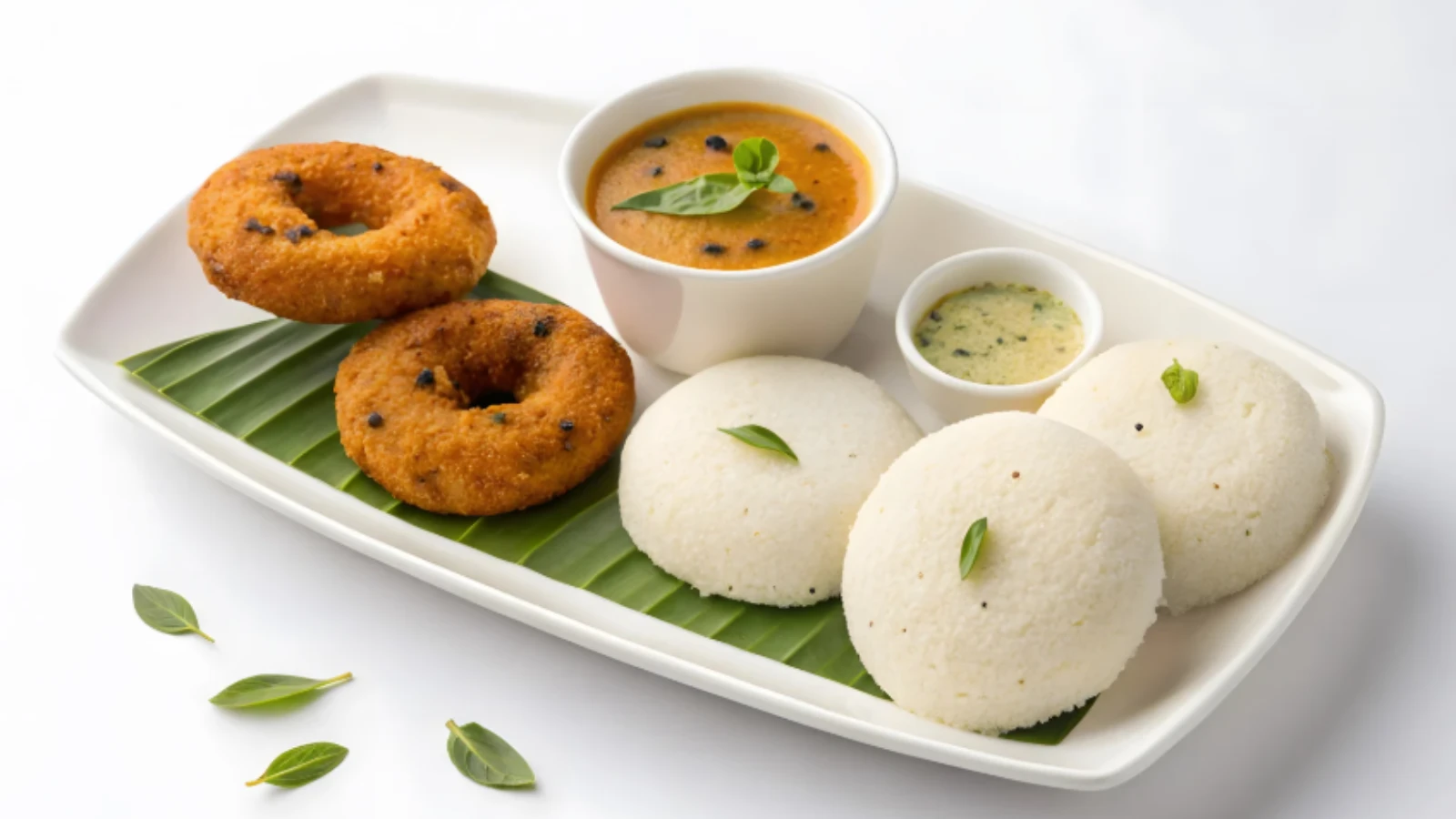
South Indian breakfast lovers, let's talk numbers. You've probably wondered about the calories in idli sambar while savoring this beloved morning meal. This steamed rice cake paired with tangy lentil curry isn't just comfort food—it's a nutritional powerhouse that deserves a closer look. Whether you're tracking calories for weight management or simply curious about what fuels your morning, understanding idli sambar nutrition helps you make informed choices. We're breaking down everything from single-serving counts to complete meal combinations, plus sharing smart tips to optimize this classic breakfast for your health goals.
Here's what you need to know about calories in idli sambar without the guesswork. A typical serving of 2 idlis with sambar contains approximately 200-250 calories, making it a surprisingly light breakfast option. However, the exact count depends on preparation methods, portion sizes, and accompaniments. For quick reference, here's the breakdown:
• 2 idlis + sambar: 200-250 calories
• 3 idlis + sambar: 290-320 calories
• 4 idlis + sambar + chutney: 400-500 calories
• Single idli: 60-100 calories
• 1 bowl sambar: 100-200 calories
Understanding individual components helps you customize portions effectively. Calories in idli range from 60-100 per piece, depending on size and rice-to-lentil ratio. Homemade idlis typically contain fewer calories than restaurant versions due to controlled oil usage and fresher ingredients. Sambar calories vary significantly based on vegetable content and cooking oil. A standard bowl contains 100-200 calories, with the lower end representing vegetable-heavy, minimal-oil preparations. The beauty of sambar lies in its flexibility—you can pack it with nutrients while keeping calories in check.
When people search for calories in 2 idli sambar, they're usually planning their breakfast calories. This combination provides excellent satiety for 200-250 calories, making it ideal for weight-conscious individuals. The protein from lentils and complex carbohydrates from fermented rice create sustained energy release. For heartier appetites, 3-4 idlis with sambar still keeps you under 350 calories for the base meal. Add coconut chutney, and you're looking at an additional 150-200 calories. Smart tip: opt for mint or coriander chutney to save 100+ calories while boosting flavor and nutrients.
Idli sambar nutrition extends far beyond calorie counting. This healthy breakfast delivers impressive nutritional density that supports overall wellness goals. The fermentation process enhances bioavailability of nutrients while creating beneficial probiotics for gut health. Macronutrient distribution typically includes 45-50g carbohydrates, 8-12g protein, and 2-5g fats per standard serving. The high protein content comes primarily from sambar's lentil base, while idlis contribute complex carbohydrates that fuel your morning activities without blood sugar spikes.
The fermentation process in idli preparation increases B-vitamin content, particularly B12 and folate. These nutrients support energy metabolism and nervous system function. Sambar vegetables contribute potassium, iron, and vitamin C, creating a well-rounded nutritional profile. Fibre content ranges from 4-6g per serving, supporting digestive health and satiety. This combination of nutrients makes idli sambar particularly valuable for sustained energy and metabolic support throughout the morning.
Fermented rice batter introduces beneficial bacteria that support gut health. These probiotics may enhance nutrient absorption and support immune function. The fermentation process also reduces anti-nutrients, making minerals more bioavailable compared to non-fermented grain preparations.
For those pursuing weight loss goals, idli sambar offers several advantages. The low calorie Indian breakfast provides high satiety relative to calorie content, thanks to its protein and fibre combination. The complex carbohydrates prevent energy crashes that often lead to mid-morning snacking. The key lies in portion control and preparation methods. Restaurant versions often contain more oil and larger portions, potentially doubling calorie content. Homemade preparations allow better control over ingredients and cooking methods.
Protein content in sambar supports muscle maintenance and metabolic rate. The thermic effect of protein means your body burns more calories digesting this breakfast compared to refined carbohydrate alternatives. Fibre from vegetables and lentils promotes fullness and supports healthy digestion. The fermentation process may also support metabolic health through improved gut bacteria diversity. Some research suggests fermented foods can positively influence weight management through gut-brain axis interactions.
Maximize nutrition while managing calories by increasing sambar-to-idli ratio. Load sambar with vegetables like drumsticks, okra, and tomatoes to boost volume without significantly increasing calories. This strategy provides more nutrients per calorie while enhancing satiety. Consider timing your idli sambar breakfast 2-3 hours before physical activity to optimize carbohydrate utilization. The sustained energy release makes it excellent pre-workout fuel for morning exercisers.
Smart modifications can significantly impact the nutritional profile without sacrificing taste. Reducing oil in sambar preparation saves 50-100 calories while maintaining flavor through spice optimization. Use techniques like tempering with minimal oil or water-sautéing vegetables. Chutney choices dramatically affect total meal calories. Traditional coconut chutney adds 150-200 calories, while mint or coriander alternatives provide similar flavor satisfaction for under 50 calories. These herb-based chutneys also contribute additional antioxidants and vitamins.
Boost protein content by adding a boiled egg or incorporating extra lentil varieties in sambar. This modification increases satiety and supports muscle maintenance goals. For plant-based protein enhancement, consider adding our plant-powered protein options to morning beverages alongside your meal. Increase vegetable content in sambar to boost fiber, vitamins, and minerals while maintaining calorie control. Vegetables like bottle gourd, pumpkin, and leafy greens add volume and nutrients without significant calorie increases.
Steaming idlis properly ensures optimal texture without added fats. Use non-stick or well-seasoned traditional steamers to prevent sticking without oil. For sambar, employ slow-cooking methods that develop flavors naturally, reducing reliance on excessive oil or salt. Meal prep strategies can support consistent healthy choices. Prepare idli batter in advance and steam fresh portions as needed. Pre-cut vegetables for sambar to streamline morning preparation while maintaining nutritional quality.
When evaluating South Indian breakfast calories, idli sambar ranks favorably among traditional options. Dosa typically contains 200-400 calories per piece before accompaniments, while upma ranges from 250-350 calories per bowl. Uttapam, being thicker and often containing more oil, can reach 300-450 calories per piece. Idli sambar's advantage lies in its protein content and lower fat profile compared to oil-heavy alternatives. The fermentation process also provides unique nutritional benefits not found in non-fermented options like upma or poha.
Per calorie, idli sambar delivers superior protein and fibre compared to many breakfast alternatives. The combination of complete proteins from rice-lentil pairing and diverse micronutrients from vegetables creates excellent nutritional value density. Cost-effectiveness also favors idli sambar, as basic ingredients are affordable and preparation yields multiple servings. This makes it accessible for consistent healthy eating patterns without budget strain.
Absolutely. Idli sambar provides excellent nutrition for weight loss when portion-controlled. Stick to 2-3 idlis with vegetable-rich sambar for 200-320 calories. The protein and fibre combination supports satiety while the complex carbohydrates provide sustained energy.
Two medium idlis with one bowl of sambar contain approximately 200-250 calories. Homemade versions typically fall on the lower end, while restaurant preparations may reach the higher range due to additional oil and larger portions.
Yes, idli sambar supports heart health through several mechanisms. It's naturally cholesterol-free, contains heart-healthy potassium from vegetables, and provides fibre that may help manage cholesterol levels. The fermentation process may also contribute beneficial compounds for cardiovascular health.
Restaurant versions typically contain 50-100 more calories due to larger portions, additional oil in preparation, and richer accompaniments. Homemade preparations allow better control over ingredients, cooking methods, and portion sizes.
Idli sambar can be part of a diabetic-friendly diet when consumed mindfully. The fermentation process may help moderate glycemic response, while the protein and fibre content support blood sugar stability. Portion control and pairing with physical activity optimize metabolic benefits.
Idli sambar typically contains fewer calories than Western breakfast staples like pancakes, cereals with milk, or egg-based dishes. It provides superior fibre content and beneficial probiotics while maintaining satisfying protein levels.
Idli sambar stands out as a nutritionally intelligent breakfast choice that balances taste, tradition, and health goals. With 200-250 calories for a standard serving, it provides excellent satiety and sustained energy without excessive calorie load. The combination of fermented grains, protein-rich lentils, and vegetable nutrients creates a breakfast that supports both immediate satisfaction and long-term health. Smart preparation and portion awareness can optimize this traditional meal for any health goal. Whether you're managing weight, supporting heart health, or simply seeking sustained morning energy, idli sambar delivers impressive nutritional value. The key lies in understanding your portions, choosing quality ingredients, and appreciating the unique benefits of this fermented food tradition. For those seeking to enhance their morning nutrition further, consider complementing your idli sambar with our clean, plant-powered supplements that support optimal daily vitality. Quality nutrition starts with informed choices, and understanding your food's true nutritional profile empowers better health decisions every day.


Someone sent you
Error
Powered by ReferRush