










Idli Calories Explained: Your Complete Nutrition Guide

Get personalised recommendations with our assessment.
Personalised Health Diagnosis (PHD)
South Indian breakfast tables have been graced by the humble idli for centuries, yet many health-conscious eaters still wonder about its caloric impact. This steamed rice cake has earned its reputation as a nutritious breakfast staple, but understanding its exact calorie content helps you make informed dietary choices. Whether you're tracking calories for weight management or simply curious about your morning meal's nutritional profile, knowing how many calories are in idli empowers you to build balanced, satisfying meals that align with your health goals.
Idli stands out as one of the most calorie-conscious breakfast options in Indian cuisine. A standard medium-sized idli weighing approximately 39 grams contains just 58-61 calories. This remarkably low calorie count makes idli an excellent choice for those managing their daily caloric intake without sacrificing taste or cultural food preferences. The calorie composition of idli reveals why it's considered nutritionally balanced. About 82% of calories come from carbohydrates, providing quick energy for your morning activities. 15% comes from protein, supporting muscle maintenance and satiety, while only 3% comes from fat, keeping the overall calorie density low. This macronutrient distribution makes idli particularly suitable for active individuals who need sustained energy without excessive calories.
Idli sizes vary significantly, and understanding these differences helps with accurate calorie tracking. A small idli weighing 30 grams contains approximately 61 calories, while a large idli at 50 grams provides about 102 calories. Restaurant servings often fall into the medium category, making the 58-61 calorie range your most reliable reference point. For precise meal planning, remember that 100 grams of idli contains 135 calories. This measurement becomes particularly useful when preparing homemade idli or when restaurant portions seem unusually large or small.
While calories grab attention, idli's complete nutritional profile reveals why it's considered a wholesome breakfast choice. Each idli provides approximately 12 grams of carbohydrates, 2.5 grams of protein, and 0.2 grams of fat. This macronutrient balance supports steady blood sugar levels and sustained energy release throughout your morning. Idli also delivers essential micronutrients that many breakfast options lack. It's a good source of magnesium, supporting muscle and nerve function, and provides selenium, an important antioxidant mineral. The fermentation process that creates idli enhances its nutritional value by increasing bioavailability of nutrients and introducing beneficial probiotics that support digestive health. The glycemic index of idli ranges from 60-70, placing it in the moderate category. This means it provides steady energy without causing dramatic blood sugar spikes, making it suitable for people managing diabetes when consumed in appropriate portions.
Traditional steaming keeps idli calories at their lowest while preserving maximum nutritional value. However, modern preparations sometimes involve frying or roasting, which significantly alters the calorie content. Fried idli can contain 150-200% more calories due to oil absorption during cooking. Roasted idli with minimal oil adds moderate calories while creating different textures and flavors. If you enjoy these variations, account for the additional 20-40 calories per piece from cooking oil.
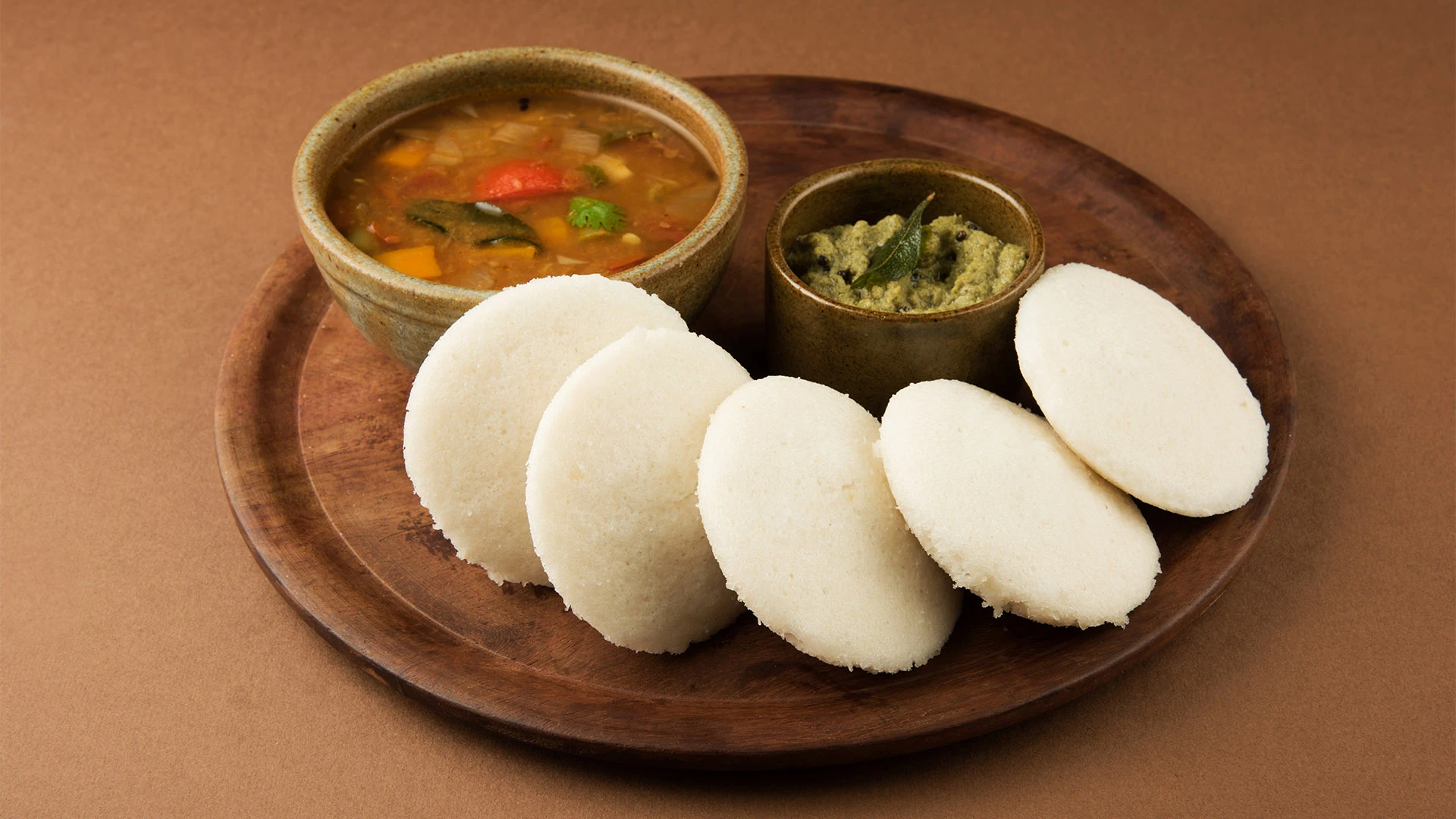
Most people don't eat idli in isolation, so understanding complete meal calories becomes crucial for dietary planning. A typical serving of 2 idli provides 116-122 calories, making it a light breakfast that leaves room for nutritious accompaniments. A more substantial meal of 3 idli with sambar totals approximately 290-320 calories, while 4 idli with chutney reaches 360-400 calories. The complete South Indian breakfast experience of idli with sambar and chutney typically ranges from 450-550 calories, depending on portion sizes and preparation methods. These calorie ranges make idli meals incredibly versatile for different dietary goals. Whether you're aiming for a light 300-calorie breakfast or a more substantial 500-calorie meal, idli combinations can accommodate your needs.
Sambar, the protein-rich lentil curry traditionally served with idli, adds 150-200 calories per bowl. This addition significantly boosts the meal's protein content and provides essential amino acids that complement idli's nutritional profile. Coconut chutney contributes 80-120 calories per serving, primarily from healthy fats that enhance satiety and flavor. Tomato chutney and other variations typically fall within similar calorie ranges, though exact counts depend on ingredients and preparation methods.
Idli's low calorie density makes it exceptionally suitable for weight loss goals. With fewer than 2 calories per gram, idli allows you to feel satisfied without consuming excessive calories. The combination of complex carbohydrates and protein provides sustained energy that helps prevent mid-morning hunger pangs and unhealthy snacking. The high satiety factor of idli comes from its fiber content and protein, both enhanced by the fermentation process. This means you're likely to feel full and satisfied after eating idli, reducing the temptation to overeat later in the day. For optimal weight loss benefits, stick to 2-3 idli per meal and pair them with protein-rich sambar rather than high-calorie chutneys. This combination provides approximately 250-300 calories while delivering complete nutrition.
Compared to other breakfast options, idli consistently ranks among the lowest-calorie choices. Two idli contain fewer calories than a single slice of buttered toast or a small bowl of sugary cereal. Unlike many Western breakfast foods that derive calories primarily from refined sugars and unhealthy fats, idli's calories come from complex carbohydrates and plant-based protein. When compared to chapati, idli offers similar protein content with fewer calories per serving, making it an excellent choice for those prioritizing calorie control without sacrificing nutrition.
Smart pairing strategies can enhance idli's nutritional profile without dramatically increasing calories. Adding sambar boosts protein content while providing essential amino acids that create a complete protein profile. This combination supports muscle maintenance and promotes satiety. Incorporating vegetables into your idli meal through sambar or vegetable chutneys adds vitamins, minerals, and fiber with minimal calorie impact. These additions enhance the meal's nutritional density while supporting digestive health and overall wellness. Timing your idli consumption can optimize its benefits. Eating idli for breakfast provides sustained energy for morning activities, while its moderate glycemic index prevents energy crashes that often accompany high-sugar breakfast options.
Answer: Two medium-sized idli contain approximately 116-122 calories. This makes them an excellent low-calorie breakfast option that provides sustained energy without excessive caloric intake.
Answer: Four idli without accompaniments contain approximately 232-244 calories. When served with traditional sambar and chutney, the complete meal ranges from 450-550 calories.
Answer: Yes, idli is excellent for weight loss due to its low calorie density, high satiety factor, and balanced macronutrient profile. The steaming preparation method avoids added fats while preserving nutrients.
Answer: Both are healthy options, but idli typically contains fewer calories per serving while providing similar protein content. Idli also offers probiotics from fermentation, while chapati provides more fiber from whole wheat.
Answer: Homemade idli typically contains 58-61 calories per piece, while restaurant versions may vary from 60-80 calories depending on size and preparation methods. Restaurant idli are often larger and may contain additional ingredients.
Answer: Rava idli contains slightly more calories, approximately 65-75 calories per piece, due to the semolina base. However, both remain excellent low-calorie breakfast options with similar nutritional benefits.
Idli represents the perfect intersection of tradition, nutrition, and calorie consciousness. With just 58-61 calories per piece, it allows you to enjoy satisfying, culturally meaningful meals while maintaining your health goals. The combination of low calories, balanced macronutrients, and beneficial probiotics makes idli an intelligent choice for anyone seeking sustainable, healthy eating patterns. Understanding idli calories empowers you to build complete, satisfying meals that support your wellness journey. Whether you're managing weight, optimizing nutrition, or simply making informed food choices, idli's impressive nutritional profile and minimal caloric impact make it a breakfast champion that deserves a place in your daily routine.

