










Golgappa Calories Unveiled: Your Complete Guide

Get personalised recommendations with our assessment.
Personalised Health Diagnosis (PHD)
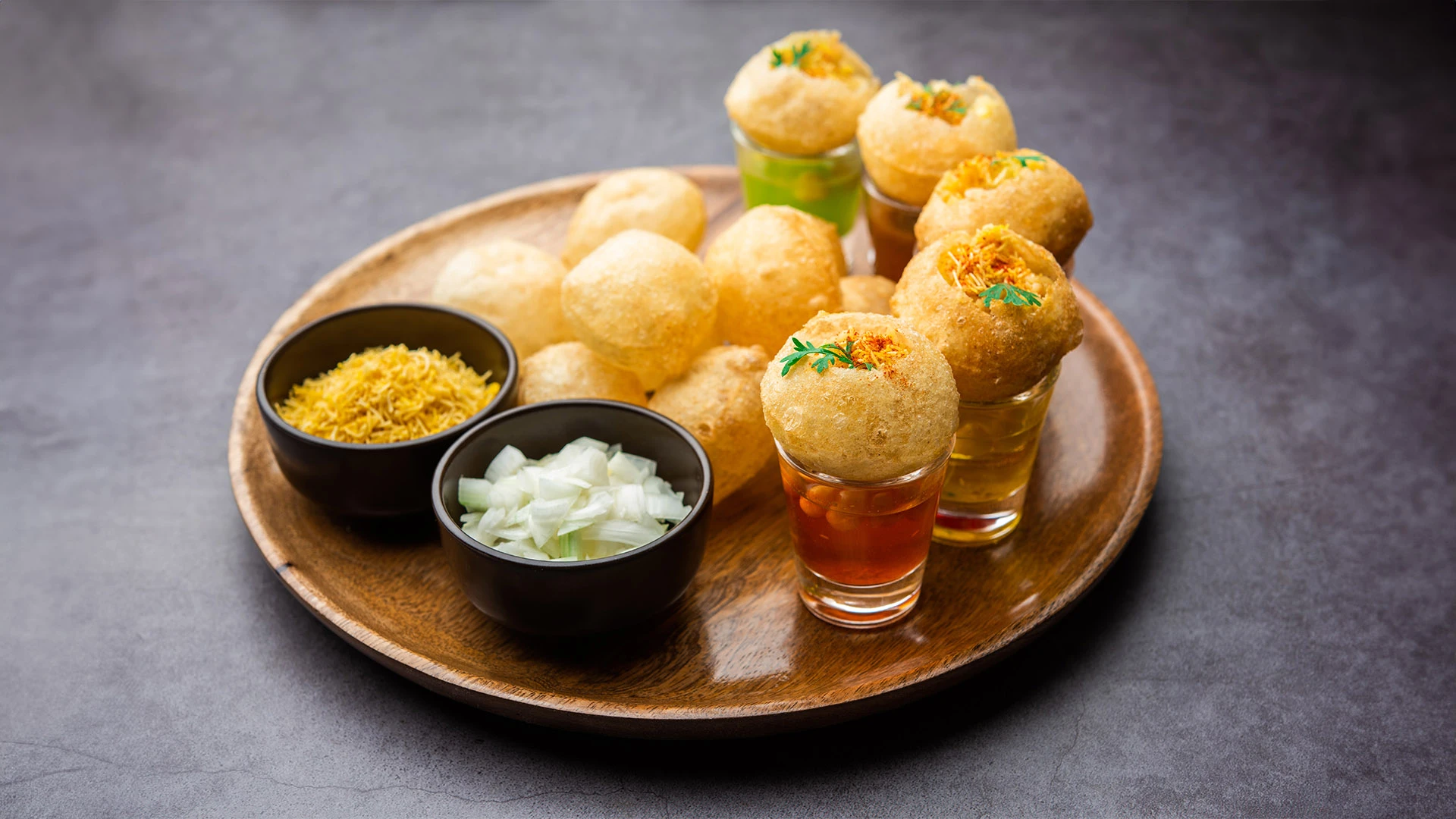
Street food culture in India isn't just about taste—it's about the stories, the community, and yes, the calories that come with every delicious bite. When it comes to golgappa, that crispy sphere of joy that explodes with flavor in your mouth, most people are blissfully unaware of its nutritional impact. But here's the thing: understanding how many calories in golgappa doesn't mean you need to give up this beloved snack. It means making informed choices that align with your health goals. Whether you call it pani puri, puchka, or golgappa, this iconic street food deserves a proper nutritional breakdown. We're diving deep into the numbers, the facts, and the science behind every crunchy bite.
Let's cut through the confusion and get straight to the facts. A single golgappa contains approximately 35-50 calories, depending on size, preparation method, and filling quantity. This might seem modest, but here's where it gets interesting—most people don't stop at one.
A typical golgappa serving ranges from 6-8 pieces, translating to roughly 210-400 calories per session. The variation comes down to several factors: the oil absorption during frying, the amount of potato and chickpea filling, and the type of chutney used. Regional preparations also play a role—Mumbai's pani puri tends to be smaller and less calorie-dense compared to Delhi's larger golgappa.
The calorie distribution in golgappa isn't uniform. The crispy shell contributes about 60% of the calories, primarily from refined flour and oil. The remaining 40% comes from the filling—spiced potatoes, boiled chickpeas, and various chutneys. Empty golgappa calories (just the shell) clock in at around 20-25 calories per piece, making the filling a significant caloric contributor.
Beyond calories, golgappa nutrition facts reveal a complex profile that's more nuanced than you'd expect. Each serving provides a mix of macronutrients, though not always in ideal proportions for optimal health.
Carbohydrates dominate the nutritional landscape, comprising about 55-60% of total calories. These come primarily from refined flour in the shell and starchy potatoes in the filling. Fats account for 25-30% of calories, mostly from the oil used for frying. Protein makes up the remaining 10-15%, contributed by chickpeas and small amounts from the flour.
While golgappa isn't a nutritional powerhouse, it does provide some vitamins and minerals. The tamarind chutney offers vitamin C and antioxidants, while chickpeas contribute folate and fiber. However, the sodium content is notably high due to the spiced water and chutneys, often exceeding 300mg per serving.
When examining calories in street food, golgappa actually holds a moderate position. It's neither the highest nor the lowest calorie option in India's street food pantheon.
Samosas pack about 150-200 calories each, making a typical 2-piece serving significantly higher than golgappa. Bhel puri ranges from 200-300 calories per serving, while dahi puri can reach 250-350 calories due to the yogurt and additional toppings. Calories in Indian snacks vary widely, but golgappa's portion-controlled nature gives it an advantage.
Unlike other street foods where portions can vary dramatically, golgappa comes with built-in portion control. You can't exactly ask for a "large" golgappa—each piece is standardized, making calorie counting more predictable and manageable.
The question isn't whether golgappa fits into a healthy diet—it's about how to enjoy it mindfully. Understanding the caloric impact helps you make strategic choices about when and how much to indulge.
Consuming golgappa as an afternoon snack rather than post-dinner can help with better calorie management. The combination of carbohydrates and moderate protein can provide sustained energy when timed correctly. However, the high sodium content means it's best enjoyed when you can stay adequately hydrated.
Nutrition experts suggest limiting golgappa consumption to 1-2 times per week for those actively managing weight. This allows for enjoyment without significantly impacting overall caloric goals. The key is treating it as an occasional pleasure rather than a regular snack.
If you're wondering how to burn golgappa calories, the good news is that the caloric load is manageable with moderate activity. A typical 6-piece serving requires about 30-40 minutes of brisk walking to burn off completely.
For a 300-calorie golgappa session, you'd need approximately 25 minutes of cycling, 20 minutes of swimming, or 35 minutes of yoga. Dancing for 30 minutes or climbing stairs for 15 minutes can also offset the caloric intake effectively.
Post-golgappa activities that aid digestion include gentle walking or light stretching. The spices in golgappa can actually boost metabolism slightly, though not enough to significantly impact the overall caloric equation.
Creating a healthy golgappa recipe doesn't mean sacrificing taste—it means making strategic ingredient modifications that reduce calories while maintaining the authentic experience.
Baking golgappa shells instead of deep-frying can reduce calories by 30-40%. Using whole wheat flour or adding fiber-rich ingredients like oat flour can improve the nutritional profile. Air-frying is another option that significantly cuts oil content.
Replacing some potato with sprouted moong beans increases protein and fiber while reducing overall calories. Adding finely chopped vegetables like cucumber or tomatoes can increase volume without significantly impacting calories. Using Greek yogurt-based chutneys instead of traditional tamarind preparations can also reduce sugar content.
Answer: Six pieces of pani puri typically contain 210-300 calories, depending on size and preparation method. This includes the shell, filling, and flavored water.
Answer: Eight pieces contain approximately 280-400 calories. The variation depends on the oil content in shells and the amount of potato-chickpea filling used.
Answer: Golgappa can fit into a weight loss plan when consumed occasionally and in moderation. The key is accounting for the calories and balancing them with your daily intake goals.
Answer: Ten pieces contain roughly 350-500 calories, making it a substantial snack that should be considered as part of your meal planning.
Answer: Standard pani puri with potato filling contains 35-50 calories per piece. The potato contributes about 15-20 calories per piece, with the rest coming from the shell and chutneys.
Answer: Per 100g, golgappa contains approximately 250-300 calories, which is moderate compared to other fried snacks that can exceed 400 calories per 100g.
Answer: Diabetics should consume golgappa cautiously due to its refined carbohydrate content and potential blood sugar impact. Portion control and timing are crucial considerations.
Answer: Pani puri calories and golgappa calories are essentially the same, as these are regional names for the same snack. Minor variations may exist based on local preparation styles.
Understanding golgappa calories empowers you to enjoy this beloved street food without guilt or confusion. At 35-50 calories per piece, it's neither a diet disaster nor a health food—it's simply a treat that requires mindful consumption. The key lies in portion awareness, timing, and balancing it within your overall nutritional framework. Whether you're tracking calories for weight management or simply curious about your favorite snack's nutritional impact, knowledge gives you the power to make informed choices. Remember, food is meant to be enjoyed, and with the right information, you can savor every crunchy, flavorful bite of golgappa while staying aligned with your health goals.


Someone sent you
Error
Powered by ReferRush