










Pani Puris and Nutrition

Get personalised recommendations with our assessment.
Personalised Health Diagnosis (PHD)
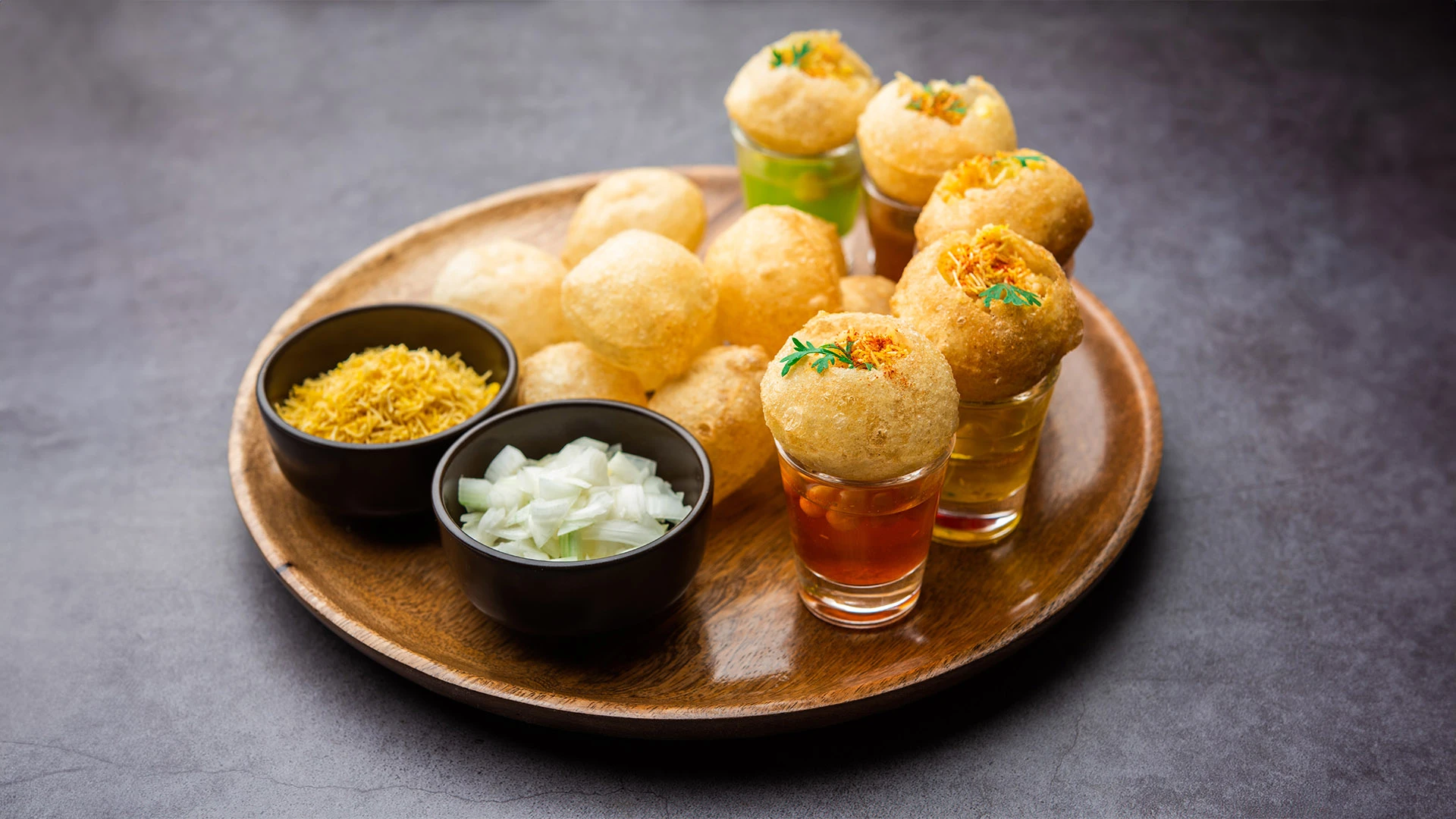
Nothing says street food excitement quite like the perfect pani puri—those crispy, hollow shells bursting with tangy water and savory fillings. But let's be real: if you're tracking your nutrition or just curious about what goes into your favorite snack, understanding pani puri calories isn't just smart—it's essential. This beloved Indian street food packs more than just flavor; it carries a specific caloric load that varies wildly depending on preparation, ingredients, and serving size. We're breaking down everything from basic pani puri nutrition to the nitty-gritty details of what makes this snack tick nutritionally.
The pani puri calorie content isn't as straightforward as you might think. A single pani puri typically contains between 25-51 calories, but that's just the beginning of the story. The variation comes from differences in shell size, filling quantity, and the type of oil used for frying. When you're indulging in a typical serving of 4-6 pieces (because let's face it, who stops at just one?), you're looking at approximately 175-329 calories total. This range might seem wide, but it reflects the reality of street food—no two vendors prepare their pani puri nutritional value exactly the same way.
The calories in pani puri don't come from thin air. About 60-70% of the calories come from carbohydrates, primarily from the semolina or wheat flour shells and potato fillings. Fats contribute roughly 25-35% of the total calories, mainly from the oil used for frying the puris. Proteins make up the smallest portion at just 5-10% of total calories.
Let's dig deeper into what makes up the pani puri nutrition facts. Understanding the complete nutritional profile helps you make informed decisions about when and how to enjoy this snack. The pani puri macronutrients tell an interesting story. Carbohydrates dominate the profile, providing quick energy but also contributing to the caloric density. The fat content varies significantly based on preparation methods—street vendors often use oil that's been reused multiple times, which can affect both calorie content and nutritional quality.
Each pani puri contains approximately 8-12 grams of carbohydrates. These come primarily from the refined flour shell and any potato or chickpea filling. The tangy water (pani) contributes minimal carbohydrates, mostly from added sugars or natural fruit sugars if tamarind is used.
Fat content ranges from 2-4 grams per piece, depending on oil absorption during frying. The protein content is modest at 1-2 grams per puri, mainly coming from the flour and any legume-based fillings.
The pani puri micronutrients include small amounts of iron from the flour, potassium from potatoes, and vitamin C from any mint or cilantro in the preparation. However, the quantities are relatively minimal compared to more nutrient-dense foods.
Not all pani puris are created equal when it comes to pani puri energy value. Several factors can dramatically impact the final calorie count, and understanding these can help you make more informed choices. Serving size variations are probably the biggest wildcard. Some vendors serve mini puris that might contain only 20 calories each, while others offer jumbo versions that can pack up to 80 calories per piece. The filling ratio also matters—more potato filling means more calories.
The type of filling significantly affects pani puri dietary information. Traditional potato and chickpea fillings are relatively moderate in calories, but some modern variations include fried ingredients or cheese, which can double the calorie content.
Homemade pani puris often contain fewer calories than street food versions. When you control the oil quality and quantity, use fresh ingredients, and moderate the filling portions, you can reduce the calorie content by 20-30% compared to typical street preparations.
Here's where things get interesting for anyone watching their weight or following specific dietary guidelines. Can pani puri fit into a weight loss diet? The answer isn't black and white. The key lies in portion control and timing. Six pani puris as an occasional treat won't derail a balanced diet, but making them a daily habit might. The pani puri calorie content per serving is comparable to a small meal, so treating them as such rather than as a light snack makes more sense nutritionally.
Smart consumption means limiting yourself to 4-5 pieces and pairing them with protein-rich foods later in the day to balance out the carbohydrate load. Consider having them as a pre-workout snack when you can utilize the quick energy from carbohydrates.
Baked puris instead of fried ones can cut calories by 30-40%. Using sprouted fillings adds protein and fiber while maintaining the authentic taste profile. Some health-conscious vendors now offer whole wheat puris, which provide more fiber and nutrients.
Let's address the elephant in the room: is pani puri healthy or just delicious? The truth sits somewhere in the middle, depending on preparation and consumption patterns. The pani puri ingredients do offer some benefits. Mint provides digestive support, tamarind offers antioxidants, and the spices contain anti-inflammatory compounds. However, these benefits can be overshadowed by hygiene concerns and the high caloric density from refined carbohydrates and fried components.
The digestive spices used in pani puri—like cumin, coriander, and mint—can support gut health when consumed as part of a balanced diet. The tangy water often contains beneficial probiotics if properly fermented.
Street food hygiene remains a legitimate concern. The water used in pani puri preparation may not always meet safety standards, and oil reuse can create harmful compounds. These factors don't directly affect calories but impact overall health value.
When you stack pani puri against other popular Indian snacks, the pani puri nutritional value holds up reasonably well. Compared to samosas (250-300 calories for two pieces) or pakoras (200-250 calories per serving), pani puri offers more flavor variety for fewer calories. Dahi puri contains similar base calories but adds yogurt, which increases protein content while adding 20-30 calories per serving. Bhel puri typically contains fewer calories per serving due to the puffed rice base, making it a lighter alternative.
Answer: A single pani puri contains approximately 25-51 calories, including the shell, filling, and flavored water. The variation depends on size, ingredients, and preparation method.
Answer: Pani puri can be included in moderation as part of a balanced diet. Limit portions to 4-5 pieces and consider them as part of your daily calorie allowance rather than an extra snack.
Answer: Pani puri falls into the "treat" category rather than health food. While ingredients like mint and spices offer some benefits, the high calorie density and preparation methods make it best enjoyed occasionally.
Answer: Approximately 300-350 calories are in 100g of pani puri, though this varies based on ingredients and oil content used in preparation.
Answer: Ten pani puris contain roughly 250-510 calories, depending on size and preparation. This is equivalent to a small meal in terms of caloric impact.
Answer: Yes, homemade versions typically contain 20-30% fewer calories due to controlled oil usage, fresher ingredients, and moderate filling portions.
Understanding pani puri calories doesn't mean you need to eliminate this beloved snack from your life. It means making informed choices about when, how much, and how often you indulge. The key lies in treating pani puri as the flavorful treat it is rather than a guilt-free snack. Smart nutrition isn't about perfection—it's about balance. When you know that 6 pani puris equal roughly 200-300 calories, you can plan your day accordingly. Maybe skip the evening chai biscuits, or add an extra 20 minutes to your workout routine. The goal isn't restriction; it's conscious enjoyment paired with overall nutritional awareness. For those serious about optimizing their nutrition while still enjoying life's flavors, consider how modern nutrition solutions like plant-powered proteins can help balance out treat days. When your foundation is solid with complete amino acid profiles and clean ingredients, the occasional pani puri indulgence becomes part of a sustainable, enjoyable approach to health.


Someone sent you
Error
Powered by ReferRush