










Everything You Need to Know About Muesli

Get personalised recommendations with our assessment.
Personalised Health Diagnosis (PHD)
Muesli isn't just another breakfast trend—it's a Swiss-born superfood that's been quietly revolutionizing morning nutrition for over a century. While most people grab sugary cereals or skip breakfast entirely, muesli offers something different: a plant-powered foundation that actually fuels your body instead of crashing it an hour later. This isn't about following the crowd; it's about understanding how to prepare muesli properly so you can unlock sustained energy, better digestion, and genuine nutritional value. Whether you're looking for an easy muesli recipe or want to master overnight preparation, we're breaking down everything you need to transform your mornings.
Muesli emerged in the early 1900s when Swiss physician Maximilian Bircher-Benner created it as a health food for his patients. Unlike the sugar-laden cereals dominating grocery shelves, muesli combines raw oats, nuts, seeds, and dried fruits without artificial additives or excessive processing. This isn't your typical breakfast cereal—it's a carefully balanced blend designed to provide sustained nutrition. The key difference between muesli and granola lies in preparation. Granola gets baked with oils and sweeteners, often doubling the calorie content. Muesli stays raw, preserving more nutrients and offering better digestive benefits. Compared to instant oatmeal, muesli provides more texture variety and doesn't spike blood sugar levels as dramatically.
Muesli delivers complex carbohydrates that release energy slowly throughout the morning. The fibre content supports digestive health while protein from nuts and seeds helps maintain satiety. Unlike processed cereals that leave you hungry within hours, properly prepared muesli keeps you satisfied until lunch.
Most breakfast foods either lack nutrients or contain hidden sugars that create energy crashes. Muesli provides clean fuel without the rollercoaster effect. The combination of whole grains, healthy fats, and natural sugars creates sustained energy release—exactly what your body needs for peak performance.
Creating exceptional muesli starts with understanding your foundation ingredients. The beauty lies in customization—you're not stuck with whatever combination some manufacturer decided was "healthy enough." Building your own blend means controlling quality, freshness, and nutritional density. Your base should consist of rolled oats as the primary grain, making up about 60% of your mix. Add wheat bran or barley flakes for texture variety and additional fiber. These grains provide the complex carbohydrates that fuel sustained energy without blood sugar spikes.
Nuts and seeds aren't just texture enhancers—they're nutritional powerhouses. Almonds provide vitamin E and healthy monounsaturated fats. Walnuts deliver omega-3 fatty acids for brain health. Pumpkin seeds offer magnesium and zinc. Aim for 20-25% of your total mix to come from these protein sources.
Skip the sugar-coated dried fruits and choose naturally dried options. Raisins, dried apricots, and dates provide natural sweetness plus minerals like potassium and iron. Keep dried fruit to about 10-15% of your total mix to avoid excessive sugar content.
Mastering muesli preparation isn't about following rigid rules—it's about understanding ratios and timing. Each method creates different textures and flavors, so you can choose based on your preferences and schedule. The key is consistency in your liquid-to-dry ingredient ratios. The foundation ratio remains constant: 1 cup muesli to ¾ cup liquid. This creates the perfect texture without turning your breakfast into soup or leaving it too dry. Adjust slightly based on your preferred consistency, but this ratio works for all three preparation methods.
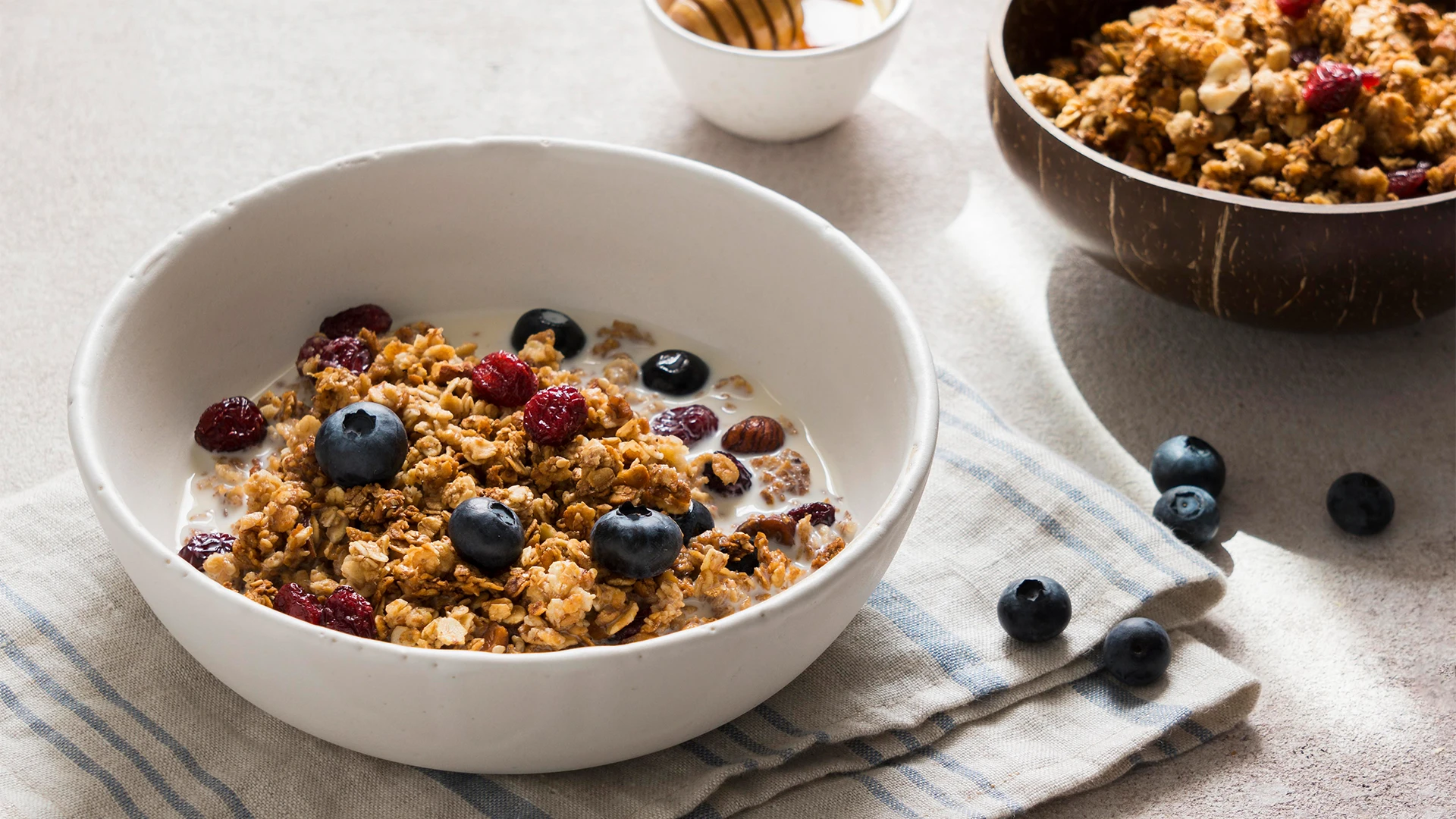
This easy muesli recipe follows the original Swiss approach. Combine 1 cup muesli with ¾ cup cold milk or yogurt. Stir thoroughly and let sit for 5-10 minutes. The oats soften slightly while maintaining texture. This method preserves maximum nutrients since nothing gets heated. Muesli with yogurt creates a protein-rich breakfast that supports gut health. Greek yogurt adds extra protein density, while regular yogurt provides probiotics. Both options work perfectly with this cold preparation method.
Overnight muesli transforms texture completely through extended soaking. Combine your muesli with liquid the night before, refrigerate, and wake up to perfectly softened grains. This method works especially well with plant-based milks like almond or oat milk. The extended soaking time breaks down phytic acid in grains, improving mineral absorption. Your digestive system processes overnight muesli more easily, making it perfect for sensitive stomachs or early morning workouts.
Warm preparation creates a porridge-like consistency perfect for cold mornings. Heat your liquid of choice, add muesli, and simmer for 3-5 minutes. This method works particularly well with spices like cinnamon or cardamom for extra flavor depth.
Creating your own homemade muesli means controlling every ingredient for maximum freshness and nutritional value. Store-bought versions often contain preservatives, excess sugar, or low-quality ingredients. Making your own takes 30 minutes and lasts for weeks. Start with this proven muesli recipe formula: 4 cups rolled oats, 1 cup mixed nuts (chopped), ½ cup seeds (pumpkin, sunflower, or flax), ½ cup dried fruit, and optional spices like cinnamon or vanilla powder. Mix thoroughly and store in an airtight container.
Proper storage extends your homemade muesli's life to 6-8 weeks. Use airtight glass containers and store in a cool, dry place. Avoid plastic containers that can absorb odors or allow moisture penetration. Label with preparation date to track freshness.
Tropical muesli combines coconut flakes, dried mango, and macadamia nuts for an exotic twist. Protein-packed athlete's blend increases nuts and seeds while adding protein powder for post-workout recovery. Low-sugar versions minimize dried fruit and emphasize nuts and seeds for blood sugar control. Gluten-free alternatives substitute certified gluten-free oats and eliminate wheat-based ingredients. These variations prove that muesli adapts to virtually any dietary requirement without sacrificing taste or nutrition.
The right muesli toppings transform a simple breakfast into a nutritional powerhouse. Fresh fruit provides vitamins and natural sweetness while adding visual appeal. Seasonal selections keep your breakfast interesting throughout the year. Spring brings fresh berries loaded with antioxidants. Summer offers stone fruits like peaches and plums. Fall introduces apples and pears, while winter citrus provides vitamin C when you need it most. Fresh fruit should make up about 25% of your total serving.
Chia seeds provide omega-3 fatty acids and create a pudding-like texture when soaked. Hemp hearts offer complete protein and a nutty flavor. Goji berries add antioxidants and natural sweetness. These additions boost nutritional density without overwhelming the base flavors.
Skip refined sugar and choose natural sweeteners that provide additional nutrients. Raw honey offers enzymes and antimicrobial properties. Pure maple syrup provides minerals like manganese and zinc. Medjool dates (chopped) add fibre along with sweetness.
The muesli benefits extend far beyond basic nutrition. This isn't just another breakfast option—it's a strategic choice for long-term health optimization. Understanding these benefits helps you appreciate why muesli deserves a permanent place in your morning routine. Nutritionally, muesli provides complex carbohydrates for sustained energy, healthy fats for brain function, and fibre for digestive health. A typical serving delivers 8-12 grams of protein, 6-8 grams of fibre, and essential minerals like magnesium, iron, and zinc.
The high fibre content in muesli supports healthy digestion and feeds beneficial gut bacteria. Unlike processed cereals that can disrupt digestive balance, muesli's natural ingredients promote gut health. The combination of soluble and insoluble fibre helps regulate bowel movements and supports overall digestive function.
Regular muesli consumption supports cardiovascular health through multiple mechanisms. Beta-glucan fibre from oats helps lower cholesterol levels. Nuts provide heart-healthy monounsaturated fats, while seeds offer omega-3 fatty acids that reduce inflammation.
Answer: The key to perfect muesli texture lies in the liquid-to-dry ratio and soaking time. Use ¾ cup liquid per 1 cup muesli for optimal consistency. For immediate consumption, let it sit 5-10 minutes. For softer texture, prepare it the night before. Cold milk creates a firmer texture, while yogurt makes it creamier.
Answer: No, muesli doesn't require cooking. The traditional Swiss method uses cold preparation with milk or yogurt. However, you can warm it if preferred. Cold preparation preserves more nutrients and maintains the intended texture. Cooking changes the character but creates a porridge-like consistency some people prefer.
Answer: Milk provides better taste, texture, and nutrition compared to water. Dairy milk adds protein and calcium, while plant-based alternatives like almond or oat milk offer different flavor profiles. Water works in a pinch but creates a less satisfying breakfast. Yogurt provides the richest texture and additional probiotics.
Answer: Combine 1 cup muesli with ¾ cup liquid, stir well, and let sit 5-10 minutes for immediate consumption. Add fresh fruit and natural sweeteners as desired. Eat within 30 minutes of preparation for best texture. For overnight preparation, refrigerate the mixture and consume within 24 hours.
Answer: Properly stored homemade muesli lasts 6-8 weeks in an airtight container at room temperature. Keep it in a cool, dry place away from direct sunlight. Once you add liquid, consume within 24 hours if refrigerated. Signs of spoilage include rancid smell from nuts or visible mold.
Answer: Yes, you can prepare large batches of dry muesli mix and store them for weeks. For ready-to-eat portions, prepare individual servings the night before and refrigerate. This works especially well for busy mornings. Avoid adding fresh fruit until serving to prevent spoilage.
Muesli represents more than just another breakfast option—it's a return to clean, plant-powered nutrition that actually works. Unlike processed alternatives that promise energy but deliver crashes, properly prepared muesli provides sustained fuel for your day. The beauty lies in its simplicity and customization potential. Mastering how to prepare muesli opens up endless possibilities for nutritious, satisfying breakfasts. Whether you prefer the classic cold method, convenient overnight preparation, or warming comfort of hot muesli, the foundation remains the same: quality ingredients combined in proper ratios. The investment in learning these techniques pays dividends in improved energy, better digestion, and genuine nutritional value. This isn't about following trends—it's about choosing optimized nutrition that supports your long-term health goals. Start with basic recipes, experiment with variations, and discover why muesli has remained a breakfast staple for over a century.


Someone sent you
Error
Powered by ReferRush