


Dhokla Calories: Your Complete Nutrition Guide

Get personalised recommendations with our assessment.
Personalised Health Diagnosis (PHD)
Dhokla has earned its place as one of India's most beloved snacks, but if you're tracking calories or optimizing your nutrition, you need the real facts. This fluffy, fermented delight packs more nutritional punch than most people realize. Whether you're counting macros for weight loss or simply want to make informed food choices, understanding dhokla calories and nutritional value helps you enjoy this traditional treat without derailing your health goals. Let's break down everything you need to know about dhokla nutrition, from calorie counts to health benefits.
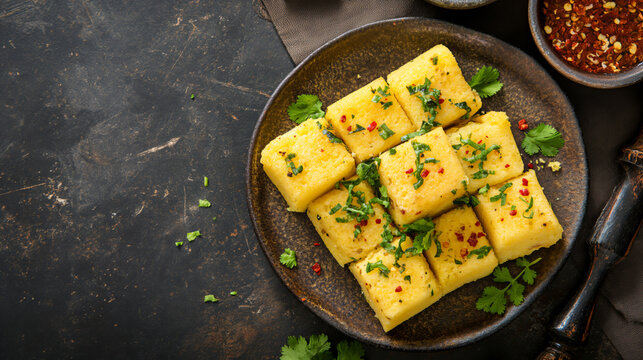
The calorie content in dhokla varies based on preparation method, ingredients, and serving size. Understanding these variations helps you make better portion choices and fit dhokla into your daily nutrition plan. A single piece of dhokla (weighing 50-60g) contains approximately 70-80 calories. This makes it a relatively low-calorie snack option compared to fried alternatives. The exact count depends on the oil used in tempering, additional ingredients, and the thickness of each piece.
A standard 100g serving of dhokla contains 150-180 calories. This portion size typically equals 3-4 medium pieces, making it a satisfying snack that won't overwhelm your daily calorie budget. Compared to samosas (262 calories per 100g) or pakoras (300+ calories per 100g), dhokla offers significantly better calorie efficiency.
Here's how dhokla calories stack up across different quantities: • 2 pieces: 140-160 calories • 4 pieces: 280-320 calories • 250g serving: 375-450 calories • 500g serving: 750-900 calories These numbers help you plan portions based on your meal timing and calorie goals.
Dhokla's nutritional profile makes it more than just a low-calorie snack. The fermentation process and gram flour base create a balanced macro distribution that supports various health goals. Per 100g serving, dhokla provides a well-rounded macronutrient profile. The fermentation process enhances nutrient bioavailability, making these macros more easily absorbed by your body.
• Carbohydrates: 20-25g (provides sustained energy) • Protein: 7-10g (supports muscle maintenance) • Fat: 2-4g (mostly from tempering oil) • Fiber: 3-4g (aids digestion and satiety) This macro distribution creates a balanced snack that provides energy without causing blood sugar spikes.
Dhokla delivers several important micronutrients. The gram flour base provides B-complex vitamins, particularly folate and thiamine. Fermentation increases these vitamin levels while adding beneficial compounds that support gut health. The iron content (2-3mg per 100g) helps prevent anemia, while calcium (40-50mg per 100g) supports bone health. These minerals come primarily from the gram flour and any added ingredients like curry leaves in the tempering.
Not all dhokla varieties pack the same caloric punch. Understanding these differences helps you choose the best option for your nutritional needs and preferences. Each dhokla variety uses different ingredients and preparation methods, directly impacting the final calorie count and nutritional profile.
Khaman dhokla contains 135-180 calories per 100g serving. This popular yellow variety uses gram flour as the primary ingredient, with turmeric adding color and anti-inflammatory properties. The slightly higher calorie count comes from the generous tempering with oil and mustard seeds.
Pure besan dhokla typically contains 150-170 calories per 100g. This version focuses on gram flour's natural protein content without additional grains. The calorie density remains moderate while maximizing protein intake, making it ideal for those prioritizing muscle maintenance.
Khatta dhokla offers 126-140 calories per 100g, making it the lowest-calorie option. This variety combines rice and urad dal, creating a lighter texture with enhanced digestibility. The fermentation process is longer, which may increase beneficial probiotic content.
Commercial instant dhokla mixes vary widely in calories, ranging from 160-220 calories per 100g prepared. These products often contain preservatives and additional ingredients that increase calorie density. Homemade versions typically contain fewer calories and more nutritional value.
Dhokla's health benefits extend far beyond its calorie count. The combination of fermentation, steaming, and gram flour creates a snack that actively supports various aspects of health. The fermentation process transforms simple ingredients into a nutritionally enhanced food. This traditional preparation method increases nutrient bioavailability while creating beneficial compounds that support digestive health.
Dhokla supports weight management through multiple mechanisms. Its high protein content (7-10g per 100g) promotes satiety, helping you feel full longer. The fiber content slows digestion, preventing rapid blood sugar spikes that trigger hunger. The steaming preparation method eliminates excess oil, keeping calories low while preserving nutrients. This cooking technique also maintains the food's natural moisture, enhancing satiety without adding empty calories.
Dhokla has a low to moderate glycemic index, making it suitable for people managing blood sugar levels. The protein and fiber content help slow carbohydrate absorption, preventing rapid glucose spikes. The fermentation process may also create compounds that support insulin sensitivity.
Fermented foods like dhokla support gut health through beneficial bacteria and enhanced digestibility. The fermentation process breaks down complex proteins and carbohydrates, making nutrients more accessible. This pre-digestion effect reduces digestive stress and may improve nutrient absorption.
Dhokla can absolutely fit into a weight loss plan when consumed mindfully. Its nutritional profile and preparation method make it superior to many processed snack alternatives. The key lies in understanding portion sizes and timing. Dhokla's balanced macros provide sustained energy without the crash associated with high-sugar snacks, making it an excellent choice for maintaining energy levels during calorie restriction.
Dhokla offers several advantages for weight loss. Its protein content helps preserve muscle mass during calorie restriction, while the fiber promotes feelings of fullness. The low calorie density means you can enjoy satisfying portions without exceeding your daily calorie goals. Compared to chips (540 calories per 100g) or cookies (500+ calories per 100g), dhokla provides significantly more nutrition per calorie. This nutrient density helps prevent the nutritional deficiencies that can sabotage weight loss efforts.
Timing dhokla consumption can maximize its weight loss benefits. As a pre-workout snack, it provides sustained energy without causing digestive discomfort. The carbohydrates fuel your workout while protein supports muscle recovery. Evening consumption works well as a healthy alternative to processed snacks. The protein content helps maintain stable blood sugar overnight, potentially improving sleep quality and morning energy levels.
Optimizing dhokla's nutritional profile doesn't require sacrificing taste. Simple modifications can boost protein content, reduce calories, or enhance specific nutrients based on your health goals. These modifications work with traditional preparation methods while enhancing the final product's nutritional value. The key is understanding how each ingredient contributes to the overall nutrition profile.
Reduce dhokla calories by minimizing oil in tempering and using cooking spray instead of oil for greasing. Replace sugar with natural alternatives like stevia or monk fruit sweetener. These changes can reduce calories by 20-30% without significantly impacting taste or texture. Adding finely chopped vegetables like carrots, spinach, or bell peppers increases fiber and micronutrient content while adding minimal calories. These additions also enhance the visual appeal and provide additional texture variety.
Boost protein content by adding a scoop of unflavored plant protein powder to the batter. At Ace Blend, our Unflavoured Protein seamlessly integrates into traditional recipes, increasing protein content without altering taste. This modification can increase protein content to 15-20g per 100g serving. Alternatively, incorporate quinoa flour or add Greek yogurt to the fermentation process. These additions provide complete amino acid profiles while maintaining the traditional fermentation benefits.
Four pieces of dhokla contain approximately 280-320 calories, depending on the size and preparation method. This portion size works well as a substantial snack or light meal when paired with chutney.
Yes, dhokla's low glycemic index and high fiber content make it suitable for people managing diabetes. The protein and fiber help slow carbohydrate absorption, preventing rapid blood sugar spikes.
A 200g serving of dhokla contains approximately 300-360 calories. This larger portion size works well as a main meal when combined with vegetables or salad.
Dhokla can be part of a daily diet due to its balanced nutrition and digestive benefits. The fermented nature supports gut health, while the moderate calorie content fits most daily nutrition plans.
Dhokla typically offers better nutritional density and fewer calories compared to most commercial breads. The fermentation process and higher protein content provide additional satiety benefits.
Homemade dhokla typically contains 150-180 calories per 100g, while instant mixes range from 160-220 calories due to preservatives and additional ingredients. Homemade versions offer better control over ingredients and nutritional quality.
Dhokla stands out as a nutritionally balanced snack that supports various health goals without compromising on taste. With 150-180 calories per 100g serving and a solid protein content of 7-10g, it offers excellent nutritional value compared to processed alternatives. The fermentation process enhances digestibility and may provide probiotic benefits, while the steaming preparation method keeps calories low. Whether you're managing weight, blood sugar, or simply seeking healthier snack options, dhokla delivers consistent nutrition with satisfying taste. Understanding portion sizes and preparation methods allows you to optimize dhokla's benefits for your specific health goals. From weight loss to muscle maintenance, this traditional snack proves that healthy eating doesn't require sacrificing cultural food preferences.


Someone sent you
Error
Powered by ReferRush