











Complete Guide: How to Eat Flax Seeds Correctly

Get personalised recommendations with our assessment.
Personalised Health Diagnosis (PHD)
Flax seeds have quietly become one of the most powerful nutritional allies in modern wellness, yet most people consume them completely wrong. These tiny brown powerhouses pack an incredible nutritional punch, but only when you know how to unlock their full potential. The difference between eating flax seeds correctly and incorrectly can mean the difference between reaping massive health benefits or passing them straight through your system unchanged. Let's break down everything you need to know about maximizing these plant-powered gems for optimal health.
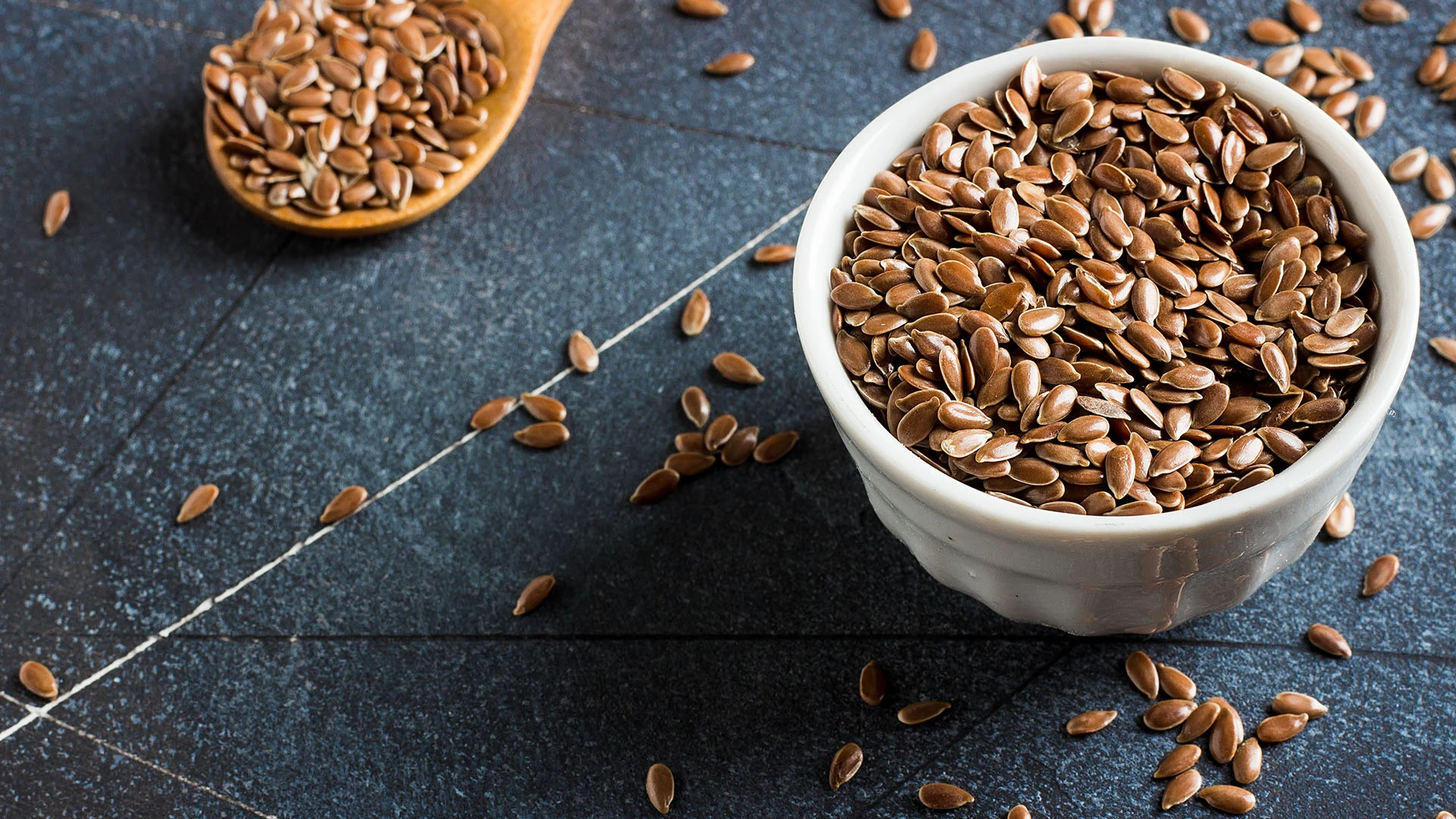
Flax seeds, scientifically known as Linum usitatissimum, are nutritional dynamos that have been cultivating human health for over 6,000 years. These small seeds deliver an impressive array of nutrients that most people desperately need but rarely get enough of through conventional diets.
The flaxseed nutrition profile reads like a superfood wishlist. Each tablespoon contains roughly 2 grams of plant-based omega-3 fatty acids, 3 grams of fibre, and 2 grams of protein. But here's where it gets interesting - flax seeds are the richest plant source of lignans, compounds that act as powerful antioxidants and may help balance hormones naturally.
The flax seed benefits extend far beyond basic nutrition. Research shows these seeds can support heart health by helping maintain healthy cholesterol levels, promote digestive wellness through their impressive fiber content, and even support hormonal balance in women. The omega-3 fatty acids, specifically alpha-linolenic acid (ALA), provide plant-powered inflammation support that your body craves. What makes flax seeds truly special is their versatility.
Unlike many superfoods that taste like cardboard or require elaborate preparation, flax seeds have a mild, nutty flavor that enhances rather than overwhelms your favorite foods.
Here's where most people mess up their flax seed game entirely. The form you choose dramatically impacts how much nutrition your body actually absorbs. This isn't just a minor detail - it's the difference between getting real benefits and expensive waste. Whole flax seeds look impressive sprinkled on your yogurt, but they're essentially nutritional decoys. Your digestive system can't break through their tough outer shell, so most whole seeds pass through your system completely intact. You're literally flushing money and nutrients down the drain.
Ground flaxseed or flaxseed meal is where the magic happens. Grinding breaks down those tough outer shells, making all those omega-3s, lignans, and fibre available for absorption. Your body can actually access and use the nutrients you're paying for.
Freshly ground flaxseed delivers maximum potency, but pre-ground options offer convenience without major nutrient loss if stored properly. The key is choosing high-quality sources and proper storage to maintain freshness.
Preparing flax seeds correctly transforms them from simple seeds into nutritional powerhouses. The method you choose can enhance digestibility, improve nutrient absorption, and even create different textures for various culinary applications. Grinding fresh flax seeds at home ensures maximum potency. Use a coffee grinder, high-speed blender, or food processor to achieve a fine, flour-like consistency. Grind only what you'll use within a week to maintain freshness and prevent rancidity.
Soaking flax seeds overnight creates a gel-like consistency that some people find easier to digest. This method also helps release nutrients and creates a natural thickening agent perfect for smoothies or puddings.
Mix one tablespoon of ground flaxseed with three tablespoons of water and let sit for 15 minutes. This creates a gel that works as an egg substitute in baking or a natural thickener for smoothies.
Knowing how to eat flax seeds daily without it feeling like a chore is the secret to long-term success. The goal is seamless integration into foods you already love, not forcing yourself to choke down something unpalatable. Start with one tablespoon daily and gradually increase to two tablespoons as your digestive system adapts. This prevents the digestive upset that turns people off from flax seeds permanently.
Morning consumption maximizes the daily vitality flaxseed benefits. Blend ground flaxseed into smoothies, stir into oatmeal, or mix into yogurt. The mild nutty flavor actually enhances these breakfast staples rather than overpowering them.
Sprinkle ground flaxseed over salads, mix into soup, or incorporate into homemade energy balls. The key is thinking of flaxseed as a flavor enhancer rather than a supplement you have to force down.
Different health goals require slightly different approaches to flax seed consumption. Understanding these nuances helps you optimize your intake for specific benefits rather than taking a generic approach. Flaxseed for health applications vary significantly based on your primary objectives. For heart health support, focus on consistent daily intake to help maintain healthy cholesterol levels. For digestive wellness, the fibre content works best when consumed with adequate water throughout the day.
The benefits of flaxseed for women's health are particularly impressive. The lignans in flax seeds may help support hormonal balance naturally. Many women find that consistent flax seed consumption helps with menopause-related concerns and overall hormonal wellness.
The fiber and healthy fats in flax seeds promote satiety, potentially supporting healthy weight management when combined with a balanced diet and regular exercise.
Transforming how to use flaxseed from boring to delicious requires creativity and understanding of flavor profiles. These flaxseed recipes prove that healthy eating doesn't mean sacrificing taste. Breakfast options include flax puddings made with plant milk, ground flaxseed, and natural sweeteners. Overnight oats become more nutritious and filling with a tablespoon of ground flaxseed mixed in before refrigerating.
Energy balls combining ground flaxseed, dates, nuts, and a touch of vanilla create satisfying snacks that deliver sustained energy. Homemade crackers using flaxseed meal as a base provide crunchy satisfaction with nutritional benefits.
Use ground flaxseed as a coating for baked proteins or mix into homemade salad dressings for added nutrition and subtle nutty flavor. The flax seeds uses extend far beyond simple sprinkling.
While flax seeds are generally safe for most people, understanding proper dosage and potential interactions ensures you get benefits without unwanted side effects. Smart consumption means respecting these powerful seeds and using them appropriately. Stick to 1-2 tablespoons daily maximum. More isn't necessarily better, and excessive intake can cause digestive upset or interfere with certain medications. Always increase water intake when adding flax seeds to your diet, as the fibre content requires adequate hydration for optimal function. Certain medications, particularly blood thinners and diabetes medications, may interact with flax seeds. Consult healthcare providers if you're on prescription medications or have specific health conditions.
Answer: Yes, soaked flax seeds are perfectly safe and often easier to digest. Soaking overnight creates a gel-like consistency that some people prefer. This method may also enhance nutrient absorption.
Answer: Raw ground flaxseed retains maximum nutritional value. Light cooking or baking doesn't significantly reduce benefits, but high heat may decrease some omega-3 content. Raw consumption is generally preferred for optimal nutrition.
Answer: Mix 1 tablespoon of ground flaxseed with 8 ounces of water, stir well, and drink immediately. Some people prefer letting it sit for 5-10 minutes to thicken slightly. Always follow with additional water.
Answer: The fibre and healthy fats in flax seeds promote satiety, potentially reducing overall calorie intake. Consume 1 tablespoon before meals with plenty of water to maximize the satiety effect.
Answer: Generally yes, but start with small amounts and monitor for any digestive changes in both mother and baby. The omega-3 content may support milk quality, but individual responses vary.
Mastering flax seed consumption isn't complicated, but it requires understanding the fundamentals. Ground flaxseed delivers superior nutrition compared to whole seeds, proper hydration is essential, and consistent daily intake produces the best results. Start slowly, integrate seamlessly into foods you already enjoy, and respect the recommended serving sizes. These plant-powered nutrition champions can significantly enhance your wellness journey when consumed correctly, proving that sometimes the smallest changes deliver the biggest impact on your health.


Someone sent you
Error
Powered by ReferRush