










Cashew Protein: Your Complete FAQ Guide

Get personalised recommendations with our assessment.
Personalised Health Diagnosis (PHD)
Cashew protein has quietly become one of the most underrated players in the plant-based nutrition game. While everyone's talking about pea and hemp proteins, cashews offer something unique: a creamy, naturally sweet protein source that doesn't taste like cardboard. But here's what most people don't know—cashews aren't technically nuts at all. They're seeds that pack a serious nutritional punch, delivering quality protein alongside essential minerals that your body actually craves. Whether you're team vegan, dodging dairy, or just looking to diversify your protein portfolio, cashew protein deserves a spot on your radar. Let's cut through the noise and get to the facts about this plant-powered protein source.
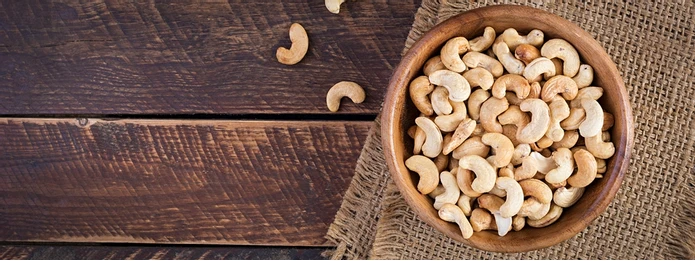
Cashew protein refers to the complete protein found in cashew nuts—or more accurately, cashew seeds. These kidney-shaped powerhouses contain all nine essential amino acids, making them a legitimate contender in the plant based protein arena. Unlike many other nut proteins that can taste bitter or chalky, cashew nut protein brings a naturally buttery flavor that actually enhances whatever you're eating. Here's where it gets interesting: cashews rank surprisingly high among nut protein sources. While almonds get all the attention, cashews deliver comparable protein with superior digestibility. The protein in cashews is also more bioavailable than many plant proteins, meaning your body can actually use what you're consuming.
Technically, cashews are seeds that grow attached to cashew apples. This botanical fact matters because seeds often contain more concentrated nutrition than true nuts. The protein structure in cashews is also more similar to legume proteins, which explains their superior amino acid profile.
Cashews deliver approximately 18 grams of protein per 100 grams, along with healthy fats, fiber, and essential minerals like copper, magnesium, and zinc. This combination makes cashew protein particularly valuable for muscle recovery and overall metabolic health.
Let's get specific about what you're actually getting when you choose cashews as your protein source. The numbers might surprise you—cashews pack more protein per serving than most people realize. Raw cashews contain about 18 grams of protein per 100-gram serving. This puts them in the upper tier of nut proteins, competing directly with almonds and pistachios. But the real advantage lies in how your body processes this protein.
Ten medium cashews (roughly 15 grams) provide approximately 2.7 grams of protein. While this might seem modest, it's actually quite efficient for such a small serving. These same 10 cashews also deliver healthy fats and minerals that support protein absorption.
A 50-gram serving of cashews—about a handful—delivers 9 grams of high-quality protein. This serving size hits the sweet spot for snacking while providing meaningful protein contribution to your daily intake. It's also the perfect amount for adding to smoothies or meals without overwhelming other flavors.
Even 5 cashews provide about 1.3 grams of protein, making them an efficient choice for small, frequent protein doses throughout the day. This approach can be particularly effective for maintaining steady amino acid levels in your bloodstream.
Cashew protein powder takes the nutritional benefits of whole cashews and concentrates them into a more potent form. Most quality cashew protein powders contain 50-60% protein by weight, significantly higher than whole cashews. The production process typically involves cold-pressing cashews to remove oils, then grinding the remaining protein-rich meal into powder. This method preserves the natural amino acid profile while creating a more concentrated protein source.
Cashew protein powder offers several advantages for serious protein seekers. First, it's more calorie-efficient—you get more protein per calorie compared to whole cashews. Second, it's incredibly versatile, blending seamlessly into smoothies, baked goods, or even savory dishes without altering taste significantly.
When shopping for cashew protein powder, look for products with minimal processing and no artificial additives. The best options maintain the natural creamy texture and subtle sweetness of whole cashews. At Ace Blend, our protein formulations focus on maintaining these natural characteristics while optimizing bioavailability.
Cashew nutrition extends far beyond just protein content. These nutritional powerhouses deliver a comprehensive package of macronutrients and micronutrients that support overall health and performance. A 100-gram serving of raw cashews provides approximately 553 calories, 18 grams of protein, 44 grams of fat (mostly monounsaturated), and 30 grams of carbohydrates. But the real magic happens in the micronutrient profile.
Cashews are exceptionally rich in copper, providing over 600% of the daily value per 100 grams. They're also excellent sources of magnesium, zinc, and iron—minerals that play crucial roles in protein synthesis and muscle function. This mineral density makes cashew benefits extend beyond just protein provision.
Cashews contain all nine essential amino acids, though they're slightly lower in lysine compared to animal proteins. This makes them an incomplete protein by strict definition, but combining cashews with other plant proteins easily fills this gap. The amino acid profile is particularly rich in arginine and tryptophan, supporting cardiovascular health and mood regulation.
Cashews shine brightest when it comes to accommodating dietary restrictions and preferences. Their versatility makes them an ideal protein source for various eating patterns. For those following plant-based lifestyles, cashews offer a complete amino acid profile that's rare among single plant sources. The creamy texture and mild flavor make them particularly appealing to people transitioning from animal proteins.
As a vegan protein source, cashews provide more than just amino acids. They deliver healthy fats that support hormone production and nutrient absorption—factors often overlooked in vegan nutrition planning. The natural creaminess also makes them excellent for creating dairy-like textures in plant-based cooking.
Cashews excel as a dairy free protein alternative, particularly for people with lactose intolerance or milk allergies. Unlike many dairy alternatives that rely on gums and stabilizers, cashews create natural creaminess through their fat and protein content. This makes them ideal for everything from protein smoothies to cheese alternatives.
Transforming cashews into effective high protein snacks requires some strategy. While they're delicious straight from the bag, optimizing their protein contribution takes a bit more planning. The key is portion control and strategic combining. A 30-gram serving (about 15-20 cashews) provides roughly 5.4 grams of protein—not massive, but significant when part of a larger protein strategy.
For maximum protein impact, pair cashews with other protein sources. Try cashew butter on whole grain toast, or blend cashews into protein smoothies. The healthy fats in cashews actually help with protein absorption, making these combinations more effective than the sum of their parts.
Roasted cashews offer slightly different nutrition compared to raw versions, with marginally higher protein concentration due to moisture loss. Soaking cashews before blending creates incredibly smooth protein-rich bases for sauces and dressings. These preparation methods can help you incorporate more cashew protein into your daily routine without feeling like you're forcing it.
Ten medium cashews contain approximately 2.7 grams of protein. This serving also provides about 2 grams of healthy fats and essential minerals like copper and magnesium. While not a huge protein dose, it's an efficient way to add quality amino acids to your diet.
Twenty cashews (about 30 grams) is actually a perfect serving size for most people. This amount provides roughly 5.4 grams of protein and about 165 calories. It's enough to contribute meaningfully to your daily protein goals without overdoing the calories.
One hundred grams of raw cashews contains approximately 18 grams of high-quality protein. This serving also provides 553 calories and significant amounts of healthy monounsaturated fats, making it quite calorie-dense but nutritionally rich.
While 100 grams of cashews daily isn't dangerous, it's probably excessive for most people. This amount provides over 550 calories and might crowd out other important foods. A more reasonable daily intake would be 30-50 grams, providing 5-9 grams of protein.
Cashews contain all nine essential amino acids but are slightly low in lysine, making them technically incomplete. However, this is easily addressed by combining cashews with other plant proteins throughout the day, such as legumes or grains.
Cashew protein is more slowly digested than whey, providing sustained amino acid release rather than the quick spike of whey. While whey has a higher protein concentration, cashew protein comes with additional nutrients like healthy fats and minerals.
Cashew protein powder can be part of a rotation with other plant proteins, but shouldn't be your only source. Combining different plant proteins throughout the week ensures you get a complete amino acid profile and varied nutrients.
Cashews work well as post-workout snacks due to their combination of protein and healthy fats, which support recovery. They're also excellent between meals to maintain steady amino acid levels throughout the day.
Cashew protein represents a sophisticated approach to plant-based nutrition that goes beyond simple protein counting. With 18 grams of protein per 100 grams and a complete amino acid profile, cashews offer both quantity and quality in a naturally delicious package. The versatility of cashews—whether whole, as butter, or in powder form—makes them easy to incorporate into any eating pattern. Their natural creaminess and mild flavor mean you're not sacrificing taste for nutrition, a common complaint with other plant proteins. For those serious about optimizing their protein intake, cashews work best as part of a diverse protein strategy rather than a standalone solution. Their unique nutritional profile, combining quality protein with essential minerals and healthy fats, makes them particularly valuable for active individuals and anyone looking to enhance their plant-based nutrition game. Remember, the goal isn't to find the perfect protein source—it's to build a sustainable, enjoyable approach to nutrition that supports your long-term health goals. Cashews definitely earn their place in that strategy.

