










Cashew Calories: Your Complete Nutrition Guide

Get personalised recommendations with our assessment.
Personalised Health Diagnosis (PHD)
Cashews pack a serious nutritional punch, but their calorie content often sparks debate among health-conscious snackers. These kidney-shaped nuts deliver essential fats, protein, and minerals, yet many people worry about their calorie density. Understanding cashew calories helps you make informed choices about portion sizes and daily intake. Whether you're tracking macros, managing weight, or simply curious about what you're eating, getting the facts straight matters. Let's break down everything you need to know about cashew calories and how they fit into a balanced diet.
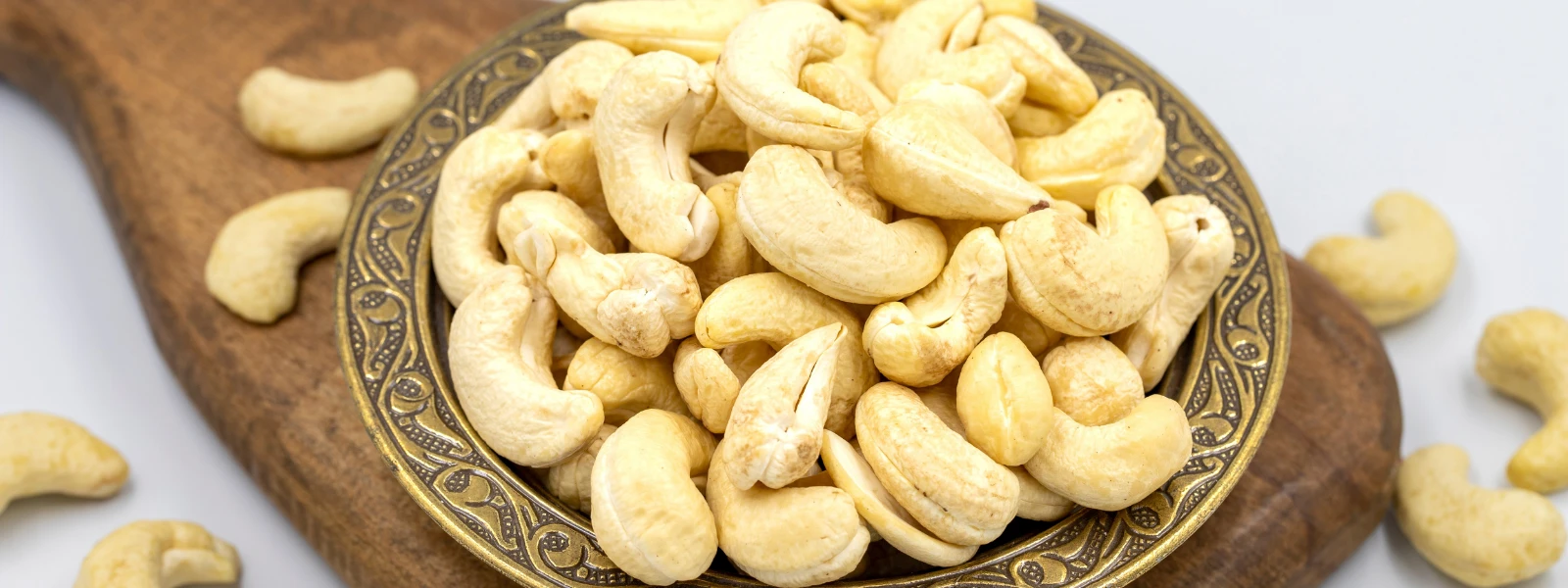
Cashew calories vary based on serving size and preparation method. A single cashew contains approximately 8-10 calories, making it easy to track your intake. Ten cashews deliver roughly 60-100 calories, while a standard one-ounce serving (about 18 cashews) provides 157-170 calories. For those who prefer metric measurements, 100 grams of cashews contain 545-600 calories.
Raw and roasted cashews contain nearly identical calorie counts. The roasting process doesn't significantly alter the calorie content, though it may slightly concentrate nutrients due to moisture loss. Raw cashews typically contain 157 calories per ounce, while roasted versions range from 160-170 calories per ounce.
Portion control becomes crucial when enjoying cashews. A quarter-cup serving delivers approximately 170 calories, while a half-cup jumps to 340 calories. Most nutritionists recommend sticking to one-ounce servings to balance nutritional benefits with calorie management.
Cashew nutrition extends far beyond calories alone. A one-ounce serving provides a balanced macronutrient profile that supports various bodily functions. Understanding these nutritional components helps you appreciate why cashews earn their superfood status despite their calorie density.
Cashews contain approximately 67% fat, 21% carbohydrates, and 12% protein by calorie distribution. This translates to roughly 12 grams of fat, 9 grams of carbs, and 5 grams of protein per ounce. The fat content consists primarily of heart-healthy monounsaturated and polyunsaturated fats.
Cashews deliver impressive micronutrient density. One ounce provides 20% of your daily copper needs, 16% of magnesium requirements, and 12% of manganese. They also contain zinc, iron, selenium, and B vitamins that support energy metabolism and immune function.
Despite their calorie density, cashews can support weight management when consumed mindfully. Their combination of protein, healthy fats, and fibre promotes satiety, potentially reducing overall calorie intake throughout the day. Research suggests that nuts' calorie absorption may be lower than previously calculated due to their cellular structure.
Successful weight management with cashews requires strategic portion control. Pre-portioning servings prevents mindless overeating. Consider measuring out one-ounce portions into small containers or bags. This approach helps maintain the nutritional benefits while controlling calorie intake.
The monounsaturated fats in cashews may boost metabolic rate and improve insulin sensitivity. These fats help regulate hunger hormones, potentially reducing cravings for processed foods. Studies indicate that people who regularly consume nuts tend to have lower body weights despite the calorie content.
Comparing calories in nuts reveals interesting patterns across different varieties. While cashews aren't the lowest calorie nuts, they offer unique nutritional advantages that justify their calorie content. Understanding these differences helps you choose the right nuts for your specific health goals.
Among popular nuts, almonds lead with 160 calories per ounce, followed closely by cashews at 157 calories. Pistachios provide 159 calories per ounce, while walnuts contain 185 calories. Pecans and macadamia nuts rank highest with 196 and 204 calories per ounce respectively.
Cashews offer moderate protein content relative to their calories. Almonds provide slightly more protein per calorie, while pistachios deliver the best protein-to-calorie ratio among tree nuts. However, cashews excel in mineral content, particularly copper and magnesium, making them nutritionally dense choices.
Cashew benefits extend well beyond their calorie and macronutrient content. These nuts contain bioactive compounds that support cardiovascular health, blood sugar regulation, and cognitive function. Understanding these benefits helps put their calorie content into proper perspective.
The monounsaturated fats in cashews help reduce LDL cholesterol while maintaining HDL levels. Magnesium supports healthy blood pressure, while antioxidants protect against oxidative stress. Regular cashew consumption has been linked to reduced cardiovascular disease risk in multiple studies.
Despite containing carbohydrates, cashews have a low glycemic index that won't spike blood sugar levels. Their fibre and protein content slow glucose absorption, making them suitable for people managing diabetes. The magnesium in cashews also supports insulin sensitivity and glucose metabolism.
Incorporating cashews into your daily routine requires strategic planning to maximize benefits while managing calories. Timing, portion sizes, and food combinations all influence how effectively you can enjoy these nutritious nuts without exceeding your calorie goals.
Most nutrition experts recommend limiting cashew intake to one ounce daily for optimal health benefits. This serving provides essential nutrients without excessive calories. Athletes or highly active individuals might increase portions to 1.5 ounces, depending on their total calorie needs and training demands.
Creative preparation methods can stretch cashew servings while controlling calories. Cashew-based sauces using smaller portions can flavor entire meals. Chopped cashews as salad toppers provide crunch and nutrition with minimal calorie impact. Blending cashews into smoothies adds creaminess without overwhelming calorie counts.
Twenty cashews contain approximately 160-200 calories, which equals about one ounce. This amount fits within recommended daily nut intake guidelines for most people. However, if you're watching calories closely or eating other high-calorie foods, you might want to reduce this portion.
Ten cashews provide roughly 80-100 calories, depending on their size. This makes them a reasonable snack option that won't derail most eating plans. Pairing them with fruit or vegetables can create a more balanced, filling snack.
Roasted and raw cashews contain virtually identical calorie counts. The roasting process may add 3-5 calories per ounce due to oil absorption, but this difference is negligible. Choose based on taste preference rather than calorie concerns.
Daily cashew consumption is generally safe and beneficial for most people when limited to appropriate portions. One ounce daily provides health benefits without excessive calories. People with tree nut allergies should obviously avoid cashews entirely.
Emerging research suggests that calories from nuts may not be fully absorbed due to their cellular structure. Some studies indicate that actual calorie absorption from cashews might be 16% lower than calculated values. However, it's still wise to count full calorie amounts for tracking purposes.
Eating cashews between meals can help control hunger and prevent overeating at main meals. Their protein and fat content provide sustained energy, making them excellent mid-afternoon snacks. Avoid eating large portions close to bedtime due to their calorie density.
Cashew calories shouldn't intimidate you when you understand their nutritional value and practice proper portion control. These nuts deliver essential nutrients, healthy fats, and plant-based protein that support overall health. While they're calorie-dense, their satiety benefits and potential for reduced calorie absorption make them valuable additions to balanced diets. Focus on one-ounce servings, choose preparation methods you enjoy, and appreciate cashews as part of a diverse, nutrient-rich eating pattern. Remember that quality nutrition isn't just about calories—it's about nourishing your body with foods that support long-term health and vitality.

