










Carbs in Rice: Your Complete Nutrition Guide

Get personalised recommendations with our assessment.
Personalised Health Diagnosis (PHD)
Rice sits at the center of countless meals worldwide, yet confusion swirls around its carbohydrate content and nutritional impact. Whether you're tracking macros, managing blood sugar, or simply trying to make healthier choices, understanding the carbohydrates in rice becomes crucial for informed eating. The reality? Not all rice is created equal, and the numbers might surprise you. From glycemic index variations to cooking methods that alter carb absorption, rice nutrition goes far deeper than most realize. Let's cut through the noise and examine what science actually tells us about this staple grain.
The carbohydrate content in rice varies dramatically depending on preparation and variety. Raw rice packs a carb punch with 70-80 grams per 100 grams, but cooking transforms this profile significantly. Cooked rice delivers 25-30 grams of carbohydrates per 100 grams, making it a moderate carb source rather than the carb bomb many believe it to be. White rice typically contains 28.73 grams per 100 grams when cooked, while brown rice comes in slightly lower at 25.58 grams per 100 grams.
A standard cup of cooked rice (approximately 195 grams) provides 45-53 grams of carbohydrates. This translates to roughly 180-212 calories from carbs alone, representing about 80% of rice's total caloric content.
The dramatic difference between raw and cooked carb content comes down to water absorption. Rice absorbs 2-3 times its weight in water during cooking, diluting the carbohydrate concentration significantly. This explains why cooked rice appears less carb-dense than its raw counterpart.
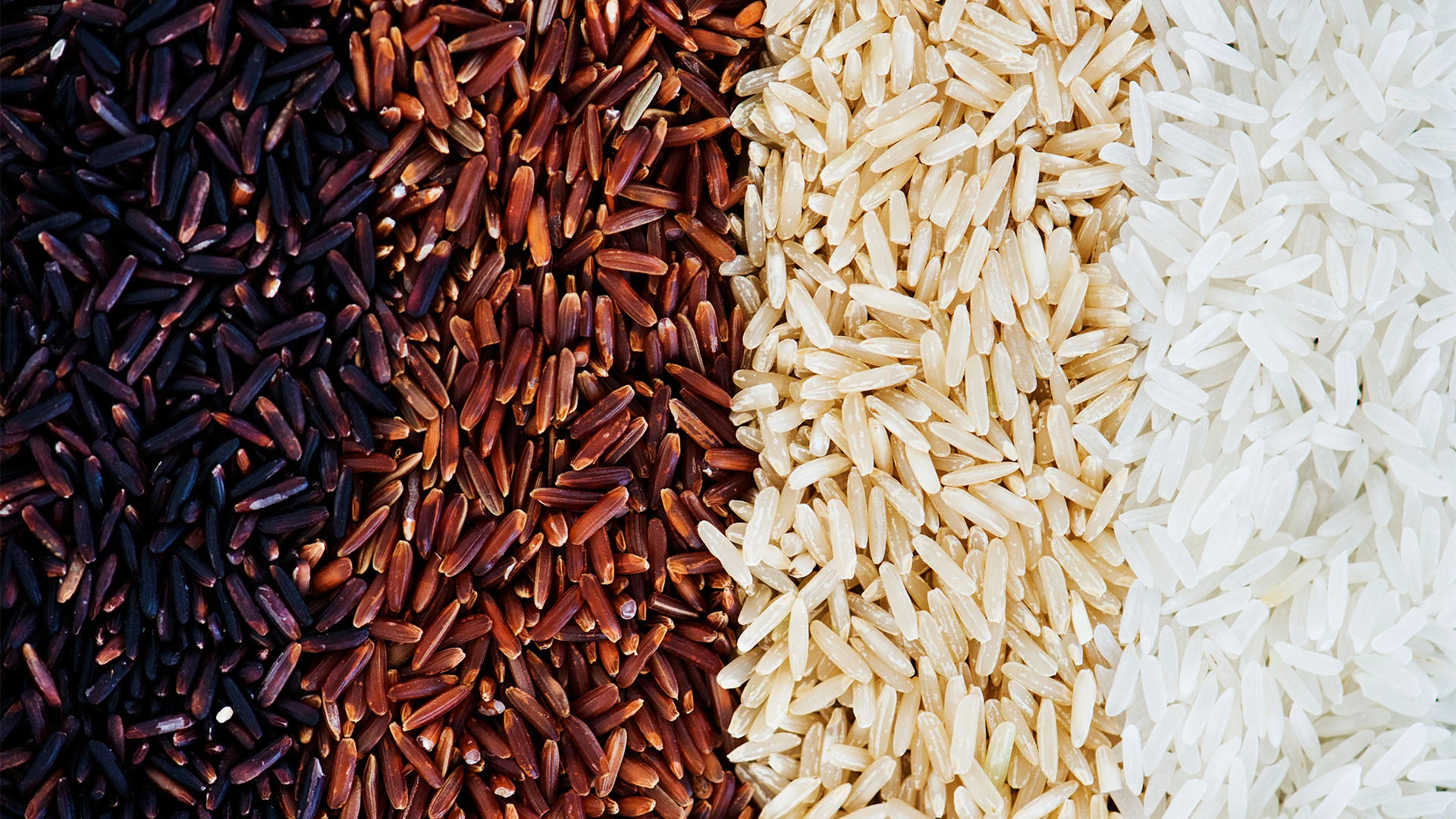
Different rice varieties showcase distinct carbohydrate profiles, challenging the assumption that all rice impacts blood sugar equally. Processing levels, grain length, and genetic variations all influence final carb content. White rice undergoes extensive processing, removing the bran and germ layers. This process strips away fibre but concentrates the starchy endosperm, resulting in higher available carbohydrates per serving.
Short and medium-grain white rice contains 28.73 grams of carbohydrates per 100 grams cooked. Long-grain varieties like jasmine and basmati typically range from 26-29 grams per 100 grams, with slight variations based on processing methods.
Brown rice retains its bran layer, providing 25.58 grams of carbohydrates per 100 grams cooked. The fibre content slows digestion and reduces the net carb impact, making it a preferred choice for blood sugar management.
Wild rice, technically a grass seed, offers the lowest carbohydrate content at approximately 35 grams per cup. Black rice and red rice fall between brown and white varieties, typically containing 24-27 grams per 100 grams cooked.
While carbohydrates dominate rice's nutritional profile, this grain provides additional nutrients that support overall health. Understanding the complete picture helps contextualize rice within a balanced diet. Rice calories clock in at approximately 130 per 100 grams cooked, making it a relatively low-calorie carbohydrate source. The caloric density remains consistent across most varieties, with minimal variation between white and brown types.
Rice provides 2.7 grams of protein per 100 grams cooked, representing about 8% of total calories. While not a complete protein source, rice offers essential amino acids that complement legumes and vegetables in plant-based diets. Fat content remains minimal at 0.3 grams per 100 grams, making rice virtually fat-free. This characteristic supports its role as a clean energy source without added lipid complexity.
White rice contains just 0.4 grams of fibre per 100 grams, while brown rice provides 1.8 grams. This fibre difference significantly impacts digestion speed and blood sugar response. Brown rice delivers superior B-vitamin content, particularly thiamine, niacin, and vitamin B6. White rice often undergoes fortification to replace nutrients lost during processing, though natural brown rice nutrition typically surpasses enriched white varieties.
The rice glycemic index reveals crucial information about how different varieties affect blood sugar levels. This measurement becomes particularly important for individuals managing diabetes or optimizing athletic performance. White rice scores 64 on the glycemic index, placing it in the medium-high range. Brown rice rates lower at 55, qualifying as a medium glycemic index food. These differences stem from fibre content and processing levels that affect digestion speed.
Rice carbohydrates consist primarily of starch molecules that break down rapidly in the digestive system. The amylose-to-amylopectin ratio determines digestion speed, with higher amylopectin content leading to faster blood sugar spikes.
Portion size dramatically influences rice's glycemic impact. A half-cup serving produces different blood sugar responses than a full cup, regardless of variety. Combining rice with protein, healthy fats, or fibre-rich vegetables can moderate its glycemic effect. For individuals with diabetes, brown rice or wild rice varieties offer better blood sugar control. The additional fibre slows glucose absorption, preventing rapid spikes that challenge insulin response.
Rice offers legitimate health benefits that extend beyond simple energy provision. Its role in global nutrition patterns demonstrates both versatility and nutritional value when consumed appropriately. The benefits of rice include easy digestibility, gluten-free status, and quick energy delivery. For athletes or active individuals, rice provides readily available glucose for muscle glycogen replenishment.
The relationship between rice and weight gain depends heavily on portion control and overall dietary context. Rice itself doesn't cause weight gain; excess calories from any source do. Rice's satiety factor varies by preparation method and accompanying foods. Plain white rice may leave you hungry sooner than brown rice paired with protein and vegetables.
Rice ranks among the most easily digested grains, making it suitable for sensitive stomachs or post-illness recovery. Its low fibre content (in white varieties) can benefit individuals with certain digestive conditions. Brown rice supports gut health through prebiotic fibre that feeds beneficial bacteria. However, some people may experience digestive discomfort from the higher fibre content initially.
Cooking rice methods significantly impact its nutritional profile and carbohydrate absorption. Strategic preparation can optimize rice's health benefits while minimizing potential drawbacks. The cooking rice process affects resistant starch formation, a beneficial compound that acts more like fiber than traditional starch. Cooling cooked rice and reheating it increases resistant starch content by up to 10-15%.
Using minimal water during cooking preserves water-soluble vitamins that might otherwise leach out. The absorption method (using exact water amounts) retains more nutrients than the draining method.
Combining rice with protein sources like our plant-based protein options can slow digestion and improve satiety. Adding healthy fats from nuts, seeds, or avocado further moderates blood sugar response. Vegetables high in fibre create a more balanced meal that reduces rice's glycemic impact. This approach allows you to enjoy rice while maintaining stable energy levels.
Most carbohydrates in rice are starch, specifically 72-75% of total carbs, consisting of amylose and amylopectin chains. Rice also contains small amounts of free sugars like glucose and sucrose, typically less than 1% of total carbohydrate content.
Cooked rice contains 25-30 grams of carbohydrates per 100 grams, with white rice averaging 28.73 grams and brown rice containing 25.58 grams per 100-gram serving. Raw rice contains 70-80 grams per 100 grams before water absorption during cooking.
Rice contains moderate carbohydrates at 50-53 grams per cup, making it suitable for active individuals and balanced diets. For low-carb diets, portion control becomes essential, but rice isn't inherently "too high" in carbs for most people.
Diabetics can eat rice in controlled portions, preferably brown rice or wild rice varieties. Combining rice with protein, healthy fats, and fibre-rich vegetables helps minimize blood sugar spikes. Portion size and meal timing matter significantly.
Wild rice contains the lowest carbohydrates at approximately 35 grams per cup, followed by brown rice varieties. Cauliflower rice serves as an ultra-low-carb alternative with only 5 grams per cup for those seeking dramatic carb reduction.
Rice is primarily a carbohydrate source, with about 80% of calories from carbs and only 8% from protein. While rice contains some protein (2.7g per 100g cooked), it functions nutritionally as a carbohydrate-dense food rather than a protein source.
Rice nutrition extends far beyond simple carb counting. The type of rice, cooking method, and meal composition all influence how your body processes these carbohydrates. Brown rice and wild rice offer superior nutritional profiles for most health goals, while white rice serves specific purposes in athletic nutrition or digestive recovery.
Portion awareness trumps rice avoidance for most people. A half-cup to one-cup serving fits comfortably within balanced meal plans, especially when paired with protein and vegetables. The key lies in understanding rice's role within your overall nutrition strategy rather than viewing it as inherently good or bad.
For optimal health outcomes, consider rice as one component of a diverse, nutrient-dense diet. Whether you choose white, brown, or wild varieties, mindful consumption and strategic meal pairing will help you harness rice's energy benefits while maintaining stable blood sugar and supporting your wellness goals.

