










Calories in 3 Chapatis: Complete Nutrition Guide

Get personalised recommendations with our assessment.
Personalised Health Diagnosis (PHD)
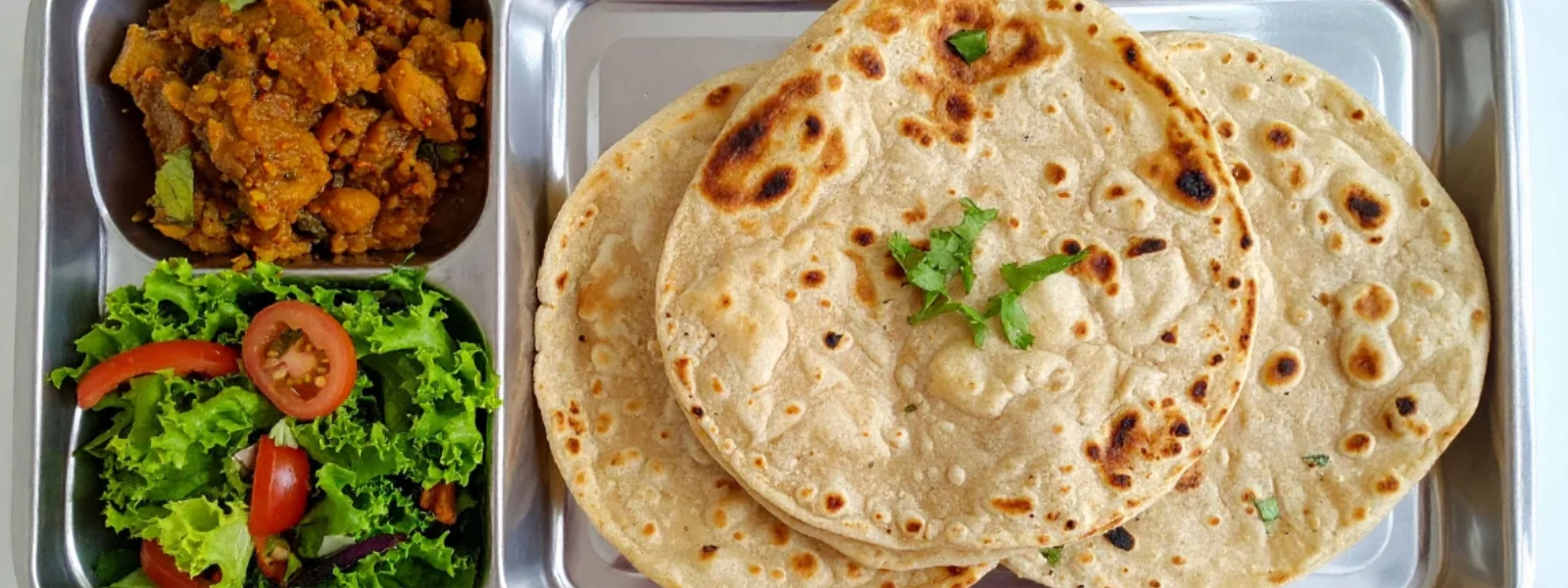
When it comes to understanding the nutritional value of our daily staples, chapati stands as one of India's most beloved and essential foods. Whether you're planning your meals for weight management or simply want to make informed dietary choices, knowing the exact calories in 3 chapati can transform how you approach your nutrition goals. This comprehensive guide breaks down everything you need to know about chapati calories, from size variations to cooking methods, helping you make smarter decisions about this fundamental part of Indian cuisine.
Three medium-sized chapatis contain approximately 300-360 calories, making them a substantial yet manageable portion for most meal plans. This calorie range depends on several factors including size, flour type, and cooking method. Here's a quick breakdown based on chapati size:
• Small chapatis (3 pieces): 210-300 calories
• Medium chapatis (3 pieces): 300-360 calories
• Large chapatis (3 pieces): 420-510 calories
The cooking method significantly impacts the final calorie count. Plain chapatis cooked without oil or ghee fall on the lower end of these ranges, while those prepared with added fats can increase the total by 120-135 calories for all three combined.
Understanding chapati nutrition facts goes beyond just counting calories. Three medium whole wheat chapatis provide a well-rounded macronutrient profile that supports sustained energy and nutritional balance. The complete nutritional breakdown for 3 medium chapatis includes:
• Carbohydrates: 54-60 grams (primary energy source)
• Protein: 9-12 grams (muscle maintenance and growth)
• Fat: 3-9 grams (varies with cooking method)
• Dietary Fibre: 8-11 grams (digestive health)
• Iron: 2-3 mg (oxygen transport)
• Magnesium: 45-60 mg (muscle and nerve function)
• Potassium: 180-220 mg (heart health)
Whole wheat chapatis offer superior nutritional value compared to refined flour versions. They contain higher fibre content, more B-vitamins, and essential minerals that support overall health and sustained energy release.
Three chapatis provide approximately 20-25% of your daily carbohydrate needs, 15-20% of protein requirements for sedentary adults, and significant portions of essential minerals like iron and magnesium.
The calories in whole wheat chapati vary significantly based on size and preparation method. Understanding these variations helps you make precise calculations for your daily calorie intake. Detailed size-based calorie breakdown:
• Small chapati (25-30g): 65-80 calories each
• Medium chapati (35-45g): 100-120 calories each
• Large chapati (50-60g): 130-160 calories each
The cooking method dramatically affects the final calorie count. Oil-free chapatis represent the baseline calorie content, while added fats increase the nutritional density.
Calories in homemade chapati are typically lower and more controlled compared to restaurant versions. Home preparation allows you to monitor oil usage and portion sizes more effectively, often resulting in 20-30% fewer calories per serving.
Incorporating 3 chapatis into a weight loss Indian diet requires strategic planning and mindful portion control. These traditional breads can absolutely support your weight management goals when consumed thoughtfully. Effective portion control guidelines suggest consuming 2-3 chapatis per main meal, depending on your activity level and overall calorie requirements. For most adults following a weight loss plan, 3 medium chapatis provide adequate carbohydrates without exceeding daily calorie limits.
Consuming chapatis earlier in the day allows better utilization of their carbohydrate content for energy. Lunch remains the ideal time for your largest chapati portion, while dinner portions should be smaller.
Pairing 3 chapatis with protein-rich dal, fibre-packed vegetables, and healthy fats creates balanced meals that promote satiety and support weight loss goals. This combination helps maintain stable blood sugar levels throughout the day.
When evaluating Indian bread calories, chapati emerges as one of the healthier options available. Understanding these comparisons helps you make informed choices about your daily bread consumption. Comprehensive calorie comparison per piece:
• Chapati: 100-120 calories
• Naan: 160-200 calories
• Paratha: 180-250 calories
• Bhatura: 200-300 calories
• Puri: 80-100 calories (but deep-fried)
Three medium chapatis provide similar calories to approximately 1.5 cups of cooked rice, but with significantly higher fibre content and better satiety factor.
Whole wheat chapatis have a lower glycemic index compared to white rice and refined flour breads, making them better choices for blood sugar management and sustained energy release.
Regular consumption of 3 chapatis daily offers numerous health benefits when part of a balanced diet. The fibre content supports digestive health, while the complex carbohydrates provide sustained energy for daily activities. For individuals managing diabetes, 3 chapatis can fit into a controlled meal plan when paired with protein and vegetables. The fibre content helps slow glucose absorption, supporting better blood sugar control.
The 8-11 grams of fibre from 3 chapatis contribute significantly to daily fibre requirements, promoting healthy digestion and regular bowel movements.
The complex carbohydrates in chapatis provide steady energy release, avoiding the blood sugar spikes associated with refined carbohydrates.
Individuals with gluten sensitivity should opt for alternative grain chapatis like millet or rice flour versions. Portion awareness remains crucial for those managing weight or blood sugar levels.
Yes, 3 chapatis can fit into a weight loss diet when consumed as part of balanced meals. The key lies in controlling portion sizes of accompanying dishes and maintaining an overall calorie deficit.
Three chapatis prepared with 1 teaspoon of ghee each contain approximately 450-500 calories, adding about 135-150 calories from the ghee alone.
Three oil-free chapatis contain 300-360 calories, representing the base calorie content without any added fats during cooking.
Chapatis contain moderate amounts of potassium, with 3 medium chapatis providing approximately 180-220mg, which supports heart health and muscle function.
Chapati and roti are essentially the same food item with identical calorie content. Regional naming differences don't affect the nutritional value.
Make smaller chapatis, use minimal oil during cooking, and increase the vegetable content in your meals to maintain satiety while reducing overall calorie intake.
Understanding the calories in 3 chapati empowers you to make informed dietary decisions that align with your health goals. Whether you're managing weight, planning balanced meals, or simply curious about your daily nutrition intake, these traditional breads offer substantial nutritional value when consumed mindfully. Remember that the quality of ingredients, cooking methods, and meal combinations all play crucial roles in maximizing the health benefits of this beloved Indian staple.


Someone sent you
Error
Powered by ReferRush