










Best Protein for Women: Complete Nutrition Guide

Get personalised recommendations with our assessment.
Personalised Health Diagnosis (PHD)
The protein landscape for women has never been more confusing. Walk into any supplement store, and you'll be bombarded with pink-packaged powders promising everything from weight loss to muscle gain. But here's the reality: women's protein needs are fundamentally different from men's, and most advice out there treats everyone the same. Your hormones, metabolism, and body composition goals require a smarter approach. Let's cut through the marketing noise and dive into what actually works for women's bodies.
Your body doesn't process protein the same way a man's does. Hormonal fluctuations throughout your menstrual cycle affect how efficiently you synthesize muscle protein. During the luteal phase, your protein requirements can increase by up to 12%. This isn't just academic theory—it's the difference between seeing results and spinning your wheels.
Estrogen plays a protective role in muscle protein breakdown, which means women can often maintain muscle mass with slightly lower protein intake than men. However, this same hormone can make it harder to build new muscle tissue. The sweet spot for most active women falls between 1.2-1.6 grams per kilogram of body weight—higher than the outdated RDA recommendations.
Forget the generic "0.8 grams per kilogram" advice. That's survival-level protein, not optimization. For women looking to maintain muscle, support metabolism, and feel energized, aim for 25-30 grams of high-quality protein at each meal. This approach maximizes muscle protein synthesis throughout the day rather than overwhelming your system with one massive protein bomb.
Real food should always be your foundation. But let's be honest about modern life—sometimes convenience matters just as much as nutrition. The key is knowing when to choose whole foods and when supplements make sense.
Your body recognizes and processes whole food proteins more efficiently than isolated powders. Greek yogurt delivers 20 grams of protein plus probiotics for gut health. Wild-caught salmon provides complete amino acids alongside omega-3 fatty acids that support hormone production. Eggs remain the gold standard for amino acid completeness—and they're budget-friendly.
Supplements aren't magic, but they're incredibly practical. Post-workout, your muscles are primed for protein synthesis, and liquid protein gets absorbed faster than solid food. If you're plant-based, combining different protein sources for women becomes crucial since most plant proteins are incomplete. This is where our plant-based options shine—they're formulated to provide complete amino acid profiles without the guesswork.
Not all protein powders are created equal, especially for women. Your digestive system, hormone balance, and fitness goals all influence which type works best for your body.
Whey protein for women remains the most researched and effective option for muscle building and recovery. It's rapidly absorbed, contains all essential amino acids, and has the highest biological value of any protein source. However, many women experience bloating or digestive issues with whey—often due to lactose content or artificial additives.
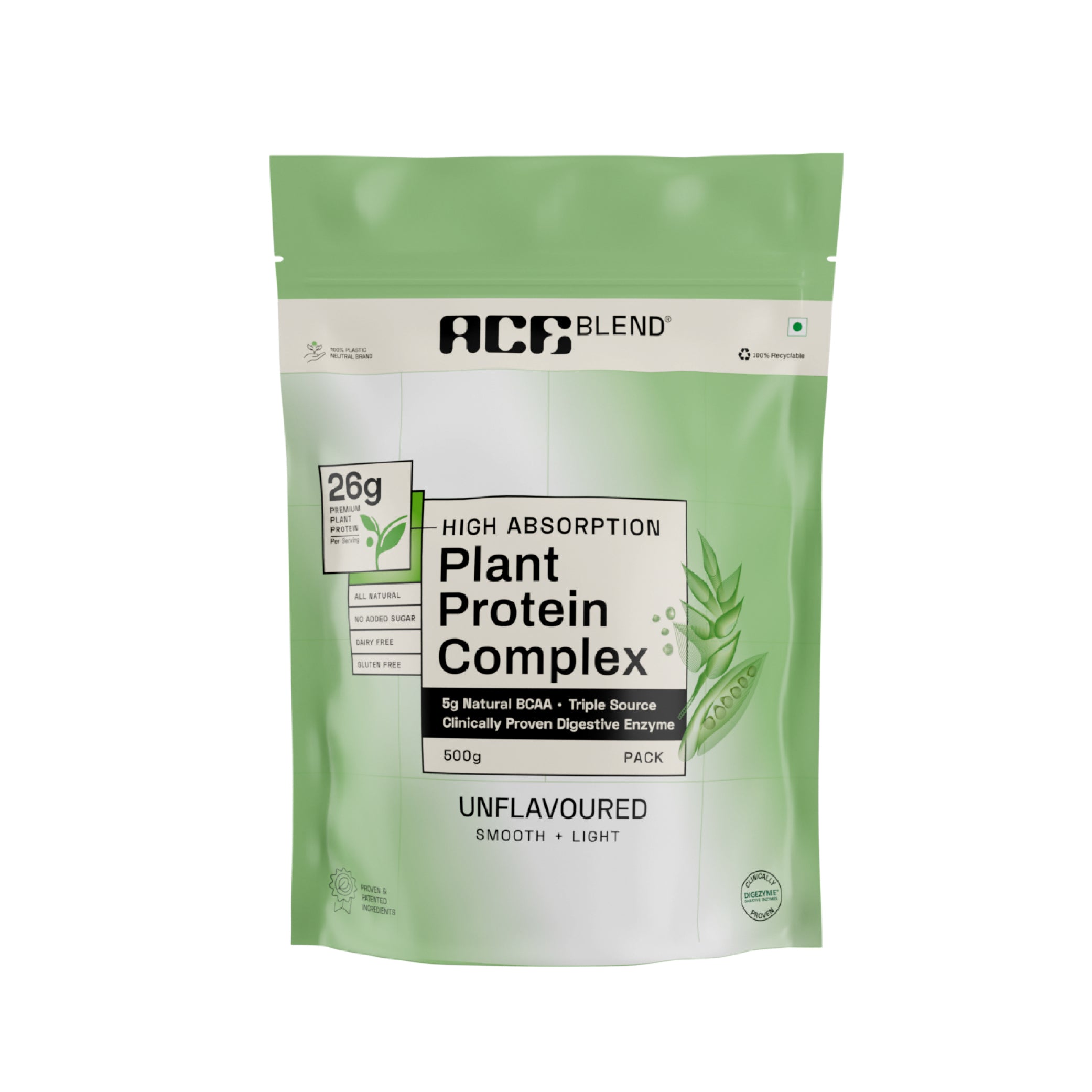
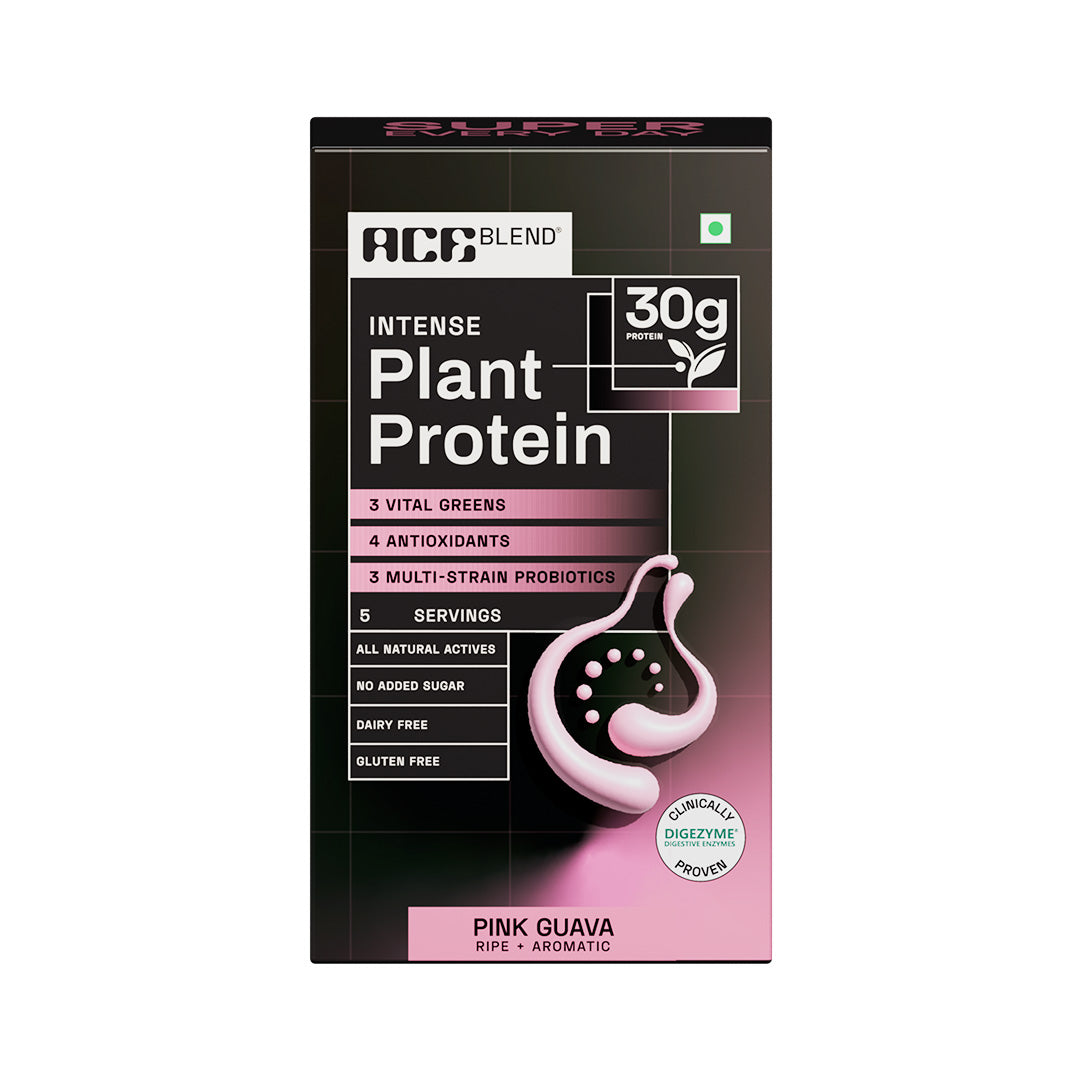
Plant proteins have evolved far beyond chalky, gritty powders. Modern formulations combine multiple plant sources to create complete amino acid profiles. Pea protein is particularly effective for women because it's hypoallergenic and rich in branched-chain amino acids. Our plant-based proteins are specifically designed to be gut-friendly while delivering the complete nutrition your body needs.
The supplement industry loves targeting women with inferior products in pretty packaging. Look for third-party testing, minimal ingredients, and transparent labeling. Avoid products loaded with artificial sweeteners, fillers, or proprietary blends that hide actual protein content.
Protein is your secret weapon for sustainable weight loss, but not for the reasons most people think. It's not about burning calories—it's about controlling hunger and preserving muscle mass during fat loss.
Protein has the highest thermic effect of all macronutrients, meaning your body burns more calories digesting it. More importantly, adequate protein intake prevents the muscle loss that typically accompanies calorie restriction. When you lose muscle, your metabolism slows down, making long-term weight maintenance nearly impossible.
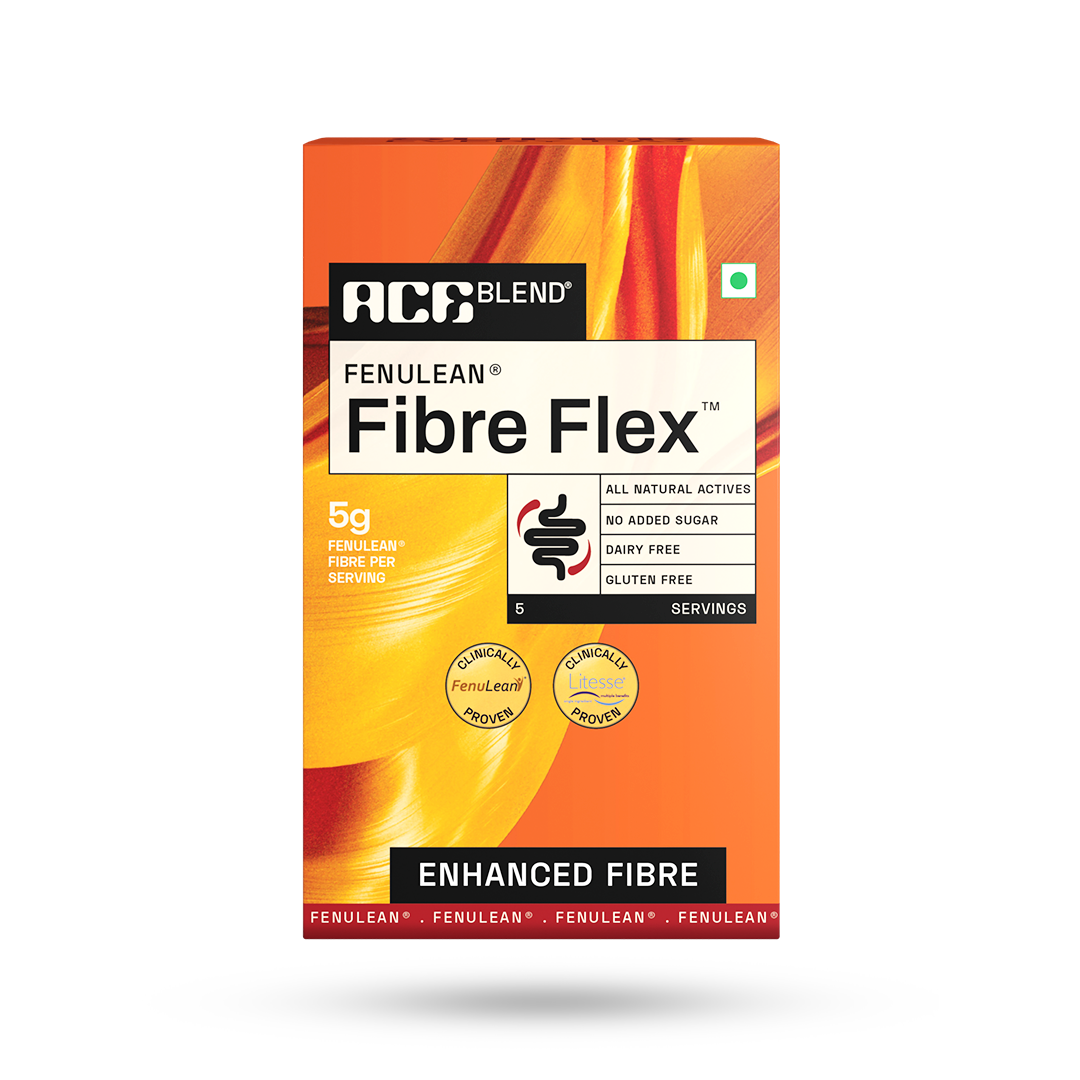
Best protein shakes for women focused on weight loss should be low in added sugars and high in fiber. Timing matters too—having protein at breakfast can reduce cravings throughout the day. Consider our FenuLean Fibre Flex alongside your protein routine for enhanced satiety and digestive support.
Let's address the elephant in the room: protein won't make you bulky. Women have significantly lower testosterone levels than men, making it physiologically difficult to build large amounts of muscle mass. What protein will do is help you build lean, strong muscle that boosts metabolism and improves body composition.
If you're lifting weights consistently, your protein needs increase to support muscle repair and growth. Aim for 1.6-2.2 grams per kilogram of body weight. The post-workout "anabolic window" isn't as narrow as once believed, but having protein within a few hours of training optimizes recovery.
Protein supports more than just muscles. It's crucial for hormone production, immune function, and maintaining healthy skin and hair. Our protein formulations consider these broader health benefits, not just muscle building.
Your protein strategy should evolve with your goals, lifestyle, and life stage. What works in your twenties might need adjustment in your forties. The key is staying flexible while maintaining consistency.
Start by tracking your current intake for a week—most women are surprised by how little protein they actually consume. Then gradually increase intake by adding protein to meals you already eat. Our Unflavoured Protein can be seamlessly added to dal, gravies, or even rotis without changing taste or texture.
Protein doesn't work in isolation. Adequate hydration supports protein metabolism, while quality sleep is when muscle repair actually happens. Consider our Max Magnesium to support better sleep quality, which directly impacts how well your body utilizes the protein you consume.
Active women should aim for 1.2-1.6 grams per kilogram of body weight, distributed across meals throughout the day. This translates to roughly 25-30 grams per meal for most women.
Protein powder itself won't cause weight gain—excess calories do. Most quality protein powders contain 100-150 calories per serving. When used to replace higher-calorie snacks or as part of a balanced diet, protein powder can actually support weight management.
Timing is less critical than total daily intake. However, having protein within a few hours post-workout and including it at breakfast can optimize muscle recovery and appetite control throughout the day.
Absolutely. Whole foods should be your primary protein source. Supplements are convenient additions, not replacements. Use them when whole foods aren't practical or to fill gaps in your daily intake.
High-quality plant protein blends can be just as effective as whey when they provide complete amino acid profiles. The key is choosing products that combine multiple plant sources to ensure amino acid completeness.
Yes. Declining estrogen levels can accelerate muscle loss, making adequate protein even more critical. Many women benefit from slightly higher protein intake during and after menopause to maintain muscle mass and bone density.
Your protein needs are unique to your body, goals, and lifestyle. Don't fall for one-size-fits-all recommendations or marketing gimmicks targeting women with inferior products. Focus on quality sources—whether whole foods or carefully chosen supplements—and consistency over perfection. Remember that protein is just one piece of your wellness puzzle. When combined with regular exercise, adequate sleep, and stress management, the right protein strategy can transform how you look, feel, and perform. Start with small, sustainable changes and adjust based on your results and changing needs.

