














Apple Protein 101: Nutrition Facts and Health Insights

Get personalised recommendations with our assessment.
Personalised Health Diagnosis (PHD)
Let's be honest—when you think protein powerhouses, apples probably don't make the list. But here's the thing: understanding what's actually in your food matters more than chasing nutrition myths. While apples won't single-handedly meet your protein goals, they play a smart role in a well-rounded nutrition strategy. We're diving deep into apple protein content, complete nutrition facts, and clever ways to transform this humble fruit into part of your daily protein game plan. No fluff, just the science-backed truth about what apples bring to your plate.
Here's the straight answer: a medium apple (about 150 grams) contains roughly 0.3 to 0.5 grams of protein. That's it. To put this in perspective, you'd need to eat about 100 apples to hit the daily protein recommendation for an average adult (50-60 grams). Clearly, apples aren't winning any protein contests. The protein content varies slightly between apple varieties, but we're talking minimal differences. A Granny Smith might have 0.4 grams while a Red Delicious clocks in at 0.3 grams. The apple's skin contributes a tiny fraction more protein than the flesh alone, but we're still in negligible territory.
Per 100 grams of apple (about two-thirds of a medium apple), you're looking at approximately 0.26 grams of protein. This makes apples one of the lower-protein fruits available. The protein in apples consists of incomplete amino acids, meaning they don't provide all nine essential amino acids your body needs.
Considering most adults need 0.8 grams of protein per kilogram of body weight daily, that single apple contributes less than 1% of your daily protein requirements. For a 70-kilogram person, that's about 56 grams of protein needed daily—making that apple's contribution almost statistically irrelevant from a protein standpoint.
While apples fall short on protein, their complete nutritional profile tells a different story. A medium apple delivers about 95 calories with a solid mix of nutrients that support overall health and vitality. Here's what you're actually getting in that medium apple: 25 grams of carbohydrates (mostly natural sugars like fructose), 4 grams of dietary fibre, and virtually zero fat. The fibre content is where apples truly shine—that's about 16% of your daily fibre needs in one fruit.
Apples pack meaningful amounts of vitamin C (about 14% of daily value), potassium (6% of daily value), and smaller amounts of vitamin K, vitamin A, and various B vitamins. The antioxidant quercetin, found primarily in apple skin, provides anti-inflammatory benefits that extend far beyond basic nutrition numbers.
Keeping the skin on your apple doesn't dramatically boost protein content, but it does increase fibre by about 15% and doubles the antioxidant content. The skin also contains most of the apple's vitamin A and contributes to the overall mineral content.
Since apples alone won't meet your protein needs, the real strategy lies in smart pairings. These combinations transform a low-protein snack into a balanced, satisfying option that actually contributes to your daily protein goals. Apple and nut butter creates the classic protein-boosting combo. Two tablespoons of natural peanut butter add about 8 grams of protein, bringing your total to 8.5 grams. Almond butter provides similar benefits with slightly different micronutrients.
Pairing apple slices with Greek yogurt creates a protein powerhouse. A 6-ounce serving of plain Greek yogurt contains 15-20 grams of protein, making this combination a legitimate protein snack. The natural sweetness of apples balances yogurt's tartness without added sugars.
Classic for a reason—apple slices with cheese provide both protein and healthy fats. An ounce of cheddar cheese adds 7 grams of protein, while cottage cheese offers even more at 14 grams per half-cup serving.
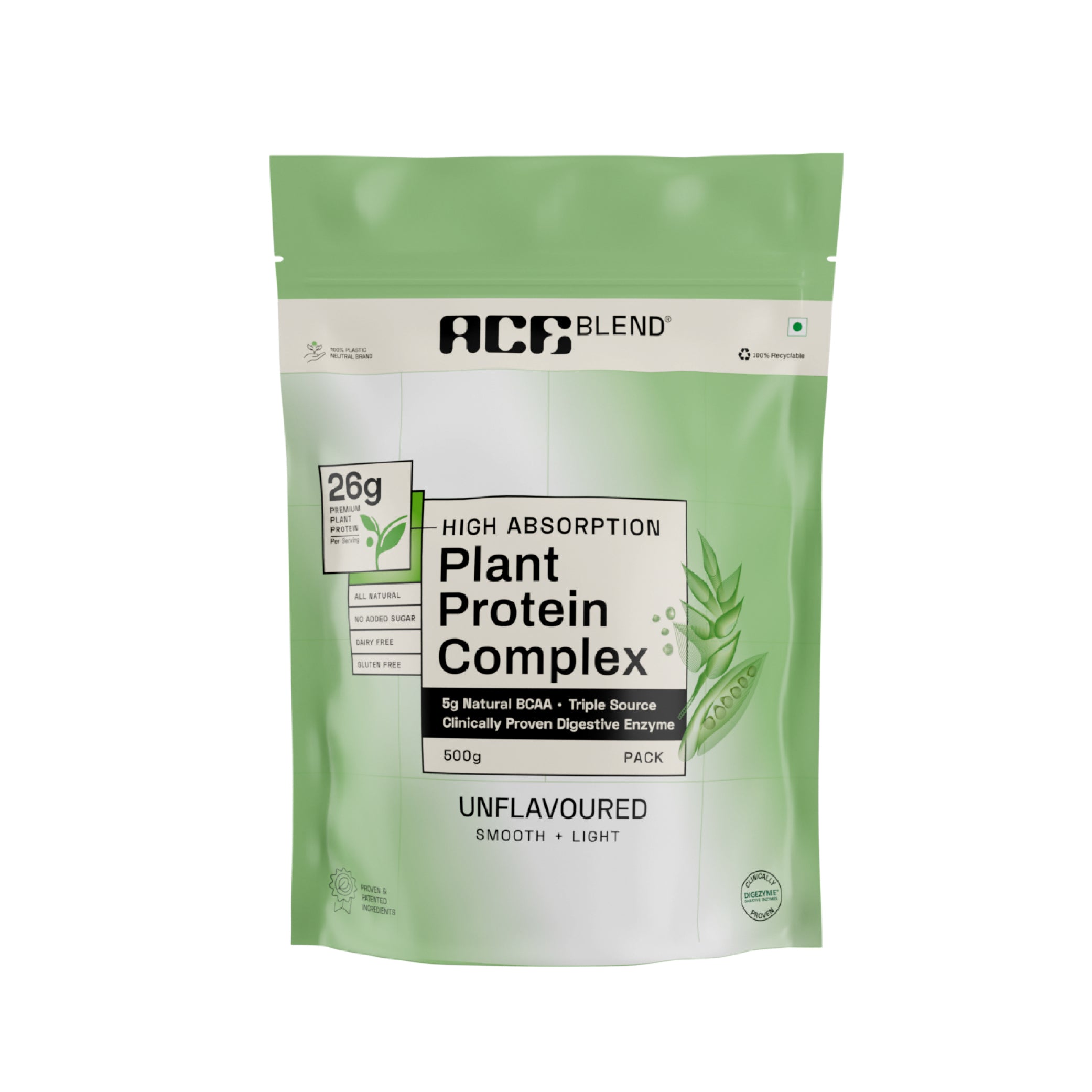
Smoothies offer the most flexible platform for boosting apple's protein content. By blending apples with high-protein ingredients, you create nutrient-dense meals that actually move the needle on your daily protein intake. A basic apple protein smoothie combines one medium apple, one scoop of plant-based protein powder (like our DAILY Protein with 20 grams), and unsweetened almond milk. This delivers over 20 grams of complete protein while maintaining the apple's natural sweetness and fiber benefits.
Blend green apple with spinach, protein powder, and a tablespoon of almond butter for a nutrient-dense meal replacement. The apple masks any vegetal taste while contributing natural sugars for energy. Add ice and water to reach your preferred consistency.
Pre-slice apples and portion them with measured amounts of nut butter or cheese for grab-and-go protein snacks. Store apple slices in lemon water to prevent browning, and keep protein components separate until ready to eat.
In the fruit protein hierarchy, apples sit near the bottom. Understanding where different fruits rank helps you make informed choices when protein intake matters. Higher-protein fruits include guava (4.2 grams per cup), blackberries (2 grams per cup), and kiwi (2.1 grams per cup). Even bananas, often dismissed as "just sugar," provide 1.3 grams of protein—nearly three times more than apples.
When protein intake is a priority, choose fruits strategically. Berries offer more protein per calorie than apples, while tropical fruits like guava provide substantial protein alongside unique vitamin profiles. However, apples excel in other areas like fibre content and antioxidant diversity.
Mixing higher-protein fruits with apples creates balanced snacks. A fruit salad combining apple chunks, blackberries, and sliced kiwi provides varied textures, flavors, and a more substantial protein contribution than apples alone.
While apples won't solve your protein needs, they deliver significant health benefits that support overall vitality and wellness. The fibre content alone makes apples valuable for digestive health and blood sugar management. Apple's pectin fibre slows sugar absorption, preventing blood glucose spikes that can derail energy levels. This makes apples an excellent choice for sustained energy, especially when paired with protein sources that further stabilize blood sugar.
Regular apple consumption correlates with improved heart health markers. The combination of fibre, antioxidants, and potassium supports healthy blood pressure and cholesterol levels. Quercetin, the primary antioxidant in apple skin, demonstrates anti-inflammatory properties that benefit cardiovascular function.
Apples' high water content (88%) and fibre create satiety with relatively few calories. This makes them valuable for weight management strategies, especially when replacing higher-calorie snacks. The act of chewing whole apples also triggers satiety signals more effectively than drinking apple juice.
No, apples are not a significant protein source. With only 0.3-0.5 grams per medium fruit, they contribute less than 1% of daily protein needs. However, they provide valuable fibre, antioxidants, and vitamins that support overall health.
Guava leads among common fruits with 4.2 grams of protein per cup, followed by blackberries (2 grams per cup) and kiwi (2.1 grams per cup). These fruits provide significantly more protein than apples while offering unique nutritional benefits.
Bananas contain more protein than apples. A medium banana provides approximately 1.3 grams of protein compared to an apple's 0.5 grams. Both are considered low-protein fruits, but bananas offer nearly three times more protein per serving.
Pair apples with high-protein foods like nut butters (8 grams per 2 tablespoons), Greek yogurt (15-20 grams per 6 ounces), cheese (7 grams per ounce), or blend into smoothies with protein powder for 20+ grams total protein.
Apple peels contribute minimal additional protein—less than 0.1 grams. However, keeping the peel provides more fibre, antioxidants, and micronutrients. The protein benefit is negligible, but overall nutritional value increases with skin intact.
Apples alone don't provide adequate post-workout protein for muscle recovery. However, they offer quick-digesting carbohydrates that help replenish glycogen stores. Combine with protein sources like Greek yogurt or protein powder for complete post-workout nutrition.
Apples aren't protein powerhouses, and that's perfectly fine. With 0.3-0.5 grams per fruit, they serve different nutritional purposes—providing fibre, antioxidants, and natural energy rather than building blocks for muscle protein synthesis. The real value lies in strategic combinations. Pairing apples with genuine protein sources creates satisfying, nutritionally complete snacks that support both immediate energy needs and long-term health goals. Whether it's apple slices with almond butter or blending apples into protein smoothies, smart combinations maximize nutritional impact. Understanding what each food contributes helps build sustainable nutrition habits. Apples excel at providing fibre, hydration, and antioxidants—not protein. Recognizing these strengths allows you to incorporate them effectively into a balanced diet that meets all your nutritional needs, including adequate protein intake from appropriate sources.

