










Aloo Paratha: A Complete Nutrition Guide

Get personalised recommendations with our assessment.
Personalised Health Diagnosis (PHD)
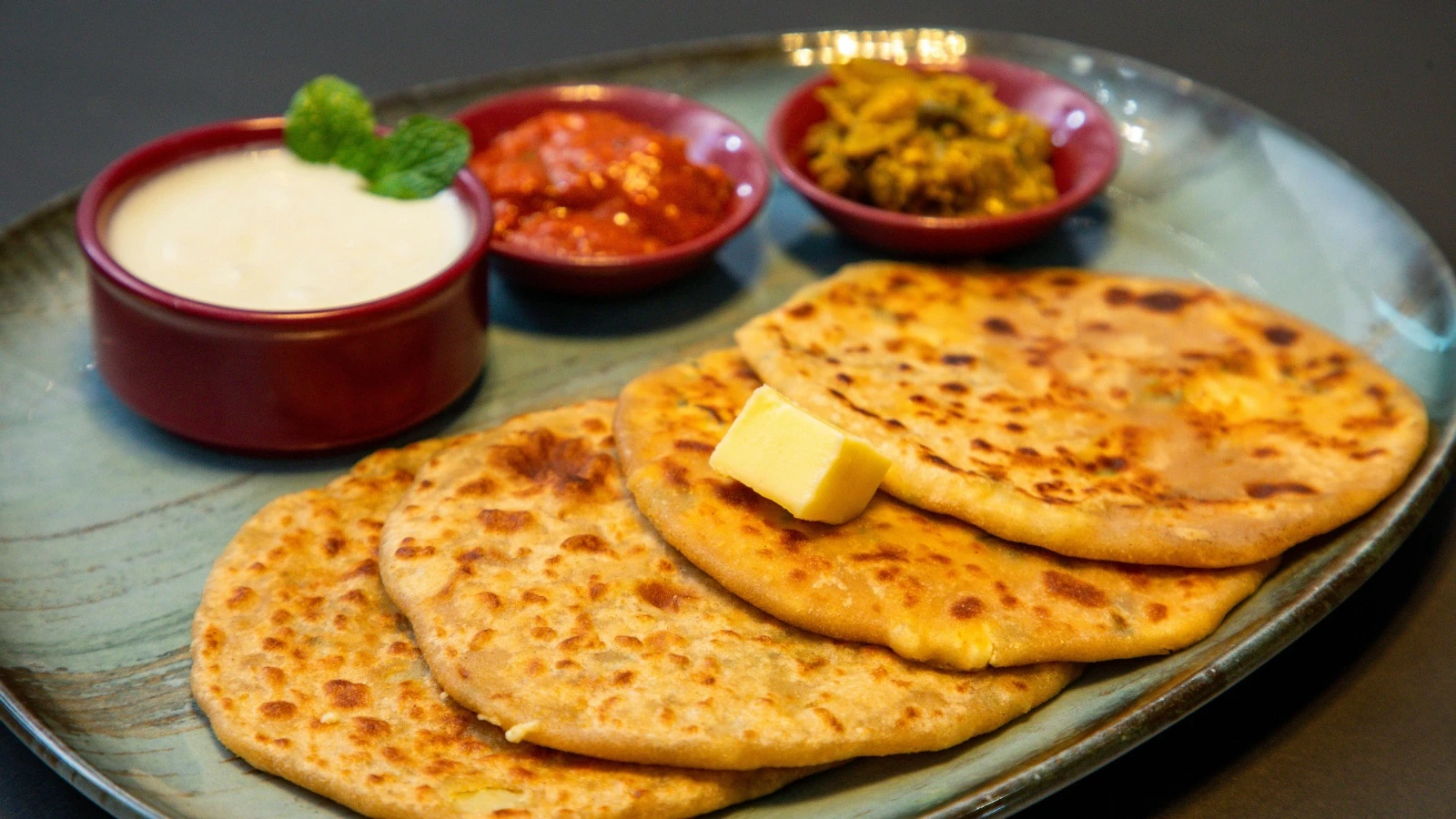
Let's be real about aloo paratha calories. This beloved Indian flatbread stuffed with spiced potatoes has been fueling families for generations, but if you're tracking your nutrition, you need the facts. One medium aloo paratha packs around 125 calories, but that number can swing dramatically based on size, cooking method, and ingredients. Whether you're meal prepping, managing weight goals, or just curious about what's on your plate, understanding aloo paratha nutrition helps you make informed choices without giving up the foods you love.
The calories in a single aloo paratha depend heavily on size and preparation method. A homemade medium-sized aloo paratha (around 40g) contains approximately 125 calories. However, this number varies significantly based on several factors. Here's the breakdown by size:
• Small paratha (30g): 94 calories
• Medium paratha (40g): 125 calories
• Large paratha (50g): 157 calories
• Restaurant-style (100g): 200-400+ calories
Cooking method dramatically impacts the final calorie count. A paratha cooked with minimal oil contains around 120 calories, while the same paratha prepared with generous amounts of ghee or butter can reach 300-385 calories. Deep-fried versions, common in some restaurants, can exceed 400 calories per piece.
The type and amount of fat used during cooking makes the biggest difference in aloo paratha calories. One tablespoon of oil adds roughly 120 calories, while ghee contributes about 112 calories per tablespoon. Many traditional recipes use 2-3 tablespoons of fat per paratha, which can double the calorie content.
Homemade aloo parathas typically contain fewer calories than restaurant versions. Commercial kitchens often use more oil and larger portions, resulting in parathas that can contain 300-500 calories each. Making them at home gives you complete control over ingredients and cooking methods.
Beyond calories, aloo paratha provides a mix of macronutrients that contribute to your daily nutritional needs. Understanding the complete nutrition profile helps you see how this traditional food fits into a balanced diet. Per 100g serving, aloo paratha contains:
• Calories: 200-300 kcal
• Carbohydrates: 30-45g (44% of total calories)
• Protein: 4-6g (7% of total calories)
• Fat: 8-15g (49% of total calories)
• Fibre: 3-5g
• Sodium: 200-400mg
Whole wheat flour forms the base, providing complex carbohydrates, B vitamins, and fibre. The potato filling contributes vitamin C, potassium, and additional fibre. Spices like cumin, coriander, and turmeric add antioxidants and anti-inflammatory compounds without significant calories.
Aloo paratha delivers essential micronutrients including iron from wheat flour, vitamin C from potatoes, and various B vitamins. The combination provides sustained energy release, making it a popular breakfast choice across India.
Several variables influence the final calorie count of your aloo paratha. Understanding these factors helps you make informed choices about preparation and portion sizes. Size variations play a crucial role in calorie content. Restaurant parathas are often 2-3 times larger than homemade versions, significantly increasing the calorie load. Portion control becomes essential when eating out or preparing large batches at home.
Different cooking fats contribute varying calorie amounts. Olive oil provides 119 calories per tablespoon, while ghee contains 112 calories. Regular vegetable oil falls somewhere between at 120 calories per tablespoon. The cooking method also matters - shallow frying uses less oil than deep frying.
The balance between wheat dough and potato filling affects both calories and nutrition. More potato filling increases the carbohydrate content, while a thicker dough layer adds more complex carbs and protein from wheat.
Many people wonder if aloo paratha fits into weight loss plans. The answer depends on portion size, preparation method, and overall daily calorie intake. A single medium aloo paratha can absolutely fit into a weight management diet when balanced with other nutritious foods. For weight loss, consider limiting yourself to one medium paratha (125 calories) paired with protein-rich accompaniments like yogurt or a vegetable curry. This combination provides satiety while keeping calories in check.
Breakfast or lunch works best for aloo paratha consumption during weight management. The complex carbohydrates provide sustained energy for daily activities, while eating earlier in the day allows time to burn those calories through normal activities.
To burn off two medium aloo parathas (250 calories), you'd need:
• Walking: 1 hour 37 minutes
• Jogging: 28 minutes
• Cycling: 28 minutes
• Swimming: 39 minutes
• Yoga: 1 hour 15 minutes
Creating a healthier version doesn't mean sacrificing taste. Smart substitutions and cooking techniques can reduce calories while maintaining the authentic flavors you love. Start by using minimal oil during cooking. A non-stick pan requires just a teaspoon of oil per paratha, cutting calories by 100-200 compared to traditional methods. Consider using cooking spray for even better control.
Replace regular wheat flour with whole grain alternatives or add fibre-rich ingredients like oats or quinoa flour. These substitutions increase fibre content and improve satiety without adding calories.
Mix finely chopped vegetables like cauliflower, carrots, or spinach into the potato filling. This reduces calorie density while boosting vitamin and mineral content. The added fibre also increases satiety.
Despite concerns about calories, aloo paratha offers several nutritional benefits when consumed as part of a balanced diet. The combination of complex carbohydrates and moderate protein provides sustained energy release. The fibre content supports digestive health and helps maintain stable blood sugar levels. Potatoes contribute potassium, essential for heart health and muscle function. Whole wheat flour provides B vitamins crucial for energy metabolism.
Compared to plain roti (70 calories), aloo paratha is higher in calories but also more filling and nutritious. Naan bread typically contains 200-300 calories, making aloo paratha a middle-ground option for those seeking traditional flavors with reasonable calorie content.
Yes, aloo paratha can fit into a weight loss diet when consumed in moderation. Stick to one medium paratha (125 calories) and pair it with protein and vegetables for a balanced meal.
Aloo paratha cooked with ghee contains 300-385 calories, depending on the amount used. Traditional preparation often uses 2-3 tablespoons of ghee, significantly increasing the calorie content.
One medium aloo paratha provides approximately 3-4 grams of protein, primarily from wheat flour. While not a high-protein food, it contributes to your daily protein intake.
Homemade versions typically contain 125-200 calories, while restaurant parathas can range from 300-500 calories due to larger portions and more oil usage.
Aloo paratha provides sustained energy from complex carbohydrates, fiber for digestive health, potassium from potatoes, and B vitamins from wheat flour. It's also culturally significant and satisfying.
Breakfast or lunch works best, allowing time to utilize the energy throughout the day. Avoid eating aloo paratha late at night if weight management is a goal.
Aloo paratha calories range from 94-400+ depending on size and preparation method. A medium homemade version contains around 125 calories, making it a reasonable choice for most diets. The key lies in mindful preparation - using minimal oil, controlling portions, and balancing with other nutritious foods. Understanding nutrition facts empowers you to enjoy aloo paratha as part of a healthy, balanced lifestyle.

