










Aloo Paratha Calories: Everything You Need to Know

Get personalised recommendations with our assessment.
Personalised Health Diagnosis (PHD)
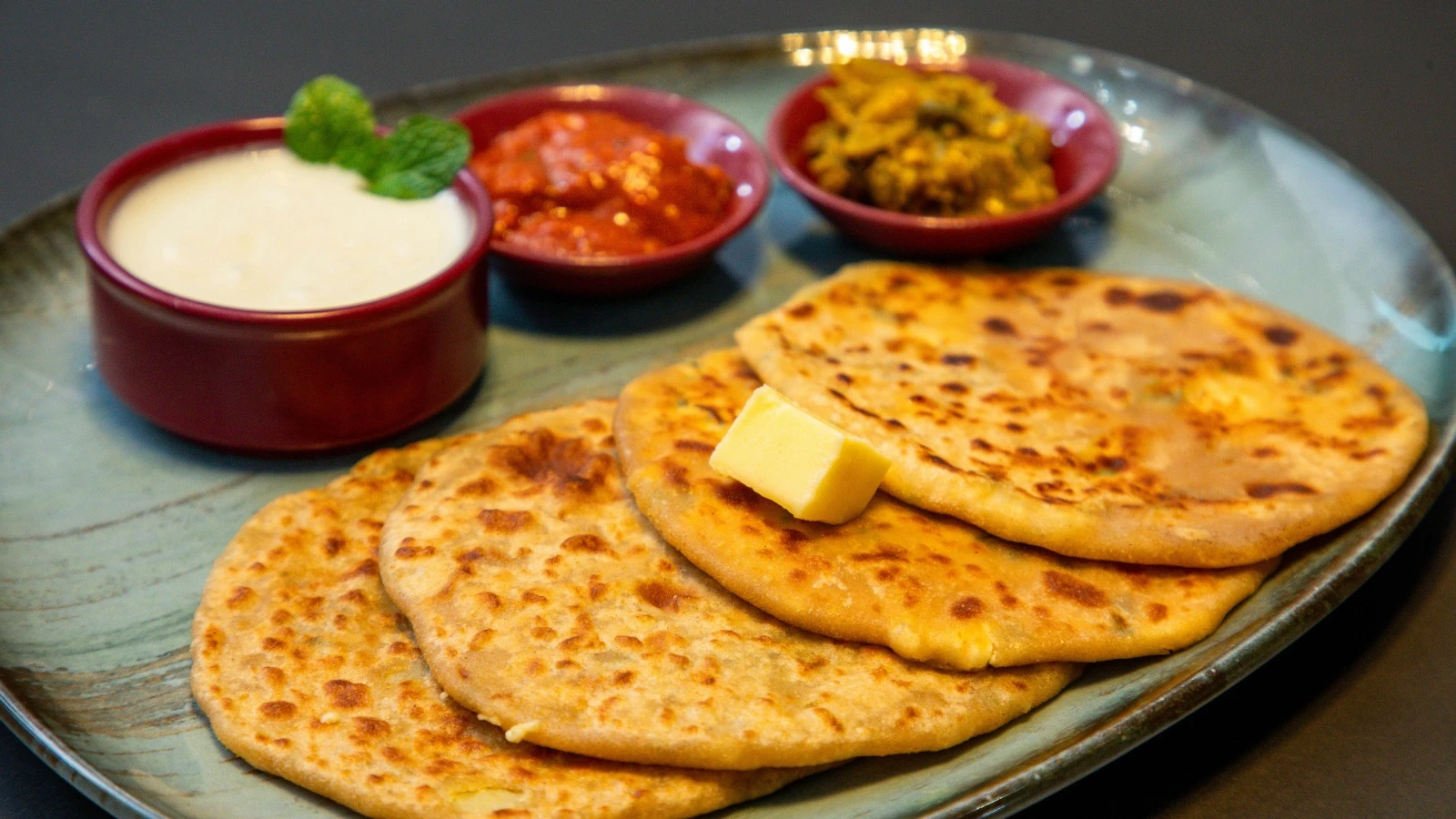
That golden, crispy aloo paratha sitting on your plate might be comfort food perfection, but how many calories are you actually consuming? If you're someone who values both flavor and fitness, understanding the caloric impact of this beloved Indian staple is crucial. From homemade versions to restaurant indulgences, the calorie count can vary dramatically. Let's break down everything you need to know about calories in 1 aloo paratha, so you can make informed choices without sacrificing the foods you love.
The calories in 1 aloo paratha range significantly based on preparation method, size, and cooking fat used. Understanding this variation helps you make better dietary choices while still enjoying this classic comfort food.
A typical homemade aloo paratha contains 150-200 calories when prepared with minimal oil. However, restaurant versions can pack 300-400+ calories due to generous amounts of ghee or butter. The size matters too - a small 40g paratha contains around 125 calories, while a large 100g version can reach 250 calories before adding cooking fat.
Your cooking technique dramatically impacts the final calorie count. Oil-free preparation using a non-stick pan keeps calories between 120-180. Adding minimal oil (1 teaspoon) brings the count to 150-200 calories. Traditional ghee-laden versions jump to 250-350 calories, while deep-fried restaurant-style parathas can exceed 400 calories per piece.
Beyond calories, aloo paratha nutrition offers a complex mix of macronutrients that can fit into a balanced diet when consumed mindfully. The potato-wheat combination provides sustained energy along with essential nutrients.
A medium aloo paratha delivers approximately 25-35g carbohydrates, primarily from wheat flour and potato starch. Fat content varies from 5-15g depending on cooking method. Protein ranges from 4-6g, contributed by wheat gluten and small amounts from potatoes. The fibre content of 3-5g supports digestive health and satiety.
Potatoes contribute significant vitamin C and potassium, while wheat flour adds B-complex vitamins, particularly thiamine and niacin. You'll also get modest amounts of iron, phosphorus, and magnesium. The combination creates a more nutritionally complete meal than simple refined carbohydrates.
Several variables influence the final calorie count of your aloo paratha. Understanding these factors empowers you to control the nutritional impact while maintaining flavor and satisfaction.
The type and quantity of cooking fat creates the biggest calorie variation. One teaspoon of oil adds approximately 40 calories, while ghee contributes 45 calories per teaspoon. Restaurant preparations often use 2-3 teaspoons, instantly adding 120-135 calories. Butter falls between oil and ghee at 35 calories per teaspoon.
Paratha size significantly affects total calories. A thin, small paratha (40g) contains fewer calories than a thick, large one (100g). The potato filling ratio also matters - more filling means more calories, but also more nutrients and fibre. Dough thickness impacts both calories and cooking fat absorption.
Creating healthier versions doesn't mean sacrificing taste. Smart modifications can reduce calories while maintaining the comfort food appeal that makes aloo paratha so satisfying.
Use a high-quality non-stick pan to minimize oil requirements. Limit cooking fat to 1/2 teaspoon per paratha, spreading it evenly. Increase the potato-to-dough ratio for higher fibre content and better satiety. Choose whole wheat flour over refined flour for added nutrition and slower glucose release.
Boil potatoes without heavy tempering - use minimal spices and avoid oil-based seasonings. Add finely chopped vegetables like spinach, carrots, or bell peppers to boost nutrition without significantly increasing calories. Skip the traditional butter or ghee topping, or use just a small amount for flavor. Practice portion control by making smaller parathas and pairing with protein-rich accompaniments.
Weight management doesn't require eliminating beloved foods entirely. Strategic inclusion of aloo paratha can work within a calorie-controlled diet when approached thoughtfully.
One moderately-sized aloo paratha (200 calories) can fit into most weight loss plans when balanced with other meals. The fibre content promotes satiety, potentially reducing overall daily calorie intake. Consuming it at breakfast provides sustained energy for morning activities. The key lies in accounting for these calories within your daily budget.
For those maintaining active lifestyles, aloo paratha offers excellent complex carbohydrates for sustained energy release. The carb-protein combination supports post-workout recovery when consumed within the appropriate window. Pairing with yogurt or a protein source creates a more balanced meal profile that supports fitness goals.
Understanding how aloo paratha fits within the broader spectrum of Indian bread calories helps contextualize its place in your diet. Comparisons reveal whether it's a reasonable choice among traditional options.
A plain roti contains approximately 70-80 calories, making aloo paratha roughly 2-3 times more caloric. Restaurant naan can contain 300-400 calories, similar to heavily buttered parathas. Other stuffed parathas like gobi (cauliflower) or paneer versions typically range from 200-350 calories depending on filling and preparation method.
Aloo paratha with plain yogurt totals approximately 250-300 calories for a satisfying meal. Adding pickle contributes minimal calories (10-15), while a pat of butter adds another 35-50 calories. A complete Indian breakfast including paratha, yogurt, and vegetables typically ranges from 350-450 calories.
Two medium aloo parathas contain approximately 300-400 calories when prepared with minimal oil, or 600-800 calories for restaurant-style versions with generous ghee. This represents a substantial portion of daily caloric needs for most individuals.
Yes, homemade aloo paratha calories are typically 40-50% lower than restaurant versions. You control oil quantity, salt content, and can use whole wheat flour. Restaurant preparations often use excessive ghee and refined flour, significantly increasing calories and reducing nutritional value.
Daily consumption isn't recommended due to high calorie density and limited nutritional diversity. 2-3 times per week allows you to enjoy this comfort food while maintaining dietary balance. Focus on portion control and pair with protein-rich foods when consumed.
Breakfast is optimal for aloo paratha consumption during weight management. Morning consumption allows time to burn the calories throughout the day. Avoid evening consumption as the high carbohydrate content may interfere with weight loss goals.
Use herbs and spices liberally instead of oil for flavor. Try cooking spray instead of oil, add vegetables to the filling for bulk without calories, and use a smaller portion size paired with protein-rich accompaniments like Greek yogurt.
Reheating doesn't significantly alter calorie content, but the method matters. Microwave reheating maintains original calories, while re-frying adds additional fat calories. Steam reheating or dry pan warming preserves the original nutritional profile.
Understanding calories in 1 aloo paratha empowers you to make informed dietary choices without completely eliminating beloved foods. The 150-400 calorie range depends heavily on preparation method, with homemade versions offering significantly better control over nutritional content. Smart modifications like minimal oil usage, whole wheat flour, and vegetable additions can create satisfying versions that align with health goals. Remember, sustainable nutrition isn't about perfection - it's about making conscious choices that support your long-term wellbeing while preserving the joy of eating foods you love.


Someone sent you
Error
Powered by ReferRush