










4 Roti Calories: Complete Nutrition Guide Revealed

Get personalised recommendations with our assessment.
Personalised Health Diagnosis (PHD)
Ever wondered why your meal planning feels off despite counting every grain of rice? Here's the plot twist: those 4 rotis on your plate pack anywhere from 280 to 600 calories. That's not a typo—it's the reality of portion sizes and preparation methods that most people completely overlook. Understanding 4 roti calories isn't just about numbers on a nutrition label. It's about making informed choices that align with your health goals without falling into the trap of restrictive eating or nutritional guesswork.
The calorie content in 4 rotis varies dramatically based on size, flour type, and cooking method. This isn't about being obsessive—it's about understanding what you're actually consuming.
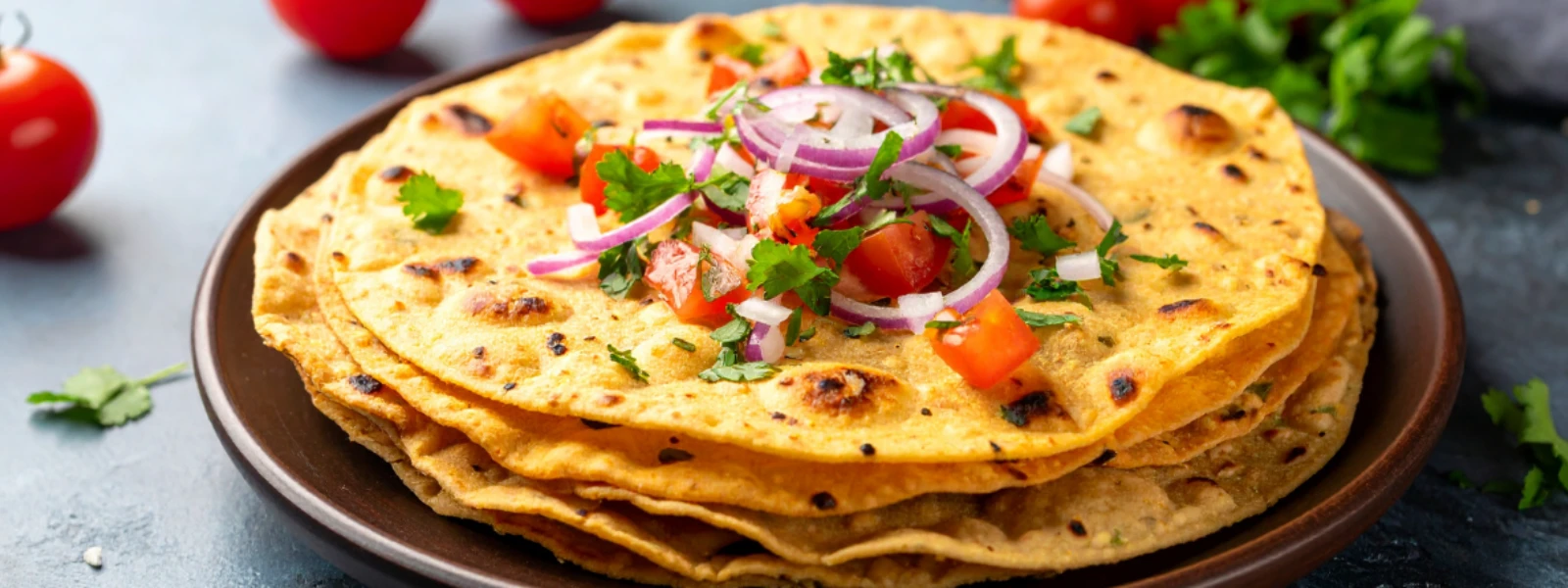
Small rotis (20-25g each) deliver 200-280 total calories for 4 pieces. These are typically what you'd find in restaurants or when rolled thin at home. Medium rotis (30-40g each) bump up the count to 300-450 total calories—the standard home-cooked size most families prepare. Large rotis (50g+ each) can pack 500-600 total calories, often seen in dhabas or when using generous amounts of dough.
Plain rotis give you the base calorie calculation, but here's where things get interesting. 4 roti calories with ghee add an extra 160-200 calories—that's nearly doubling your intake. Oil-brushed rotis fall somewhere in the middle, adding 80-120 calories depending on the amount used. Dry roasted rotis keep calories minimal while still delivering that satisfying texture and taste.
Let's move past the calorie obsession and dive into what 4 rotis actually bring to your nutritional table. A standard 160g serving (4 medium rotis) delivers approximately 480 calories on average.
Roti carbs make up the majority at 116g of carbohydrates—primarily complex carbs that provide sustained energy. Roti protein contributes 12g, which is decent but not complete on its own. Fat content ranges from 2-8g depending on preparation method, with plain rotis staying on the lower end.
Whole wheat rotis pack B-vitamins, particularly thiamine and niacin, essential for energy metabolism. Iron and magnesium content supports oxygen transport and muscle function respectively. Dietary fibre ranges from 8-12g per 4 rotis, promoting digestive health and satiety. The roti glycemic index sits around 62-72, making it a moderate glycemic food that won't spike blood sugar as aggressively as refined grains.
Rotis rarely exist in isolation—they're part of complete meals that transform their nutritional impact. Understanding these combinations helps you make smarter choices without sacrificing satisfaction.
4 roti calories with sabji typically total 600-800 calories for a complete meal. The vegetable curry adds vitamins, minerals, and additional fibre while keeping the meal balanced. This combination provides protein complementation when paired with legume-based dishes, creating a more complete amino acid profile.
Incorporating 4 rotis into breakfast, lunch, or dinner requires strategic thinking. Balancing with dal adds protein and creates a complete amino acid profile. Adding vegetables increases micronutrient density without significantly impacting calories. Portion control becomes crucial for different dietary goals—weight loss, maintenance, or muscle building all require different approaches.
The question isn't whether rotis are good or bad—it's about making them work for your specific goals. Smart modifications can transform this staple into a weight management ally.
Multi-grain and millet flour alternatives reduce the glycemic impact while adding diverse nutrients. Weight loss roti strategies include using smaller portions, adding fibre-rich flours, or incorporating protein-rich alternatives like besan. Portion size adjustments matter more than complete elimination—reducing from 4 to 2-3 rotis can create a meaningful calorie deficit without feeling deprived.
Roti benefits extend beyond basic nutrition. Complex carbohydrates provide sustained energy without the crash associated with simple sugars. Fibre content supports digestive health and promotes satiety, helping with natural portion control. Blood sugar management becomes easier with whole wheat varieties compared to refined alternatives.
Not all Indian breads are created equal. Understanding these differences helps you make informed choices based on your nutritional needs and preferences.
Calories in chapati remain significantly lower than naan (300+ calories each), paratha (250-400 calories each), or bhatura (400+ calories each). Chapati nutrition offers better fibre content and fewer added fats compared to these alternatives. The cost-effectiveness and accessibility of rotis make them a practical choice for daily consumption.
Indian bread calories vary dramatically: rotis (70-120 each), naan (300-400 each), paratha (250-400 each), and bhatura (400-500 each). Choose rotis when you want sustained energy without excessive calories. Opt for alternatives occasionally when you want indulgence or specific flavors.
Theory means nothing without practical application. Here's how to integrate 4 rotis into different calorie budgets without compromising your goals.
In a 1200-calorie diet, 4 rotis consume 25-40% of your daily budget—plan accordingly with lighter accompaniments. For 1500-calorie diets, they fit comfortably with room for protein and vegetables. In 2000-calorie diets, 4 rotis leave ample space for diverse food groups and occasional indulgences.
Diabetes management benefits from pairing rotis with protein and fiber to moderate blood sugar response. Athletic performance can leverage the sustained energy from complex carbohydrates. Children's nutritional requirements often align well with roti-based meals when combined with diverse accompaniments.
One-quarter of a medium roti contains approximately 25-35 calories, making it a reasonable snack option when paired with protein or healthy fats.
4 rotis provide about 12g protein, which covers roughly 20-25% of daily protein needs for an average adult. Combine with dal, vegetables, or our plant-based proteins for complete nutrition.
Lunch or dinner work best for 4 rotis, as the complex carbohydrates provide sustained energy for afternoon activities or help with recovery and satiety in the evening.
Storing rotis properly maintains most nutrients, though texture may change. Reheating doesn't significantly impact calorie content but may slightly reduce some water-soluble vitamins.
Millet, rice flour, or chickpea flour rotis offer similar calorie ranges while accommodating gluten sensitivity. Each brings unique nutritional benefits and flavor profiles.
Understanding 4 roti calories empowers you to make informed dietary choices without falling into restriction or confusion. The 280-600 calorie range depends entirely on size and preparation—knowledge that transforms meal planning from guesswork into strategy. Remember, rotis aren't just calories—they're complex carbohydrates, fiber, protein, and essential nutrients that support sustained energy and digestive health. The key lies in portion awareness, smart combinations, and understanding how they fit into your overall nutritional goals. Whether you're managing weight, building muscle, or simply maintaining health, 4 rotis can absolutely fit into a balanced approach when consumed mindfully.

