










Idli Calories: A Complete Guide

Get personalised recommendations with our assessment.
Personalised Health Diagnosis (PHD)
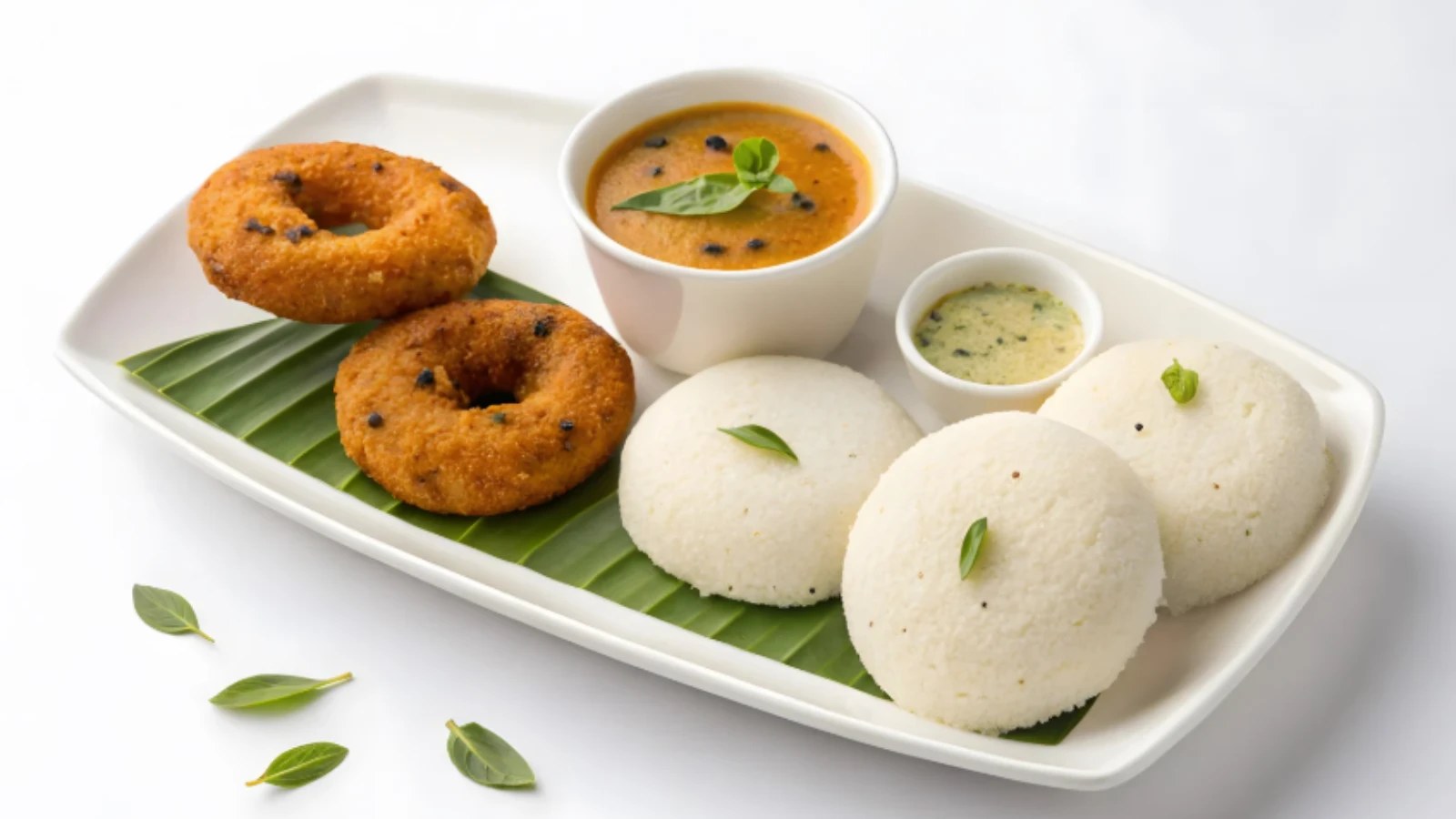
South Indian cuisine has gifted the world with countless treasures, but few are as beloved and nutritionally sound as the humble idli. These fluffy, steamed rice cakes have become a breakfast staple for millions, and for good reason. If you're counting calories or simply curious about what goes into your morning meal, understanding the nutritional profile of 3 idlis can help you make informed dietary choices. Let's dive deep into the calorie content, nutritional breakdown, and health benefits of this fermented wonder that's been nourishing families for generations.
The quick answer: 3 medium steamed idlis contain approximately 120-150 calories. This makes them an excellent choice for anyone looking to maintain a balanced diet without sacrificing taste or satisfaction. The exact calorie count depends on several factors including size, preparation method, and ingredients used. Most commercially available or homemade idlis fall into the medium category, weighing around 35-40 grams each. When you consume 3 of these, you're looking at roughly 105-120 grams of food that delivers sustained energy without the caloric overload common in many breakfast options. This calorie range positions idlis as a low calorie Indian food that doesn't compromise on nutritional value.
Not all idlis are created equal. Restaurant-style idlis tend to be larger, while homemade versions can vary significantly. Small idlis (25-30g each) will give you about 105-120 total calories for three pieces, while large restaurant-style idlis (50-60g each) can push the count to 175-220 calories for the same quantity.
Understanding idli calories breakdown helps you plan your meals more effectively. Here's a comprehensive look at different idli varieties and their caloric content: For traditional rice-urad dal idlis, the standard breakdown per 3 pieces is:
• Small idlis (25-30g each): 105-120 total calories
• Medium idlis (35-40g each): 120-150 total calories
• Large idlis (50-60g each): 175-220 total calories
Specialty idlis pack different nutritional punches. Moong dal idlis, for instance, contain approximately 221 calories per 100g, making 3 medium pieces around 160-180 calories. Rava idlis tend to be slightly higher in calories due to the semolina content, while oats idlis offer a fiber boost with comparable calorie counts.
When comparing calories in idli across different varieties, the per-100g breakdown reveals interesting patterns. Traditional idlis clock in at 240-280 calories per 100g, while specialty versions like quinoa or millet idlis can range from 220-300 calories per 100g depending on the grain used.
Most people don't eat idlis plain. The traditional accompaniments significantly impact your total caloric intake:
• 3 idli + sambar: 290-320 calories
• 3 idli + coconut chutney: 280-310 calories
• 3 idli + sambar + chutney: 350-380 calories
This complete calories breakdown shows that even with accompaniments, you're looking at a reasonably low-calorie meal that provides excellent nutritional value.
The idli macros tell a compelling story about why this food has sustained populations for centuries. The macronutrient distribution in 3 medium idlis breaks down to approximately 82% carbohydrates, 15% protein, and 3% fat. This profile makes idlis an excellent source of sustained energy with adequate protein support. Protein content in 3 idlis ranges from 4.5-6 grams, which comes from the combination of rice and urad dal. This creates a complete amino acid profile, making idlis a valuable protein source for vegetarians. The carbohydrate content sits at 18-24 grams per serving, primarily complex carbohydrates that provide steady energy release.
Beyond macronutrients, idlis deliver essential micronutrients including magnesium, selenium, manganese, and pantothenic acid. The fermentation process enhances B-vitamin availability, particularly B12, which is often lacking in vegetarian diets.
The fermentation process that creates idlis' signature texture also generates beneficial probiotics. These support digestive health and may enhance nutrient absorption, making the calories you consume work more efficiently for your body.
Absolutely. Idli weight loss potential stems from several factors that make them an excellent choice for anyone looking to shed pounds sustainably. With only 120-150 calories for 3 pieces, idlis offer high satiety relative to their caloric content. The low-calorie density means you can feel satisfied without consuming excessive calories. The protein content helps maintain muscle mass during weight loss, while the complex carbohydrates provide energy for workouts and daily activities. The fermentation process also aids digestion, potentially improving metabolic efficiency. For optimal weight loss results, consume idlis for breakfast when your metabolism is most active. Pair them with sambar for additional protein and fiber, but go easy on oil-heavy chutneys. The steamed preparation method means zero added fats, unlike many other breakfast options.
When comparing idlis to other popular Indian breakfast options, they consistently emerge as a top choice for healthy breakfast calories. Let's examine how they stack up:
Idli vs Chapati: While 3 medium chapatis contain roughly 240-300 calories, they lack the probiotic benefits of fermentation. Idlis provide better digestibility and lower caloric density.
Idli vs Paratha: A single stuffed paratha can contain 300-400 calories due to oil and filling. Three idlis provide similar satiety with significantly fewer calories.
Idli vs Poha: Poha contains similar calories but lacks the fermentation benefits. Idlis offer superior protein quality and digestive advantages.
The steaming process used for idlis preserves nutrients while avoiding added fats. This cooking method makes steamed idli calories naturally lower than pan-cooked alternatives like dosas or uttapams.
The idli benefits extend far beyond their favorable calorie count. Regular consumption supports multiple aspects of health through various mechanisms.
Digestive Health: The fermentation process creates beneficial bacteria that support gut health. This can improve digestion, reduce bloating, and enhance nutrient absorption. The easily digestible nature makes idlis suitable for people with sensitive stomachs.
Heart Health: With minimal fat content and zero cholesterol, idlis support cardiovascular health. The magnesium content helps regulate blood pressure, while the low sodium levels (when prepared without excess salt) benefit heart function.
Energy Levels: Complex carbohydrates in idlis provide sustained energy release, avoiding the blood sugar spikes associated with refined foods. This steady energy supply supports both physical and mental performance throughout the morning.
Muscle Maintenance: The complete amino acid profile from the rice-lentil combination supports muscle protein synthesis. This is particularly valuable for active individuals or those following plant-based diets.
Yes, 3 idlis are excellent for weight loss. At 120-150 calories with high satiety value, they provide sustained energy while keeping caloric intake controlled. The protein content helps maintain muscle mass during weight loss.
Idlis contain moderate carbohydrate levels (82% of calories), but these are primarily complex carbohydrates that provide sustained energy. The fermentation process also makes these carbs more digestible.
Idlis generally edge out chapatis for weight management due to lower calories, better digestibility, and probiotic benefits from fermentation. However, both can be part of a healthy diet.
Idlis are definitely healthy food. They're steamed (not fried), fermented (providing probiotics), and made from whole grains and lentils. The preparation method and ingredients make them a nutritious choice.
Per 100g, idlis contain approximately 240-280 calories. Three medium idlis (105-120g total) would therefore contain 250-336 calories per 100g equivalent.
Three medium idlis provide 4.5-6 grams of complete protein from the rice-urad dal combination. This protein contains all essential amino acids needed for muscle maintenance and growth.
Three idlis represent an ideal balance of taste, nutrition, and caloric efficiency. At 120-150 calories, they provide substantial satiety while delivering complete proteins, complex carbohydrates, and beneficial probiotics. Whether you're managing weight, seeking sustained energy, or simply enjoying traditional flavors, idlis earn their place as a cornerstone of healthy eating. The fermentation process, steamed preparation, and wholesome ingredients make them a smart choice for anyone prioritizing both health and satisfaction in their daily nutrition.


Someone sent you
Error
Powered by ReferRush