










Chapati Calories: Your Complete Nutrition Guide

Get personalised recommendations with our assessment.
Personalised Health Diagnosis (PHD)
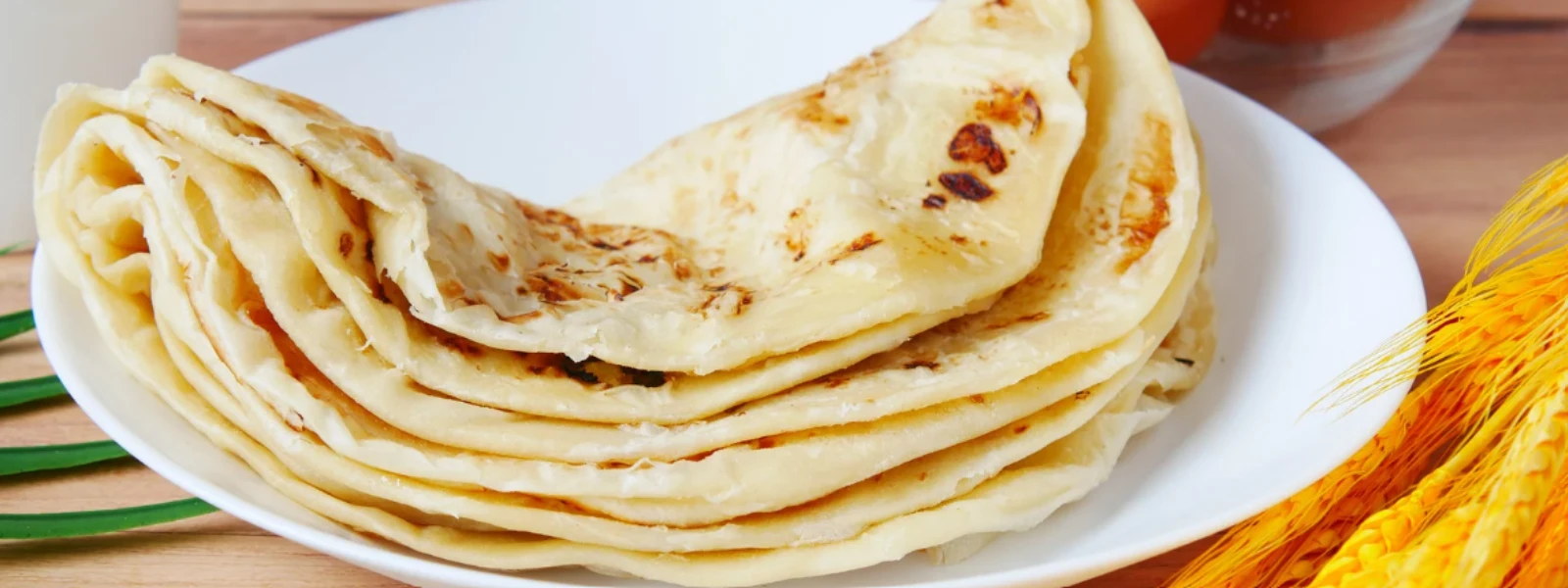
Chapati remains one of India's most beloved staples, but understanding its caloric impact can be tricky. Whether you're tracking your daily intake or planning balanced meals, knowing the exact calories in 3 chapatis helps you make informed nutrition choices. The numbers vary significantly based on size, preparation method, and ingredients used. Let's break down everything you need to know about 3 chapati calories and how this traditional Indian bread fits into your wellness goals.
Three medium chapatis contain approximately 300-360 calories, but this number shifts based on several factors. Size matters significantly when calculating chapati nutrition.
Small chapatis (30g each): 210-240 calories total
Medium chapatis (40g each): 300-360 calories total
Large chapatis (50g each): 390-450 calories total
The preparation method dramatically affects your final calorie count. Dry-roasted chapatis contain the lowest calories, while those brushed with oil or ghee can add 30-50 calories per piece. Three oil-brushed chapatis can reach 450-500 calories total.
Understanding chapati carbs and overall nutrition helps you plan balanced meals effectively. Three medium chapatis provide substantial nutrition beyond just calories.
Calories: 300-360 kcal
Carbohydrates: 50-60g
Protein: 9-10g
Fat: 3-11g (varies by preparation)
Fibre: 6-9g
Iron: 2-3mg
B-vitamins: Thiamine, niacin, folate
Whole wheat chapatis have a moderate glycemic index of 62-72. The fibre content helps slow glucose absorption, making them a better choice than refined bread for blood sugar management. Chapati ingredients like whole wheat flour contribute to this beneficial effect.
Several variables influence the final calorie content of your chapatis. Understanding these helps you make accurate calculations for your daily intake.
Thicker chapatis naturally contain more flour and calories. Restaurant chapatis often weigh 60-80g each, significantly increasing your calories in 1 chapati compared to home-made versions.
Dry-roasting on a tawa provides the lowest calorie option. Adding oil during cooking increases calories by 40-50 per chapati. Ghee application after cooking adds another 35-45 calories per piece.
Whole wheat flour contains slightly more calories than refined flour but offers superior nutrition. Multigrain chapatis may have 10-15% more calories but provide enhanced protein and fiber content.
Many people wonder if weight loss chapati consumption is possible. The answer depends on your total daily calorie needs and how you incorporate them into meals.
For someone needing 1800-2000 calories daily, 3 chapatis represent 15-20% of total intake. This leaves ample room for vegetables, proteins, and healthy fats when planned correctly.
The fibre in chapatis promotes satiety, potentially reducing overall calorie consumption. Three chapatis provide 6-9g fibre, contributing significantly to the recommended 25-35g daily intake.
Consuming chapatis earlier in the day allows better glucose utilization. Pairing them with protein and vegetables creates balanced meals that support weight management goals.
Healthy Indian bread choices extend beyond calorie counting. Chapatis offer several nutritional advantages when prepared and consumed thoughtfully.
Chapatis provide complex carbohydrates for sustained energy release. Unlike simple carbs, they don't cause rapid blood sugar spikes when consumed with balanced meals.
The 6-9g fibre in 3 chapatis supports digestive health and promotes beneficial gut bacteria. This fibre also helps regulate cholesterol levels and supports heart health.
While not a complete protein source, chapatis contribute 9-10g protein per 3 pieces. Combined with legumes or dairy, they create complete amino acid profiles.
Strategic meal planning helps you enjoy calories in Indian bread while maintaining your health objectives. Smart pairing and timing make all the difference.
Fill half your plate with vegetables, one quarter with chapatis, and one quarter with protein sources. This ratio optimizes nutrition while controlling calorie density.
Chapatis provide excellent pre-workout fuel when consumed 1-2 hours before exercise. Post-workout, they help replenish glycogen stores when paired with protein.
Pair chapatis with dal, vegetables, or lean proteins rather than high-calorie curries. This strategy maximizes nutrition while managing total calorie intake effectively.
Yes, chapatis can support weight loss when consumed in appropriate portions. Three medium chapatis provide 300-360 calories with beneficial fibre and protein. The key lies in balanced meal planning and avoiding excessive oil or ghee during preparation.
Eating 15 chapatis daily would provide 1500-1800 calories from bread alone, leaving little room for essential nutrients from other food groups. This approach lacks nutritional balance and isn't recommended for optimal health.
Three rotis fit well into most balanced diets. They provide 15-20% of daily calories for average adults while contributing fibre, protein, and B-vitamins. Pair them with vegetables and proteins for complete nutrition.
Three wheat chapatis contain approximately 9-10g protein. While this contributes to daily protein needs, it should be supplemented with other protein sources like legumes, dairy, or lean meats for optimal intake.
Plain chapatis contain 300-360 calories for three pieces. Adding oil during cooking increases this to 420-480 calories. Ghee application can push the total to 450-500 calories, representing a 25-40% increase.
Consume chapatis during breakfast or lunch when your metabolism is most active. Avoid them late at night when insulin sensitivity decreases and carbohydrate utilization becomes less efficient.
Understanding 3 chapati calories empowers you to make informed dietary choices. These traditional Indian breads offer valuable nutrition when consumed mindfully. The 300-360 calories in three medium chapatis can fit into most healthy eating plans when balanced with vegetables, proteins, and healthy fats. Focus on preparation methods, portion sizes, and meal timing to maximize chapati benefits while supporting your wellness goals. Remember that sustainable nutrition comes from balance, not restriction.

