










Idli Calories: Your Complete Nutrition Guide

Get personalised recommendations with our assessment.
Personalised Health Diagnosis (PHD)
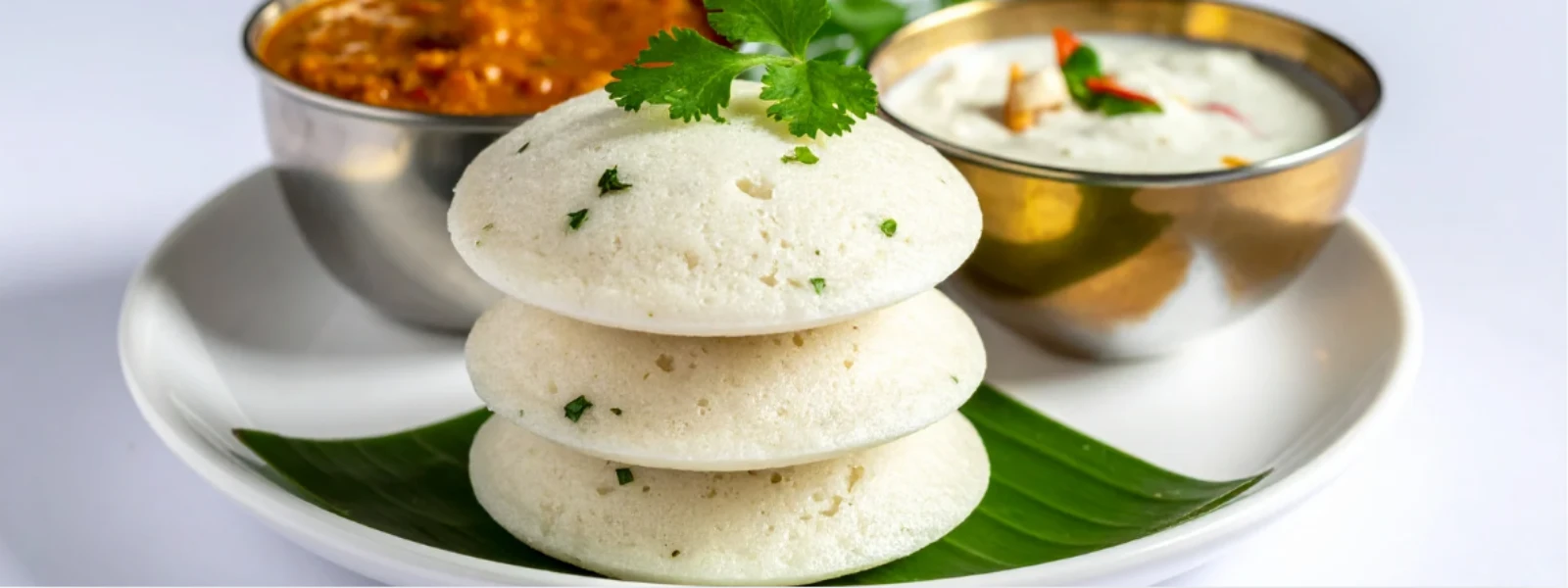
South Indian breakfasts have taken the world by storm, and idlis sit right at the heart of this revolution. These fluffy, steamed rice cakes aren't just delicious—they're nutritional powerhouses that challenge everything we thought we knew about healthy morning meals. But here's the question everyone's asking: exactly how many calories are packed into those two perfect, pillowy idlis on your plate? Whether you're tracking macros, planning weight loss, or simply curious about what fuels your morning, understanding 2 idli calories is your first step toward smarter breakfast choices. Let's dive deep into the numbers that matter and discover why this humble South Indian staple might just be the breakfast game-changer you've been searching for.
Here's the straight answer: 2 medium idlis contain approximately 116-122 calories. This calculation is based on standard-sized idlis weighing about 40-50 grams each, totaling 80-100 grams for your breakfast portion. But size matters more than you'd think. Small idlis (30-35g each) clock in at around 90-100 calories for two pieces, while larger restaurant-style idlis can push that number up to 140-150 calories. The beauty lies in the consistency—regardless of size, you're looking at roughly 1.4-1.5 calories per gram of idli.
Two medium idlis deliver a balanced macro profile that puts most breakfast options to shame:
• Protein: 6 grams (complete amino acid profile thanks to fermentation)
• Carbohydrates: 28-30 grams (complex carbs for sustained energy)
• Fat: Less than 1 gram (virtually fat-free)
• Fibre: 2-3 grams (aids digestion and satiety)
Not all idlis are created equal. Rava idlis (made with semolina) contain slightly more calories—around 130-135 for two pieces—due to added ingredients like cashews and curry leaves. Traditional rice-urad dal idlis remain your lowest-calorie option while delivering maximum nutritional bang for your buck.
The magic of idli nutrition goes far beyond simple calorie counting. These steamed delights are fermented foods, which means they're packed with benefits that processed breakfast options simply can't match. Fermentation transforms the basic rice-lentil combination into a nutritional powerhouse. The process breaks down complex proteins into easily digestible amino acids, increases B-vitamin content, and creates beneficial probiotics that support gut health. This is why our ancestors got it right long before modern nutrition science caught up.
Per 2 medium idlis (100g total):
• Calories: 116-122
• Protein: 6g (24% of calories)
• Carbohydrates: 28-30g (72% of calories)
• Fat: 0.8g (4% of calories)
• Dietary Fibre: 2-3g
• Sugar: Less than 1g (naturally occurring)
The fermentation process enriches idlis with essential micronutrients:
• Magnesium: 45-50mg (supports muscle function and energy metabolism)
• Selenium: 12-15mcg (powerful antioxidant properties)
• B-vitamins: Enhanced B1, B2, and B12 from fermentation
• Iron: 1.2-1.5mg (improved bioavailability through fermentation)
Idlis score a moderate 60-65 on the glycemic index, making them diabetes-friendly when consumed in appropriate portions. The fermentation process and protein content help slow glucose absorption, preventing those dreaded blood sugar spikes that plague many breakfast choices.
Let's be real—nobody eats idlis plain. The magic happens when you pair them with traditional accompaniments, and understanding these combinations is crucial for accurate calorie tracking. Sambar, that tangy lentil curry, adds approximately 140-150 calories per serving (about 150ml). This brings your total to around 259 calories for 2 idlis with sambar—still incredibly reasonable for a complete, satisfying breakfast.
2 Idlis + Sambar + Coconut Chutney:
• Total calories: 350-400 • Protein: 12-14g
• Complete amino acid profile achieved
• Healthy fats from coconut 2 Idlis + Mint Chutney:
• Total calories: 200-220
• Lower calorie alternative
• Fresh herbs add antioxidants
• Perfect for weight management
The key to maximizing nutrition while controlling calories lies in thoughtful pairing. Sambar provides additional protein and fibre from lentils, while chutneys contribute healthy fats and flavor compounds. This combination creates a complete meal that satisfies hunger for hours.
Here's where idlis truly shine in the weight loss conversation. At just 116-122 calories for two pieces, they offer exceptional satiety per calorie—a crucial factor often overlooked in weight management discussions. The protein content (6g per 2 idlis) triggers satiety hormones, while the complex carbohydrates provide sustained energy without the crash associated with refined breakfast options. This combination keeps you fuller longer, naturally reducing overall calorie intake throughout the day.
Research shows that protein-rich, low-calorie-density foods like idlis score high on the satiety index. The fermentation process creates additional compounds that enhance feelings of fullness, making it easier to stick to portion control without feeling deprived.
For weight loss goals:
• 2 idlis: Perfect for moderate calorie restriction (116-122 calories)
• 3 idlis: Suitable for maintenance or light activity days (174-183 calories)
• 4 idlis: Ideal for high-activity individuals (232-244 calories)
Consuming idlis in the morning leverages your body's natural insulin sensitivity, ensuring efficient carbohydrate utilization. This timing strategy aligns perfectly with circadian rhythm nutrition principles that we advocate for optimal metabolic health.
When it comes to healthy breakfast choices, idlis consistently outperform popular alternatives in the nutrition-to-calorie ratio game. Let's examine how they stack up against common breakfast options. Two idlis with sambar (259 calories) deliver more protein and fibre than most cereal-milk combinations while containing significantly less sugar and processed ingredients. Compared to a typical paratha breakfast (400-500 calories), idlis provide similar satiety with nearly half the calories and a fraction of the fat.
Idli vs Dosa:
• Idlis: 116-122 calories (2 pieces)
• Plain dosa: 150-180 calories (1 medium)
• Winner: Idlis for weight management, dosas for variety
Idli vs Western Breakfast:
• 2 idlis + sambar: 259 calories, 12g protein
• Cereal + milk: 300-400 calories, 8-10g protein
• Toast + butter + jam: 350-450 calories, 6-8g protein
Among South Indian breakfast calories, idlis consistently rank as the most weight-friendly option:
1. Idli: 58-61 calories per piece
2. Upma: 180-220 calories per serving
3. Dosa: 150-180 calories per piece
4. Vada: 150-200 calories per piece
5. Paratha: 200-250 calories per piece
Even though steamed idli calories are naturally low, there's always room for optimization. Smart modifications can enhance nutritional value without significantly impacting taste or tradition. Homemade idlis give you complete control over ingredients and portion sizes. Restaurant versions often use more oil in the batter or cooking process, potentially adding 20-30 extra calories per idli. When you make them at home, you ensure pure, unadulterated nutrition.
Boosting nutrition without compromising authenticity:
• Add vegetables: Grated carrots, spinach, or beetroot increase fibre and micronutrients
• Brown rice substitution: Replace 25% of white rice with brown rice for added fibre
• Quinoa addition: Mix 10-15% quinoa for complete protein enhancement
• Oats inclusion: Add ground oats for beta-glucan fibre benefits
Steaming remains the gold standard for idli preparation, preserving maximum nutrients while keeping calories minimal. Avoid oil-based cooking methods that can double the calorie content unnecessarily.
Visual cues for perfect portions:
• One idli should fit comfortably in your palm
• Two idlis should equal roughly one cupped handful
• Accompaniments should not exceed the volume of the idlis themselves
Absolutely! At just 58-61 calories per piece, idlis are excellent for weight loss. Their high protein content and complex carbohydrates provide sustained energy while keeping you full. For optimal results, stick to 2-3 idlis with sambar and avoid high-calorie chutneys.
Two medium idlis contain 116-122 calories. This can vary slightly based on size and preparation method. With sambar, the total increases to approximately 259 calories, still making it a low-calorie, nutritious breakfast option.
Yes, idlis are significantly healthier than plain rice. The fermentation process increases protein bioavailability, adds probiotics, and enhances B-vitamin content. Plus, the protein from urad dal makes idlis a complete protein source, unlike plain rice.
For weight loss: 2-3 idlis. For maintenance: 3-4 idlis. For muscle gain or high activity: 4-5 idlis. Always pair with protein-rich sambar to maximize satiety and nutritional value.
Yes, idlis have a moderate glycemic index (60-65) and the fermentation process helps slow glucose absorption. The protein content further helps stabilize blood sugar levels. However, portion control remains important.
Daily idli consumption is perfectly healthy and can be part of a balanced diet. The fermented nature provides probiotics for gut health, while the balanced macronutrient profile supports sustained energy. Just ensure variety in your overall diet.
Understanding 2 idli calories opens the door to smarter breakfast choices that align with your health goals. At 116-122 calories for two pieces, idlis deliver exceptional nutritional value while supporting weight management, blood sugar stability, and digestive health. The fermentation process sets idlis apart from processed breakfast options, creating a food that's both traditional and scientifically sound. Whether you're tracking calories for weight loss or simply seeking sustained morning energy, idlis prove that healthy eating doesn't require sacrificing taste or cultural connection.
Remember, the magic lies not just in the calories, but in the complete nutritional package. The protein, probiotics, and complex carbohydrates work synergistically to fuel your body optimally.

