










Rice Calories: Complete Nutrition Guide

Get personalised recommendations with our assessment.
Personalised Health Diagnosis (PHD)
Rice sits at the heart of countless meals worldwide, yet most people remain clueless about its actual caloric impact. Here's a reality check: 100 grams of cooked rice delivers roughly 130 calories, while the same amount uncooked packs a hefty 365 calories. This massive difference isn't just trivia—it's the key to smart meal planning and hitting your nutrition goals without the guesswork. Whether you're tracking macros, managing weight, or simply want to understand what's fueling your body, getting rice calories right matters more than you think.
The calorie gap between cooked and uncooked rice isn't magic—it's simple science. When rice absorbs water during cooking, it roughly triples in volume while the calories stay the same. This means 100 grams of uncooked rice becomes about 300 grams when cooked, spreading those calories across a much larger portion.
Different rice varieties pack varying caloric punches even after cooking. White rice typically contains 130-150 calories per 100g cooked, making it the most calorie-dense option. Brown rice comes in slightly lower at 111-112 calories, thanks to its higher fibre content that adds bulk without extra calories. Basmati rice sits comfortably at 121 calories, while jasmine rice can reach up to 170 calories per 100g cooked.
Raw rice varieties cluster much closer together calorie-wise. Raw white rice contains 365-370 calories per 100g, while raw brown rice holds steady at around 360 calories. The minimal difference disappears once you factor in cooking methods and water absorption rates.
100 grams of cooked rice equals roughly half a cup or about the size of a tennis ball. This portion fits comfortably in cupped hands and represents a standard serving for most adults. Understanding this visual reference helps with portion control when you're eating out or don't have a scale handy.
Rice delivers more than just calories—it's a complex nutritional package that varies significantly between types. The processing level, grain length, and variety all influence the final nutritional profile you're getting on your plate.
100 grams of cooked white rice provides approximately 130 calories, 28-30 grams of carbohydrates, 2.7-2.9 grams of protein, and just 0.3-0.4 grams of fat. The carbs in rice are primarily starch, offering quick energy but minimal fibre. White rice also contains small amounts of B-vitamins, particularly thiamine and niacin, though processing removes many original nutrients.
Brown rice nutrition facts tell a different story. At 111-112 calories per 100g cooked, it delivers similar energy with enhanced nutritional density. The fiber content jumps to 1.8 grams compared to white rice's 0.4 grams. Brown rice retains its bran layer, preserving B-vitamins, magnesium, phosphorus, and antioxidants that processing strips away.
Basmati rice offers a middle ground with 121 calories per 100g cooked, plus a lower glycemic index than regular white rice. Wild rice, technically a grass seed, provides 101 calories with higher protein content at 4 grams per 100g cooked. These varieties often command premium prices but deliver enhanced nutritional profiles worth considering.
Real-world eating doesn't happen in perfect 100-gram portions. Understanding how rice calories scale across common serving sizes helps you make informed decisions whether you're meal prepping or dining out.
One cup of cooked white rice weighs approximately 195 grams and contains roughly 250-290 calories. A half-cup serving, more appropriate for weight management, delivers 125-145 calories. Restaurant portions often exceed these amounts significantly—that heaping plate of rice might pack 400-500 calories before you add any toppings or sauces.
To reach 500 calories from rice alone, you'd need roughly 380-400 grams of cooked white rice—that's about 2 cups. For 600 calories, you're looking at nearly 2.5 cups of cooked rice. These portions highlight why rice works best as part of balanced meals rather than the main caloric contributor.
Rice's reputation as a carb-heavy food is well-earned, but not all rice carbohydrates behave the same way in your body. The type of rice you choose influences everything from blood sugar response to satiety levels.
100 grams of cooked white rice contains 28-30 grams of carbohydrates, primarily in the form of starch. These are simple carbohydrates that digest quickly, causing rapid blood sugar spikes. Brown rice provides similar carb amounts but includes more complex carbohydrates and fibre, slowing digestion and providing steadier energy release.
Rice protein might surprise you with its completeness. While 100 grams of cooked rice only provides 2.7-3 grams of protein, it contains all essential amino acids. However, it's low in lysine, making it an incomplete protein source. Combining rice with legumes like dal creates a complete amino acid profile—a principle our plant-powered nutrition philosophy embraces.
Rice doesn't exist in a vacuum. Comparing its caloric density and nutritional profile against other grains reveals where it fits in a balanced diet and when alternatives might serve you better.
Quinoa delivers 120 calories per 100g cooked with 4.4 grams of complete protein, making it nutritionally denser than rice. Oats provide 68 calories per 100g cooked with higher fibre content. Barley offers 123 calories with exceptional fibre levels. Rice's advantage lies in its digestibility and neutral flavor that pairs with virtually any cuisine.
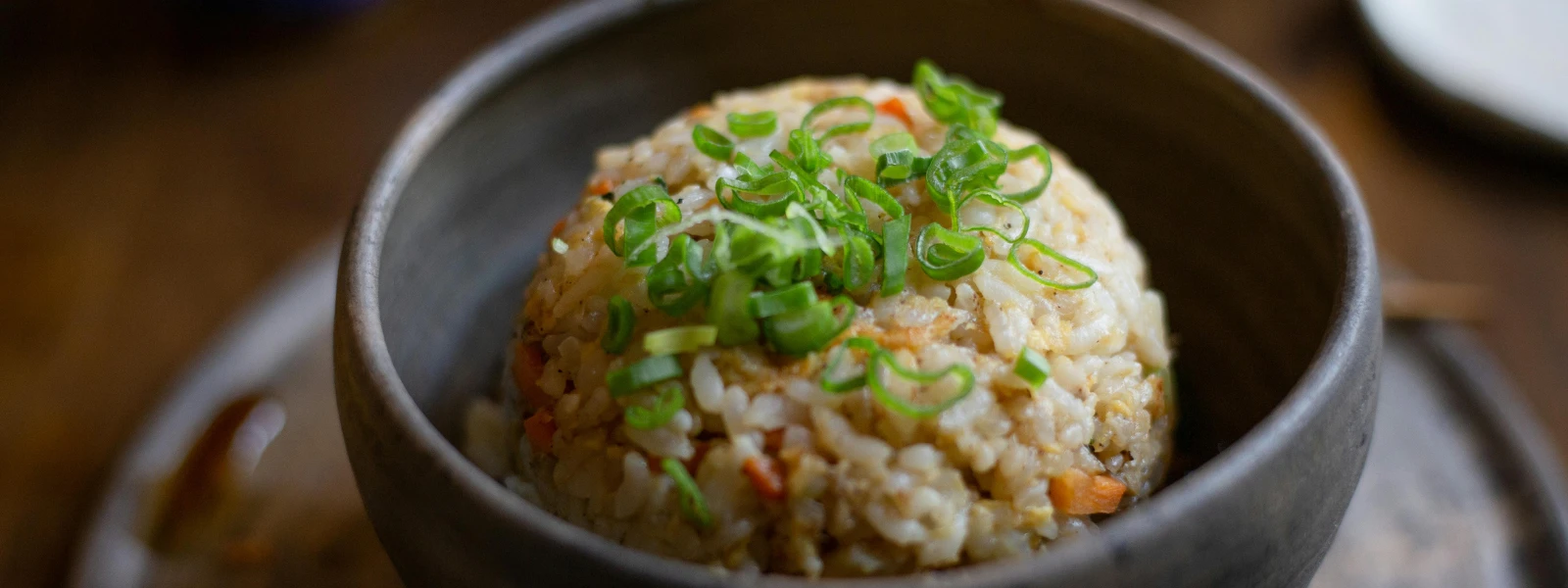
Dal rice, a staple combination, provides approximately 141 calories per 100g serving when prepared with equal parts rice and lentils. This pairing creates nutritional synergy—the rice provides quick energy while dal adds protein and fiber. Fried rice calories can double or triple depending on oil and ingredients used, often reaching 300+ calories per 100g.
Cooked white rice contains 130-150 calories per 100g, while brown rice provides 111-112 calories. The exact amount depends on the variety and cooking method used. Steaming or boiling without added fats keeps calories at their lowest.
You'd need approximately 380-400 grams of cooked white rice to reach 500 calories. That's roughly 2 cups of cooked rice—a substantial portion that would likely exceed most people's single-meal rice needs.
600 calories of cooked white rice equals about 460-480 grams, or roughly 2.5 cups. This amount would fill a large dinner plate when spread out, demonstrating why rice works best as part of mixed meals rather than the sole focus.
A typical dal rice preparation contains approximately 141 calories per 100g serving. This combination provides balanced macronutrients with the rice contributing quick energy and the dal adding protein, fibre, and essential amino acids that complement rice's protein profile.
Cooking method minimally impacts base rice calories, but additions do. Steamed or boiled rice maintains its natural calorie count, while fried rice or pilaf preparations can double calories through added oils, nuts, and other ingredients.
Yes, brown rice consistently provides fewer calories per 100g cooked compared to white rice. The difference stems from brown rice's higher fibre content, which adds bulk without contributing calories, and its lower starch density after processing.
Understanding rice calories empowers smarter nutrition choices without eliminating this versatile grain from your diet. The 130-calorie reality of 100g cooked white rice puts it in perspective—it's a moderate-calorie food that fits well within balanced eating patterns. Brown rice offers slight caloric advantages plus enhanced nutrition, while specialty varieties provide unique benefits worth exploring. Remember that portion control matters more than perfection, and rice shines brightest when paired with protein sources and vegetables that create complete, satisfying meals.

