








Protein in Every 100 Grams of Rice

Get personalised recommendations with our assessment.
Personalised Health Diagnosis (PHD)
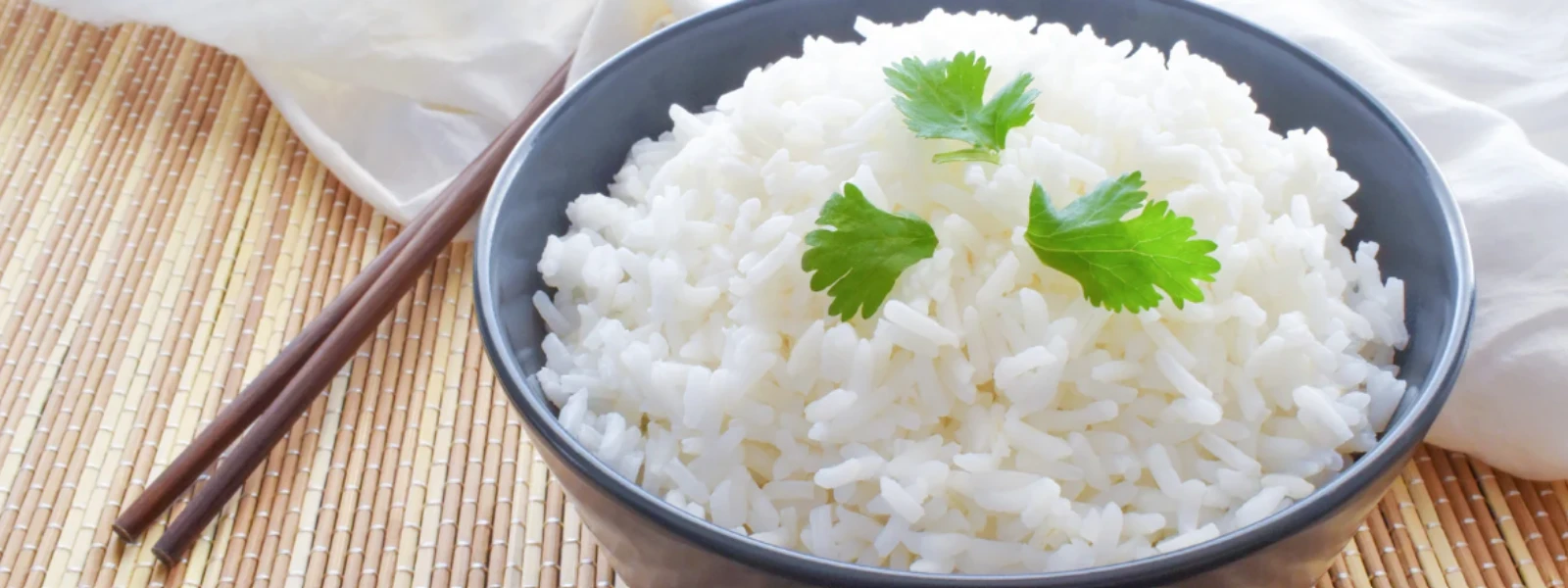
Rice has been unfairly labeled as just another carb, but here's the truth that might surprise you: it's actually a decent source of plant-based protein. The confusion around 100 gm rice protein content stems from whether we're talking about cooked or raw rice. Most people don't realize that cooking dramatically changes the protein concentration due to water absorption. Understanding these numbers isn't just about hitting your macros—it's about making informed choices for your daily nutrition. Whether you're exploring vegan protein options or dealing with food sensitivities, rice offers a hypoallergenic alternative that deserves serious consideration.
The protein content in rice varies significantly depending on whether you measure it cooked or raw. This distinction matters because most nutrition labels and dietary recommendations reference different preparations.
When you cook rice, water absorption dilutes the protein concentration. White rice contains approximately 2.5-3 grams of protein per 100 grams when cooked. Brown rice edges slightly higher at 3-3.5 grams per 100 grams cooked. The cooking process doesn't destroy protein—it simply spreads it across a larger volume due to water uptake.
Uncooked rice packs more protein per gram because there's no water dilution. Raw white rice contains 6-7 grams of protein per 100 grams, while brown rice maintains similar levels with slightly higher density. This explains why rice protein powder can achieve much higher concentrations—it's essentially dehydrated and concentrated rice protein.
Here's the math that matters: 100 grams of raw rice typically yields about 300 grams of cooked rice. So that 6-7 grams of protein gets distributed across triple the weight. This conversion factor is crucial for meal planning and understanding actual protein intake from your rice portions.
Rice isn't just about protein—it's a complex nutritional package that varies between varieties and preparation methods. Understanding the full picture helps you make better dietary decisions.
Cooked rice delivers approximately 130 calories per 100 grams, with 28-31 grams of carbohydrates forming the bulk of its energy content. The fat content remains minimal at 0.3-0.9 grams, making rice an excellent low-fat energy source. Brown rice provides more fibre—about 1.8 grams compared to white rice's 0.4 grams per 100 grams cooked.
Brown rice outperforms white rice in micronutrient content, providing more B vitamins, magnesium, and phosphorus. The bran layer removed in white rice processing contains most of these nutrients. However, many white rice varieties are fortified with iron and B vitamins to compensate for processing losses.
Not all proteins are created equal, and rice protein has some specific characteristics that affect its biological value. Understanding these limitations helps you optimize your protein strategy.
Rice protein is incomplete because it's low in lysine, an essential amino acid your body can't produce. This doesn't make rice protein worthless—it just means you need complementary proteins to fill the gaps. The biological value of rice protein sits around 83, compared to 100 for eggs or 104 for whey protein.
The classic rice and beans combination isn't just cultural tradition—it's nutritional genius. Legumes like lentils, chickpeas, and black beans provide the lysine that rice lacks. You don't need to eat them simultaneously; consuming complementary proteins within the same day allows your body to utilize the full amino acid spectrum effectively.
Rice protein offers unique advantages for people with dietary restrictions or those choosing plant-based nutrition. These benefits extend beyond simple protein content.
Rice provides completely plant-based protein without any animal products, making it suitable for vegans and vegetarians. It's also environmentally sustainable, requiring less water and producing fewer greenhouse gases compared to animal protein sources. The cost-effectiveness of rice protein makes it accessible for budget-conscious individuals seeking quality nutrition.
Rice protein is naturally gluten-free and rarely triggers allergic reactions, making it ideal for people with celiac disease or gluten sensitivity. Unlike soy or dairy proteins, rice protein is gentle on sensitive stomachs and doesn't cause digestive distress for most people. This makes it an excellent option for those who experience bloating or discomfort with other protein sources.
While whole rice provides modest protein amounts, concentrated rice protein supplements offer a different nutritional proposition. Understanding both options helps you choose the right approach for your goals.
Rice protein powder typically provides 15-25 grams of protein per serving through specialized processing that removes carbohydrates and concentrates the protein fraction. This processing enhances bioavailability and creates a more complete amino acid profile than whole rice alone. Our plant-based protein options utilize similar concentration techniques to deliver optimal nutrition.
Organic rice protein from whole grains comes with additional benefits like fiber, B vitamins, and sustained energy release. Whole rice provides context nutrition—protein alongside carbohydrates for balanced energy. This makes it excellent for daily vitality and sustained nutrition rather than targeted protein supplementation.
Maximizing rice protein benefits requires strategic planning and understanding optimal usage patterns. Smart integration can significantly boost your daily protein intake.
A 100-gram serving of cooked rice provides about 3 grams of protein, which contributes roughly 6% of daily protein needs for an average adult. While this seems modest, rice often serves as a base for protein-rich toppings and combinations. Pre-workout rice provides sustained energy, while post-workout rice helps replenish glycogen stores when paired with complete proteins.
Transform rice into a protein powerhouse by adding nuts, seeds, or legumes. A rice bowl with chickpeas, hemp seeds, and vegetables can easily provide 15-20 grams of complete protein. Meal prep strategies that combine rice with rotating protein sources ensure variety while maintaining consistent amino acid profiles throughout the week.
Cooked white rice contains approximately 2.5-3 grams of protein per 100 grams, while brown rice provides 3-3.5 grams. The protein content decreases from raw rice due to water absorption during cooking, which dilutes the protein concentration.
Rice is primarily a carbohydrate source, with carbs making up about 80% of its calories. However, it does contain protein—just in smaller amounts compared to its carbohydrate content. Think of rice as a carb with bonus protein rather than a primary protein source.
Rice protein can contribute to muscle building when combined with other protein sources to create complete amino acid profiles. While rice alone doesn't provide optimal muscle-building nutrition, it works well as part of a varied plant-based protein strategy.
Brown rice generally provides slightly more protein than white rice, along with better micronutrient profiles. Wild rice and black rice varieties often contain even higher protein levels, sometimes reaching 4-6 grams per 100 grams cooked.
Rice protein is lower than legumes (8-15g per 100g cooked) but higher than most vegetables. It's easily digestible and hypoallergenic, making it suitable for people who can't tolerate soy or other common plant proteins.
Choose rice protein powder for targeted protein supplementation and whole rice for balanced nutrition with sustained energy. Many people benefit from both—whole rice for meals and rice protein powder for convenient supplementation when needed.
Rice protein deserves recognition as a valuable plant-based protein source, especially when you understand the numbers correctly. While 100 grams of cooked rice provides modest protein amounts, it offers hypoallergenic, gluten-free nutrition that's gentle on sensitive stomachs. The key lies in strategic combinations and understanding when to use whole rice versus concentrated protein supplements. Whether you're building daily vitality through whole foods or seeking targeted protein supplementation, rice protein can play a meaningful role in your nutrition strategy. Remember that protein quality matters as much as quantity—combine rice with complementary proteins to unlock its full potential.


Someone sent you
Error
Powered by ReferRush