










Roti Calories: Complete Nutrition Guide Revealed

Get personalised recommendations with our assessment.
Personalised Health Diagnosis (PHD)
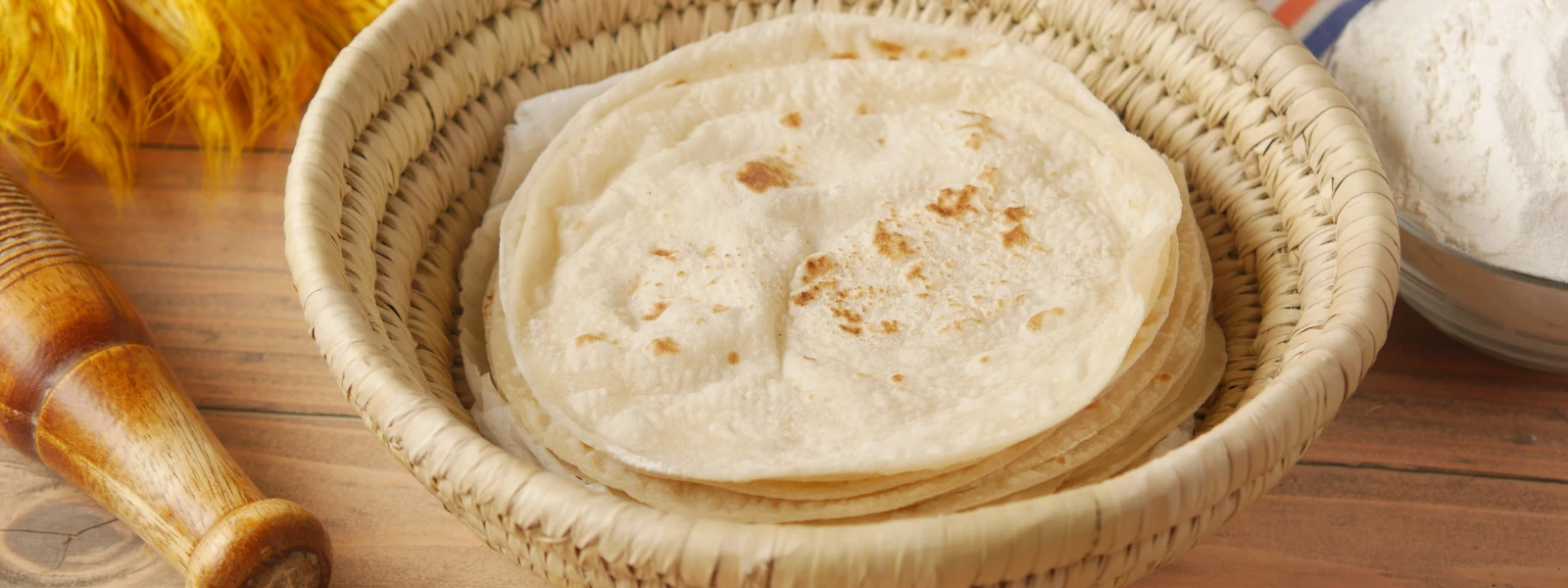
Let's face it—roti is the backbone of Indian meals. Whether you call it chapati, phulka, or simply bread, this humble flatbread graces millions of plates daily. But here's what most people don't know: the calories in 1 roti can vary dramatically based on size, flour type, and preparation method. Understanding these nuances isn't just about counting calories—it's about making informed choices that align with your health goals. From the standard wheat roti to nutrient-dense alternatives like bajra and jowar, each variety brings its own caloric and nutritional profile to your plate.
The answer to "how many calories in 1 roti" isn't straightforward. A typical medium-sized roti contains approximately 100-120 calories, but this number shifts based on several factors. The flour type, thickness, cooking method, and added fats all play crucial roles in determining the final caloric content. Size matters significantly when calculating roti calories. A small 30-gram roti delivers around 70-84 calories, while a restaurant-style thick roti can pack 150 calories or more. This variation explains why portion awareness becomes critical for anyone tracking their daily intake.
Here's the breakdown of whole wheat roti calories based on common serving sizes:
• Small roti (30g): 70-84 calories
• Medium roti (40g): 100-120 calories
• Large roti (50g): 137-150 calories
• Restaurant-style thick roti: 120-150 calories
These numbers represent plain rotis made without added oil or ghee during cooking.
Different flours create distinct nutritional profiles. Chapati calories vary depending on the grain used:
• Whole wheat roti: 70-120 kcal
• Bajra roti: 90-100 kcal
• Jowar roti: 85-95 kcal
• Ragi roti: 75-85 kcal
• Missi/Besan roti: 110-130 kcal
Each alternative flour brings unique benefits beyond just caloric content, from enhanced protein to superior mineral profiles.
Cooking methods dramatically affect the final calorie count. A plain phulka cooked on a dry tawa contains 70-80 calories, but add a teaspoon of ghee, and you're looking at an additional 45 calories. Here's how different preparation styles stack up:
• Plain phulka (no oil): 70-80 calories
• Roti with 1 tsp ghee: +45 calories
• Roti with butter: +40-50 calories
• Tandoor-style roti: 100-130 calories
Beyond calories, roti nutrition encompasses a complex array of macronutrients and micronutrients. A medium-sized whole wheat roti isn't just about energy—it's a source of protein, fibre, and essential minerals that support overall health. The macronutrient distribution in roti makes it a balanced carbohydrate source. Unlike simple carbs that spike blood sugar, the complex carbohydrates in whole wheat roti provide sustained energy release.
Here's the complete nutritional profile of a standard medium roti:
• Calories: 120 kcal
• Protein: 3.14g (10% of calories)
• Carbohydrates: 18.45g (62% of calories)
• Fat: 3.68g (28% of calories)
• Fibre: 2.5-3g
• Iron: 1.2mg
• Calcium: 15mg
This profile shows that roti carbs make up the majority of calories, while roti protein contributes a modest but meaningful amount.
The roti glycemic index ranges from 62-72 for whole wheat varieties, placing it in the medium GI category. This means roti causes a moderate rise in blood sugar compared to high-GI foods like white bread or refined cereals. Multigrain rotis typically have a lower glycemic index (55-65) due to the fibre and protein from various grains. This makes them a better choice for blood sugar management.
Roti provides several B-complex vitamins essential for energy metabolism. The magnesium and phosphorus content supports bone health, while zinc and selenium act as antioxidants. These micronutrients often get overlooked when people focus solely on calories.
When comparing indian bread calories, roti emerges as one of the lighter options. This comparison becomes crucial for anyone trying to manage their caloric intake while enjoying traditional Indian meals. The calorie difference between various Indian breads can be substantial. While a roti contains 100-120 calories, other popular options can pack two to four times that amount.
Here's how chapati calories compare to other beloved Indian breads:
• Naan: 280-350 kcal
• Paratha: 250-400 kcal
• Puri: 85-100 kcal (per piece)
• Bhatura: 400-500 kcal
These numbers highlight why roti remains the go-to choice for health-conscious individuals.
Regional variations bring unique flavors and nutritional profiles:
• Makki ki roti: 95-110 kcal
• Kuttu ka atta roti: 80-90 kcal
• Singhara atta roti: 75-85 kcal
These alternatives often provide superior nutrition despite similar calorie counts.
The question of whether roti supports weight loss depends on portion control, preparation method, and overall dietary context. Healthy roti consumption can absolutely fit into a weight management plan when approached strategically. Roti's fiber content promotes satiety, helping you feel full longer. This natural appetite control mechanism makes it easier to maintain caloric deficits necessary for weight loss.
Several factors make roti weight-loss friendly:
• High fibre content: Promotes satiety and digestive health
• Complex carbohydrates: Provide sustained energy without crashes
• Portion control advantages: Easy to measure and track
• Lower calories: Compared to rice and other grain alternatives
These benefits make roti a smart choice for sustainable weight management.
To maximize weight loss benefits, focus on preparation methods that minimize added calories:
• Choose plain phulka without oil or ghee
• Opt for multigrain and whole wheat varieties
• Stick to small to medium serving sizes
• Time consumption earlier in the day when metabolism is higher
Pairing roti with the right foods amplifies its nutritional value. Combine calories in 1 roti with protein-rich dal, fibre-packed vegetables, and healthy fats for complete nutrition. This approach ensures stable blood sugar and prolonged satiety.
The flour choice dramatically impacts both caloric content and nutritional value. While wheat remains the most common option, alternative flours offer unique advantages that extend far beyond basic calorie counts. Each flour type brings distinct characteristics—from protein content to mineral profiles. Understanding these differences helps you choose the best option for your specific health goals.
Whole wheat flour retains the bran and germ, providing superior nutrition compared to refined alternatives. The fibre content in whole wheat roti slows digestion, leading to better blood sugar control and increased satiety. Refined flour rotis may taste lighter but lack the nutritional density that makes roti a healthy choice. The processing removes most vitamins, minerals, and fiber.
Specialty flours cater to specific dietary needs and preferences:
• Bajra roti benefits: Iron-rich and naturally gluten-free
• Jowar roti advantages: High protein and antioxidant content
• Ragi roti nutrition: Exceptional calcium levels
• Besan roti benefits: Superior protein content from chickpea flour
These alternatives often provide enhanced nutrition despite similar calorie counts.
Multigrain combinations offer the best of multiple worlds. By blending wheat with millets, legume flours, and seeds, you create a nutritional powerhouse that delivers complete amino acid profiles and diverse micronutrients.
Understanding how to burn the calories in 1 roti puts consumption into perspective. A 120-calorie roti requires specific amounts of physical activity to metabolize completely. The time needed to burn roti calories varies based on body weight, intensity, and individual metabolism. These estimates provide general guidelines for activity planning.
Here's how long different activities take to burn off one medium roti:
• Walking: 25-30 minutes
• Cycling: 15-20 minutes
• Swimming: 12-15 minutes
• Yoga: 35-40 minutes
• Household chores: 20-25 minutes
These numbers assume moderate intensity and average body weight.
Individual factors significantly affect calorie burn rates. Age, gender, muscle mass, and fitness level all influence how quickly your body processes the energy from roti. Younger, more muscular individuals typically burn calories faster than older or less active people.
A 60-gram roti contains approximately 175 calories according to USDA nutritional data. This larger size is common in restaurants and when rotis are made thicker than usual.
Yes, roti can support weight loss when consumed in appropriate portions as part of a balanced diet. The fiber content promotes satiety, and the complex carbohydrates provide sustained energy without causing blood sugar spikes.
A chapati with one teaspoon of ghee contains 115-165 calories total—the base roti provides 70-120 calories, while the ghee adds approximately 45 calories.
One roti (120 calories) contains fewer calories than one cup of cooked rice (205 calories). Roti also provides more fiber and protein per calorie, making it generally more nutritious.
Diabetics can include roti in their daily diet, preferably choosing whole wheat or multigrain varieties. The medium glycemic index means blood sugar impact is manageable when consumed with protein and vegetables.
Recommended daily intake varies: 2-3 small rotis for weight loss, 3-4 medium rotis for maintenance, and 4-6 rotis for active individuals. Adjust based on your total caloric needs and activity level.
Roti remains one of the most balanced and practical carbohydrate choices in Indian cuisine. With 100-120 calories per medium serving, it provides sustained energy, essential nutrients, and satisfying fiber. The key lies in choosing whole grain varieties, controlling portion sizes, and pairing with nutrient-dense foods. At Ace Blend, we understand that optimal nutrition goes beyond just counting calories. Our plant-powered protein solutions can perfectly complement your roti-based meals, ensuring you meet your daily protein requirements while maintaining the traditional flavors you love. Whether you're managing weight, building muscle, or simply pursuing better health, understanding roti nutrition empowers you to make informed dietary choices that align with your goals.

