


Poha Calories: Complete Nutrition Guide

Get personalised recommendations with our assessment.
Personalised Health Diagnosis (PHD)
Poha stands as one of India's most beloved breakfast dishes, but understanding its caloric impact remains crucial for anyone pursuing optimal health. This flattened rice preparation offers a perfect balance of convenience, taste, and nutrition that fits seamlessly into modern lifestyles. Whether you're tracking calories for weight management or simply curious about your morning meal's nutritional profile, getting the facts straight about poha calories empowers better dietary choices. The beauty of poha lies not just in its simplicity, but in how easily it adapts to various health goals while delivering sustained energy throughout your morning.
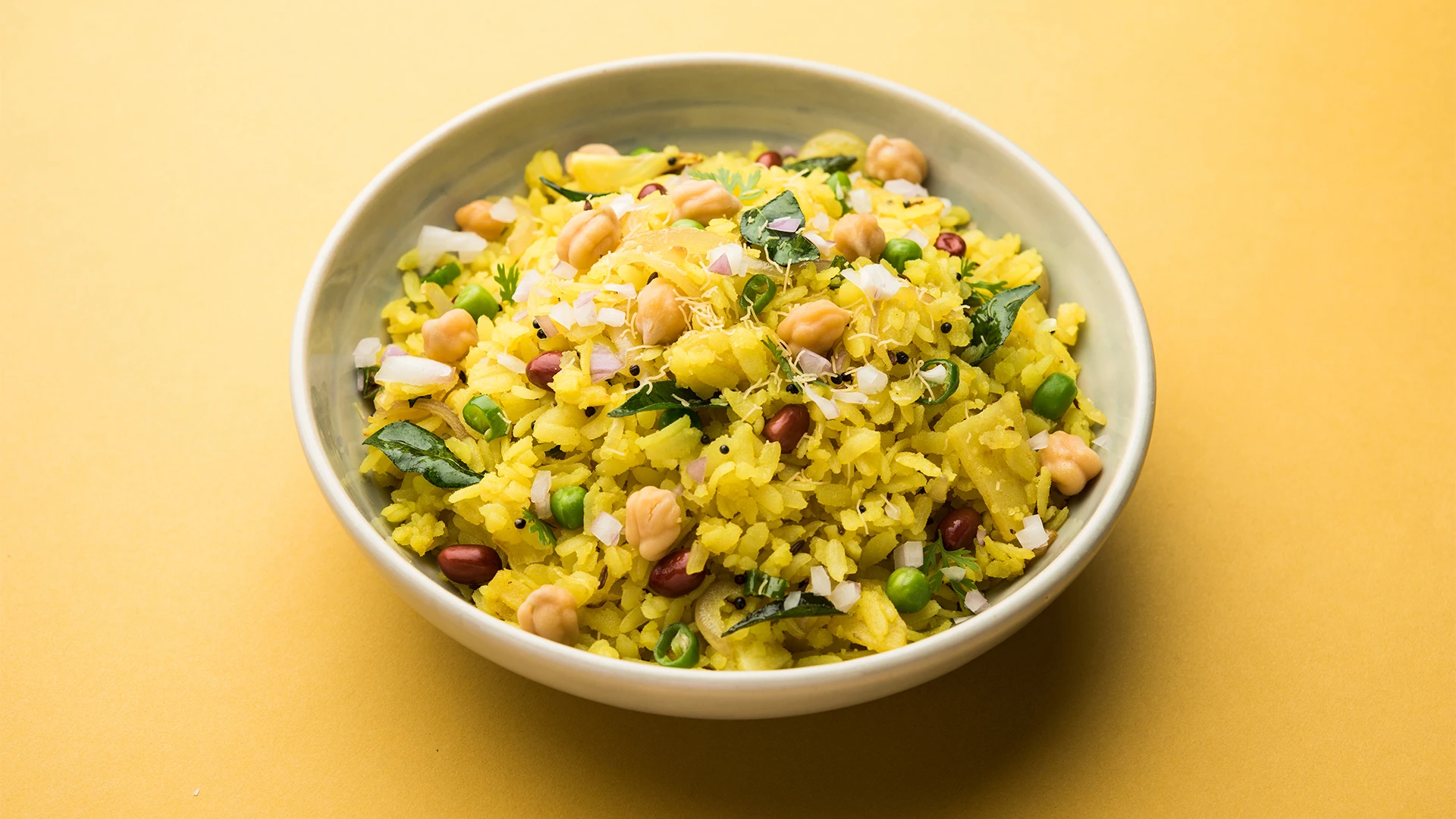
The caloric content of poha varies significantly based on preparation methods, portion sizes, and added ingredients. Understanding these variations helps you make informed decisions about your breakfast choices. A standard home-style plate of poha typically weighs between 100-150 grams when prepared, containing approximately 130-180 calories. This moderate caloric load makes it an excellent choice for those seeking a satisfying yet light breakfast option.
When prepared at home with minimal oil and basic tempering, a typical serving delivers around 150 calories. This calculation assumes the use of one teaspoon of oil, basic spices, and a handful of peanuts for added crunch and nutrition.
Restaurant servings often contain 250-300 grams of prepared poha, pushing the calorie count to 390-420 calories. The generous use of oil and ghee in commercial preparations significantly increases the fat content and overall caloric density.
A small bowl (80-100g) contains roughly 110-130 calories, while a large plate (200g+) can reach 260-300 calories. Understanding these differences helps with accurate portion control and calorie tracking.
Dry poha contains approximately 330 calories per 100 grams. However, during cooking, it absorbs water and expands, reducing the caloric density to about 130-150 calories per 100 grams of prepared dish.
Poha offers a well-rounded nutritional profile that extends far beyond its caloric content. This humble grain provides essential macronutrients and micronutrients that support overall health and wellness. A standard plate of poha delivers approximately 27 grams of carbohydrates, 2.6 grams of protein, and 1.5 grams of fat. This macronutrient distribution provides sustained energy release while maintaining digestive comfort.
The carbohydrate content in poha comes primarily from complex starches that digest gradually, preventing sudden blood sugar spikes. The modest protein content, while not substantial, contributes to the meal's satiety factor.
Poha serves as an excellent source of iron, providing approximately 20% of daily requirements per serving. It also contains significant amounts of B-vitamins, particularly thiamine and niacin, which support energy metabolism and nervous system function.
Per 100 grams, prepared poha contains fewer calories than most other Indian breakfast options. This lower caloric density, combined with its fiber content, makes it naturally portion-friendly for weight management.
Compared to parathas or fried breakfast items, poha offers superior nutrition-to-calorie ratios. Its preparation method preserves most nutrients while keeping unhealthy fats to a minimum.
Several factors influence the final caloric content of your poha plate. Understanding these variables empowers you to customize your preparation according to your health goals. The cooking method and ingredient choices significantly impact the nutritional profile. Small modifications in preparation can create substantial differences in caloric content without compromising taste or satisfaction.
Each teaspoon of oil adds approximately 40 calories to your plate. Using cooking spray or minimal oil can reduce this by 60-70%, making a noticeable difference for those tracking calories closely.
Adding 10-15 grams of peanuts increases calories by 55-85 but significantly boosts protein content to 4-5 grams per serving. This trade-off often proves worthwhile for enhanced satiety and nutritional value.
Incorporating vegetables like onions, tomatoes, and green chilies adds minimal calories (5-15) while substantially increasing fibre, vitamins, and minerals. This strategy enhances volume and nutrition without caloric penalty.
Traditional tempering with mustard seeds, curry leaves, and turmeric adds negligible calories (2-5) while providing antioxidants and anti-inflammatory compounds that support overall health.
Poha deserves recognition as a genuinely healthy breakfast option that supports various aspects of wellness. Its nutritional profile and digestibility make it suitable for diverse dietary needs and health goals. The fermentation process involved in creating poha enhances its digestibility and nutrient availability. This processing method breaks down complex compounds, making nutrients more bioavailable for absorption.
Poha's light, easily digestible nature makes it ideal for sensitive stomachs. The prebiotic fibre content supports beneficial gut bacteria, promoting digestive health and immune function.
The iron fortification in commercial poha varieties helps address widespread iron deficiency. Regular consumption can contribute significantly to meeting daily iron requirements, especially important for women and growing children.
Poha's moderate glycemic index prevents rapid blood sugar spikes, making it suitable for diabetics when consumed in appropriate portions. The fibre content further slows glucose absorption.
As a naturally gluten-free grain, poha provides an excellent breakfast alternative for individuals with celiac disease or gluten sensitivity, without compromising on taste or nutrition.
Poha's unique combination of low calories, high satiety, and nutritional density makes it an excellent choice for weight management goals. Its versatility allows for creative preparations that support long-term dietary adherence. The fibre content in poha promotes feelings of fullness while its complex carbohydrates provide sustained energy. This combination helps prevent mid-morning hunger pangs that often lead to unhealthy snacking.
Poha's low caloric density allows for generous portions without excessive calorie intake. The protein and fibre work synergistically to enhance satiety signals, naturally supporting portion control.
For weight loss, aim for 100-120 grams of prepared poha (130-160 calories) combined with plenty of vegetables. This portion provides satisfaction while maintaining a caloric deficit.
Consuming poha as breakfast leverages your body's higher metabolic rate in the morning. The steady energy release supports active mornings without energy crashes.
Use cooking spray instead of oil, increase vegetable content, and add herbs for flavor without calories. These simple swaps can reduce total calories by 30-40% while enhancing nutritional value.
Creating the perfect healthy poha requires balancing flavor, nutrition, and caloric content. Smart ingredient choices and cooking techniques can maximize health benefits while maintaining authentic taste. Our approach focuses on enhancing nutritional density while keeping calories controlled. Strategic additions and modifications transform basic poha into a powerhouse breakfast that supports your wellness goals.
Use non-stick cookware with minimal oil spray to achieve the same flavor profile with 60% fewer calories from fat. This technique maintains texture while significantly reducing overall caloric content.
Incorporate colorful vegetables like bell peppers, carrots, and peas to boost fibre, vitamins, and antioxidants. These additions increase volume and nutrition without substantial caloric impact.
Add sprouted mung beans or small cubes of paneer to increase protein content to 8-10 grams per serving. This modification enhances satiety and supports muscle maintenance.
Prepare dry ingredients in advance and store properly. Fresh preparation takes only 10-15 minutes, making healthy breakfast choices convenient even on busy mornings.
Absolutely! Poha is excellent for weight loss due to its low calorie content (130-180 per plate) and high fibre that promotes satiety. Its complex carbohydrates provide sustained energy without causing blood sugar spikes that trigger cravings.
A standard bowl (100-150g) contains 130-180 calories, while a larger restaurant-style serving can reach 250-300 calories. The exact count depends on preparation method and added ingredients like oil and peanuts.
Poha is definitely healthy, not junk food. It's a whole grain option providing essential nutrients, fibre, iron, and B-vitamins. When prepared with minimal oil and plenty of vegetables, it becomes an exceptionally nutritious breakfast choice.
Approximately 150-170 grams of prepared poha equals 200 calories, depending on oil usage and additional ingredients. This portion size provides a satisfying breakfast while maintaining moderate caloric intake.
One standard plate provides 2.6-4 grams of protein. You can increase this to 6-8 grams by adding peanuts, sprouted legumes, or small amounts of paneer without significantly impacting calories.
Poha offers superior nutrition compared to regular bread, providing more fiber, iron, and B-vitamins with similar calories. It's also naturally gluten-free and easier to digest for most people.
Poha emerges as a champion among Indian breakfast options, delivering exceptional nutritional value within a modest caloric framework. Understanding its caloric content empowers you to make informed dietary choices that align with your health goals. Whether you're pursuing weight management, seeking sustained energy, or simply wanting a nutritious start to your day, poha provides the perfect foundation.
At Ace Blend, we believe in empowering your wellness journey with science-backed nutrition insights. Our plant-powered protein options can complement your poha breakfast, ensuring you meet your daily protein requirements while maintaining the clean, optimized nutrition your body deserves. The key lies in mindful preparation and smart ingredient choices that maximize nutrition while controlling calories.


Someone sent you
Error
Powered by ReferRush