










1 Paratha Calories: Your Complete Nutrition Guide

Get personalised recommendations with our assessment.
Personalised Health Diagnosis (PHD)
Let's face it—parathas are comfort food royalty in Indian households. But if you've ever wondered about the caloric impact of this beloved flatbread, you're not alone. Whether you're tracking your daily intake or simply curious about what goes into your favorite breakfast, understanding paratha calories can help you make informed choices. From the basic plain version to stuffed varieties loaded with potatoes or paneer, each paratha tells a different nutritional story. We're diving deep into the numbers, breaking down everything from cooking methods to portion sizes, so you can enjoy your parathas without the guesswork.
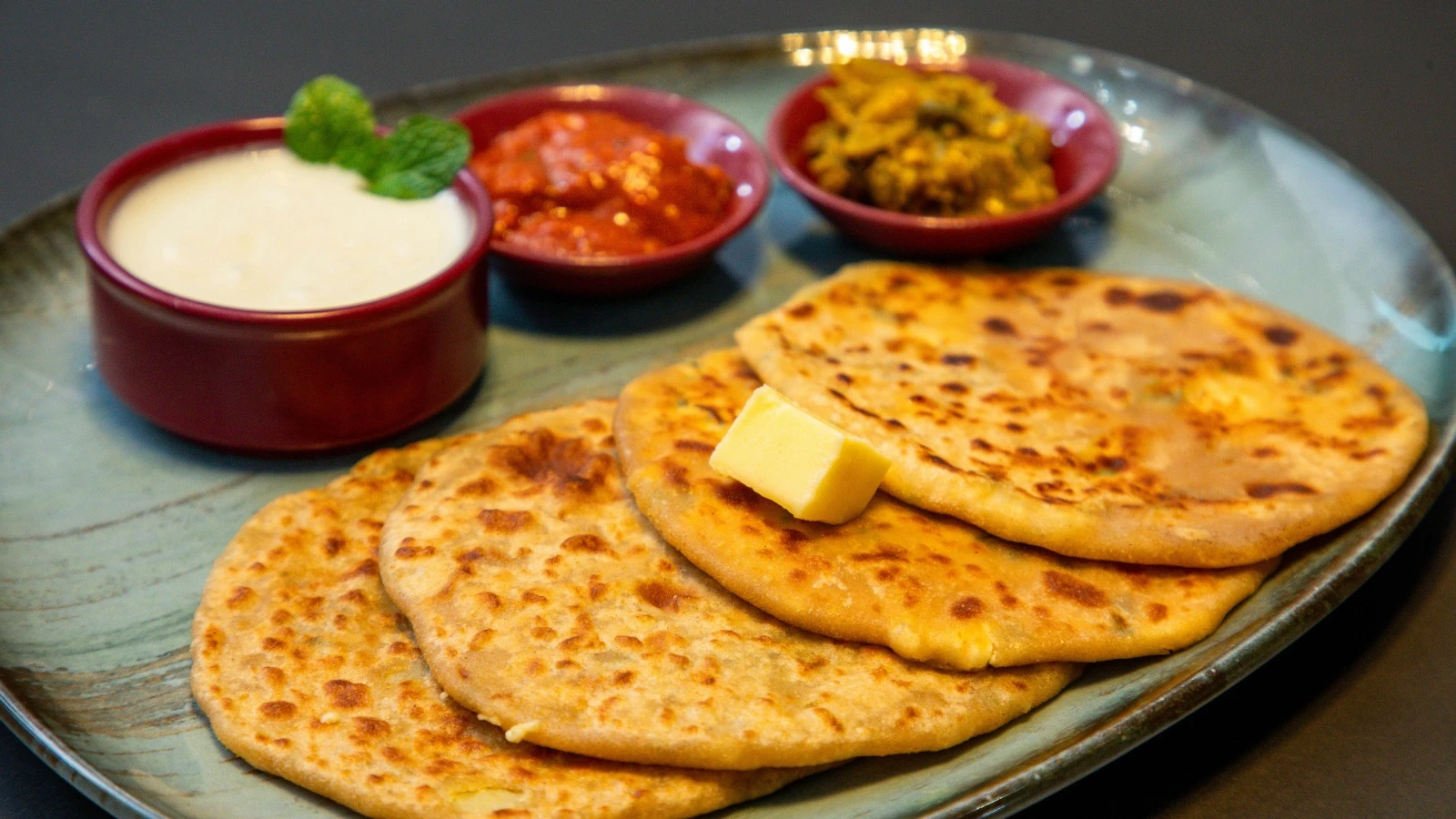
A paratha is essentially a layered flatbread that's become synonymous with hearty Indian meals. Unlike its simpler cousin, the roti, parathas are typically made with wheat flour, water, salt, and a generous amount of oil or ghee that gets folded into the dough to create those signature flaky layers. The magic happens during the cooking process. Traditional parathas are rolled out, brushed with oil or ghee, folded, rolled again, and then cooked on a hot griddle until golden and crispy. This technique creates multiple layers that puff up beautifully when heated, giving parathas their characteristic texture and rich flavor.
From Punjab's thick, ghee-laden parathas to Kerala's delicate parottas, regional preferences shape both preparation methods and caloric content. North Indian versions tend to be heartier and oil-rich, while some southern variations might use coconut oil or different flour blends.
The basic paratha ingredients are deceptively simple—wheat flour forms the base, while oil or ghee provides the fat content that significantly impacts calories. Salt enhances flavor, and water binds everything together. However, it's the ratio and quality of these ingredients that determine the final nutritional profile.
Here's where things get interesting. A single plain paratha typically contains 150-200 calories, but this number can vary dramatically based on size, cooking method, and ingredients used. Understanding these variations helps you make better choices for your daily nutrition goals. The size factor plays a huge role in calorie count. A small paratha (about 6 inches in diameter) usually contains 120-150 calories, while larger restaurant-style parathas can pack 200-250 calories or more. Most homemade parathas fall somewhere in the middle range.
How you cook your paratha dramatically affects its caloric content:
• Dry roasted (no oil): 150-180 calories
• With 1 teaspoon oil: 195-225 calories
• With 1 teaspoon ghee: 200-230 calories
• Deep-fried style: 250-300 calories
Each teaspoon of added fat contributes approximately 40-45 calories, which explains why restaurant parathas often contain significantly more calories than homemade versions.
For precise tracking, parathas contain approximately 325 calories per 100 grams. A typical medium paratha weighs around 50-60 grams, which aligns with our 150-200 calorie estimate. This measurement becomes particularly useful when comparing different brands or preparation styles.
Stuffed parathas tell a completely different caloric story. The fillings add both flavor and substantial calories, making variety selection crucial for those monitoring their intake. Here's how popular paratha types stack up nutritionally. Plain wheat parathas serve as our baseline at 150-200 calories, but once you start adding fillings, the numbers climb quickly. The type and amount of stuffing, plus any additional oil used during cooking, can nearly double the caloric content.
• Aloo (potato) paratha: 250-350 calories
• Gobi (cauliflower) paratha: 180-220 calories
• Methi (fenugreek) paratha: 180-220 calories
• Paneer paratha: 200-280 calories
• Maida parotta: 220-250 calories
• Mixed vegetable paratha: 200-250 calories
Aloo parathas top the calorie charts because potatoes are naturally starchy and often mashed with additional oil or butter. Gobi and methi parathas remain relatively moderate since these vegetables have lower caloric density and high water content.
Restaurant portions typically exceed homemade sizes by 30-50%. A restaurant aloo paratha might contain 400+ calories, while your home version could stay around 250-300 calories for the same variety.
Calories tell only part of the nutritional story. Understanding the complete macronutrient breakdown helps you see how parathas fit into your overall dietary pattern and daily nutritional needs. A typical medium paratha provides a balanced mix of macronutrients, though the ratios favor carbohydrates and fats over protein. This composition makes parathas excellent energy sources but less ideal as standalone protein sources.
For a standard 180-calorie paratha:
• Carbohydrates: 15-20g (providing 60-80 calories)
• Protein: 2.5-3g (contributing 10-12 calories)
• Fat: 10-15g (accounting for 90-135 calories)
• Fibre: 1-2g (depending on flour type)
The high fat content explains why parathas feel so satisfying—fats provide sustained energy and help with nutrient absorption. However, this also means parathas are calorie-dense foods that require mindful portion control.
Whole wheat parathas offer B vitamins, particularly thiamine and niacin, plus iron and small amounts of calcium. The nutritional value increases significantly with vegetable-stuffed varieties, which add vitamins A, C, and K, along with various minerals and antioxidants.
Parathas have a moderate to high glycemic index, typically ranging from 55-70 depending on flour type and cooking method. This means they can cause relatively quick blood sugar spikes, making portion control and pairing with protein or fibre important for sustained energy.
Creating healthier parathas doesn't mean sacrificing flavor or satisfaction. Smart ingredient swaps and cooking techniques can significantly reduce calories while maintaining that beloved taste and texture we all crave. The key lies in maximizing nutrition while minimizing unnecessary calories. This means choosing whole grain flours, incorporating vegetables for added fibre and nutrients, and using cooking methods that require minimal added fats.
Several strategies can help reduce paratha calories without compromising taste:
• Use cooking spray instead of oil: Saves 30-40 calories per paratha
• Choose whole wheat flour: Adds fibre and nutrients
• Incorporate vegetable purees: Reduces flour needs while adding nutrition
• Try dry roasting: Eliminates added fat calories entirely
• Use non-stick cookware: Requires less oil for cooking
Spinach Paratha (170 calories) Blend fresh spinach into the dough for natural color and nutrients. The vegetable content reduces flour requirements while adding iron and vitamins.
Mixed Vegetable Paratha (190 calories) Combine grated carrots, bell peppers, and onions for a nutrient-dense filling that adds volume without excessive calories.
Oats Paratha (160 calories) Substitute 25% of wheat flour with ground oats for added fibre and a slightly nutty flavor that keeps you satisfied longer.
A medium paratha cooked with one teaspoon of ghee contains approximately 200-230 calories. The ghee adds about 40-45 calories compared to a dry-roasted version.
Parathas contain roughly 325 calories per 100 grams. This measurement helps when comparing different brands or calculating portions for meal planning.
Assuming you take 10-12 bites to finish a medium paratha, each bite contains approximately 15-20 calories. This can help with mindful eating practices.
Generally yes. Homemade parathas typically contain 20-30% fewer calories because you control oil quantity, portion size, and ingredient quality. Restaurant versions often use more oil and larger portions.
For most adults, 1-2 parathas per day fits well within a balanced diet, depending on your total caloric needs and activity level. Consider pairing with protein and vegetables for complete nutrition.
Yes, but portion control is key. Stick to one medium paratha (150-200 calories) and pair it with high-protein foods and vegetables to create a balanced, satisfying meal that supports your weight goals.
Understanding paratha calories empowers you to enjoy this beloved food while maintaining your nutritional goals. Whether you're counting calories for weight management or simply want to make informed food choices, knowing that a typical paratha contains 150-200 calories gives you a solid foundation for meal planning. The beauty of parathas lies in their versatility. From simple whole wheat versions to nutrient-packed vegetable-stuffed varieties, you can adapt recipes to match your dietary needs without sacrificing taste. Remember, it's not about eliminating foods you love—it's about understanding them well enough to include them mindfully in your daily nutrition plan.

