










Dosa Calories: A Complete Nutrition Guide

Get personalised recommendations with our assessment.
Personalised Health Diagnosis (PHD)
Let's be real—dosa isn't just another South Indian dish. It's a fermented masterpiece that's been fueling bodies for centuries. But here's what most people don't know: the calorie content in your favorite crispy crepe varies wildly depending on how it's made, what's stuffed inside, and where you're eating it. Whether you're tracking macros for your fitness goals or simply curious about what you're putting into your body, understanding dosa calories is crucial for making informed food choices. We're about to break down everything from plain dosa nutrition to those indulgent cheese-loaded varieties that make your taste buds sing.
The answer isn't as straightforward as you'd think. A single dosa can range anywhere from 78 calories for a small plain version to over 400 calories for a restaurant-style cheese dosa. The variation comes down to size, ingredients, cooking method, and what's packed inside that golden-brown exterior.
A medium plain dosa weighing 40-50 grams typically contains 100-150 calories. If you're eating a smaller version (around 30 grams), you're looking at approximately 78 calories. Go big with a 50-gram dosa, and you'll consume about 130 calories. The macronutrient breakdown is fairly consistent: 65% carbohydrates, 12% protein, and 23% fat. This makes plain dosa a relatively balanced option that won't derail your daily calorie goals.
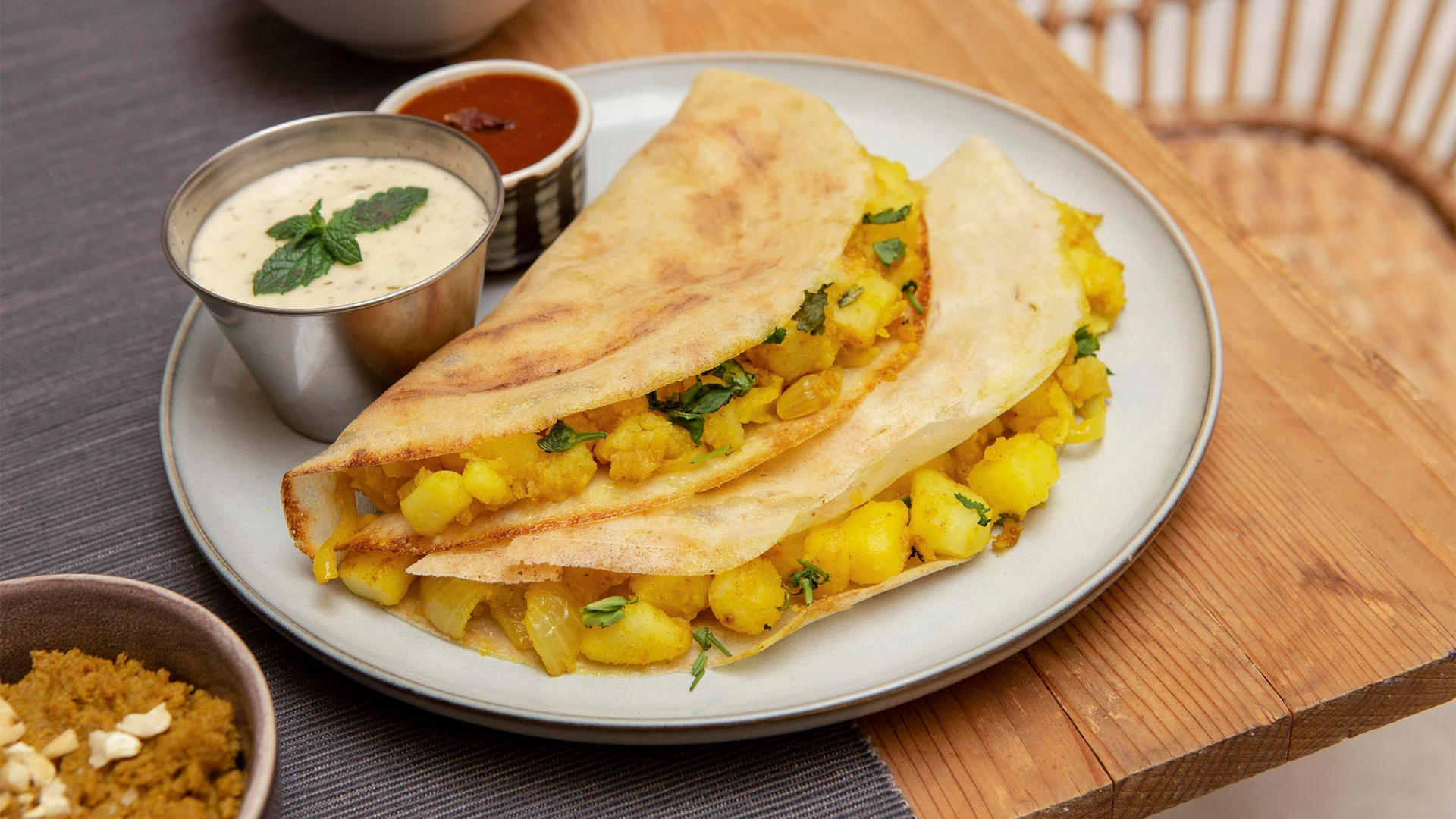
Masala dosa is where things get interesting—and calorie-dense. A standard masala dosa ranges from 168-250 calories, but restaurant versions can easily hit 200-300 calories. The potato filling adds significant carbohydrates and calories, while the extra oil used in commercial kitchens bumps up the fat content. The spiced potato mixture alone can contribute an additional 80-120 calories to your meal.
Rava dosa, made with semolina, is surprisingly lighter at 80-120 calories due to its thin, crispy texture. Onion dosa falls in the middle range at 200-230 calories, thanks to the caramelized onions adding natural sugars. Cheese dosa is the calorie heavyweight at 350-400 calories—the melted cheese contributes significant fat and protein. Set dosa, typically served as three small pieces, totals 240-300 calories for the entire serving.
Dosa isn't just about calories—it's a complex food with a unique nutritional profile that sets it apart from other breakfast options. The fermentation process creates a food that's easier to digest and more nutritionally available than its raw ingredients suggest.
A medium dosa provides 21-23 grams of carbohydrates, making it an excellent energy source for your morning. The protein content sits at 3-4 grams per serving, which isn't massive but contributes to your daily intake. Fat content varies significantly based on cooking method, ranging from 3-6 grams. You'll also get 2-3 grams of fibre, which aids digestion and helps maintain stable blood sugar levels.
The fermentation process that creates dosa is nutritional magic. It increases B-vitamin content, particularly folate and niacin, which support energy metabolism and brain function. You'll also get iron and calcium from the lentil component, plus the fermentation creates beneficial probiotics that support gut health. This makes dosa more than just a tasty breakfast—it's functional food that supports your body's systems.
Not all dosas are created equal. Several factors can dramatically alter the calorie content of what appears to be the same dish. Understanding these variables helps you make better choices whether you're cooking at home or ordering out.
This is the biggest calorie variable in dosa preparation. Restaurant dosas often use 2-3 tablespoons of oil or ghee, adding 50-100 extra calories compared to home-cooked versions. A non-stick pan at home might need just a teaspoon of oil, while traditional restaurant preparation can be much more liberal. The type of fat matters too—ghee adds more calories per gram than most cooking oils.
Regional preferences create significant size differences. South Indian restaurants often serve paper-thin dosas that can be 12-15 inches in diameter, while North Indian versions might be smaller but thicker. Thickness affects the batter-to-surface ratio, impacting both calories and texture. A thick dosa uses more batter but less oil per square inch, while a thin dosa might use less batter but more oil for the larger surface area.
Dosa rarely comes alone, and those sides add up quickly. Coconut chutney contributes 80-100 calories per serving due to its high fat content from coconut. Sambar adds 50-70 calories but brings valuable protein and fiber. Potato curry can add 120-150 calories, significantly increasing your meal's total caloric impact.
The short answer is yes, but like most foods, it depends on how you prepare and consume it. Dosa has several characteristics that can support weight management when eaten mindfully.
Dosa has a relatively low calorie density compared to many breakfast options. The fermentation process creates probiotics that support healthy gut bacteria, which research links to better weight management. The combination of carbohydrates and protein provides sustained energy without the blood sugar spikes you get from processed breakfast foods. The fibre content, while modest, helps with satiety and portion control.
To optimize dosa for weight loss, focus on preparation methods that minimize added fats. Use a non-stick pan with minimal oil, or try steaming the batter in idli molds for an oil-free option. Add vegetables to the batter for extra fibre and nutrients without significantly increasing calories. Consider using brown rice or adding millet to the traditional rice-lentil combination for more fibre and protein.
Compared to two slices of buttered toast (around 300 calories), a plain dosa is significantly lighter. It beats most breakfast cereals in terms of protein content and doesn't come with added sugars. Against oats, dosa provides more variety and flavor while delivering comparable nutrition. The fermentation gives dosa an edge over most processed breakfast foods in terms of digestibility and probiotic content.
Dosa sits firmly in the healthy food category when prepared traditionally. It's a whole food made from simple, recognizable ingredients that have been processed through natural fermentation rather than industrial methods.
The rice-lentil combination creates a complete protein profile when eaten together. Fermentation increases nutrient bioavailability and creates beneficial compounds that support digestive health. The process also reduces antinutrients found in raw grains and legumes. For people with gluten sensitivity, traditional dosa is naturally gluten-free, making it an excellent alternative to wheat-based breakfast options.
The main concern with dosa is the refined rice content, which can cause blood sugar spikes in some people. The sodium content can be significant, especially in restaurant versions. To maximize health benefits, balance dosa with protein-rich accompaniments and vegetables. Consider alternating between traditional and whole grain versions to increase fibre intake.
The dosa family extends far beyond the basic plain version. Each variety brings its own nutritional characteristics and calorie profile to the table.
Plain dosa remains the nutritional baseline with its balanced macronutrient profile. Rava dosa, made with semolina, offers a different texture and slightly higher protein content due to the wheat component. Set dosa, being smaller and thicker, provides more concentrated nutrition per piece but requires careful portion awareness since it's easy to eat multiple pieces.
Wheat dosa incorporates whole wheat flour, increasing fibre and protein content while adding B-vitamins. Oats dosa brings beta-glucan fibre, which supports heart health and stable blood sugar. Millet dosa varieties offer superior mineral content, particularly iron and magnesium, while being naturally gluten-free and easier to digest than wheat-based alternatives.
A medium plain dosa contains 100-150 calories, while masala dosa ranges from 200-300 calories depending on preparation method and size.
Yes, dosa can support weight loss when prepared with minimal oil and eaten as part of a balanced diet. Its fermentation provides probiotics and the combination of carbs and protein offers sustained energy.
Dosa is a healthy traditional food made from fermented rice and lentils, providing probiotics, complete proteins, and essential nutrients without artificial additives.
Dosa offers better nutrition than plain rice due to fermentation benefits, protein from lentils, probiotic content, and improved digestibility.
Oil can add 50-100 calories to a dosa depending on the amount used. Restaurant preparations typically use more oil than home cooking.
Rava dosa typically has the lowest calorie count at 80-120 calories due to its thin, crispy texture and minimal batter usage.
Dosa calories vary significantly based on preparation, size, and accompaniments, but it remains a nutritious breakfast option when consumed mindfully. The fermentation process creates unique health benefits that set it apart from processed alternatives. For optimal nutrition, focus on home preparation with minimal oil, pair with protein-rich sides, and consider whole grain variations.


Someone sent you
Error
Powered by ReferRush